
Last updated November 15, 2026
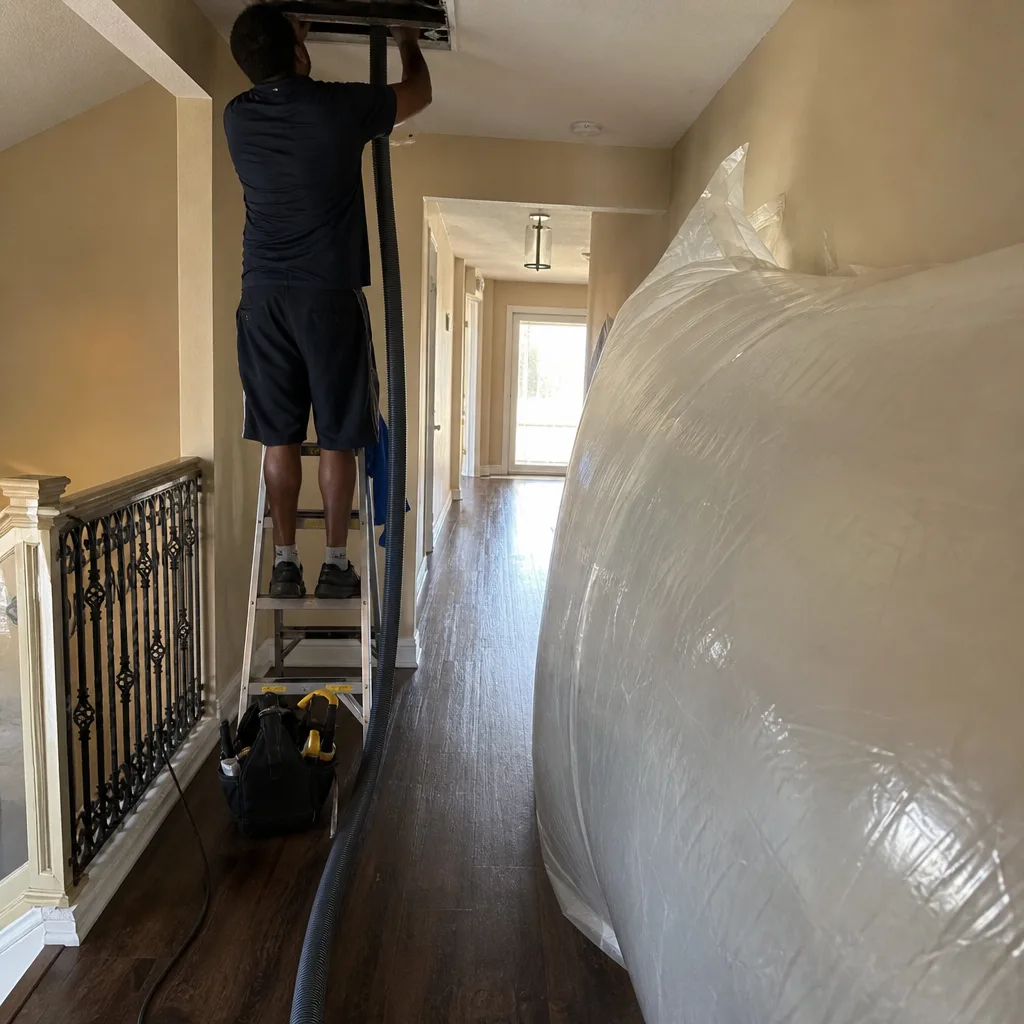
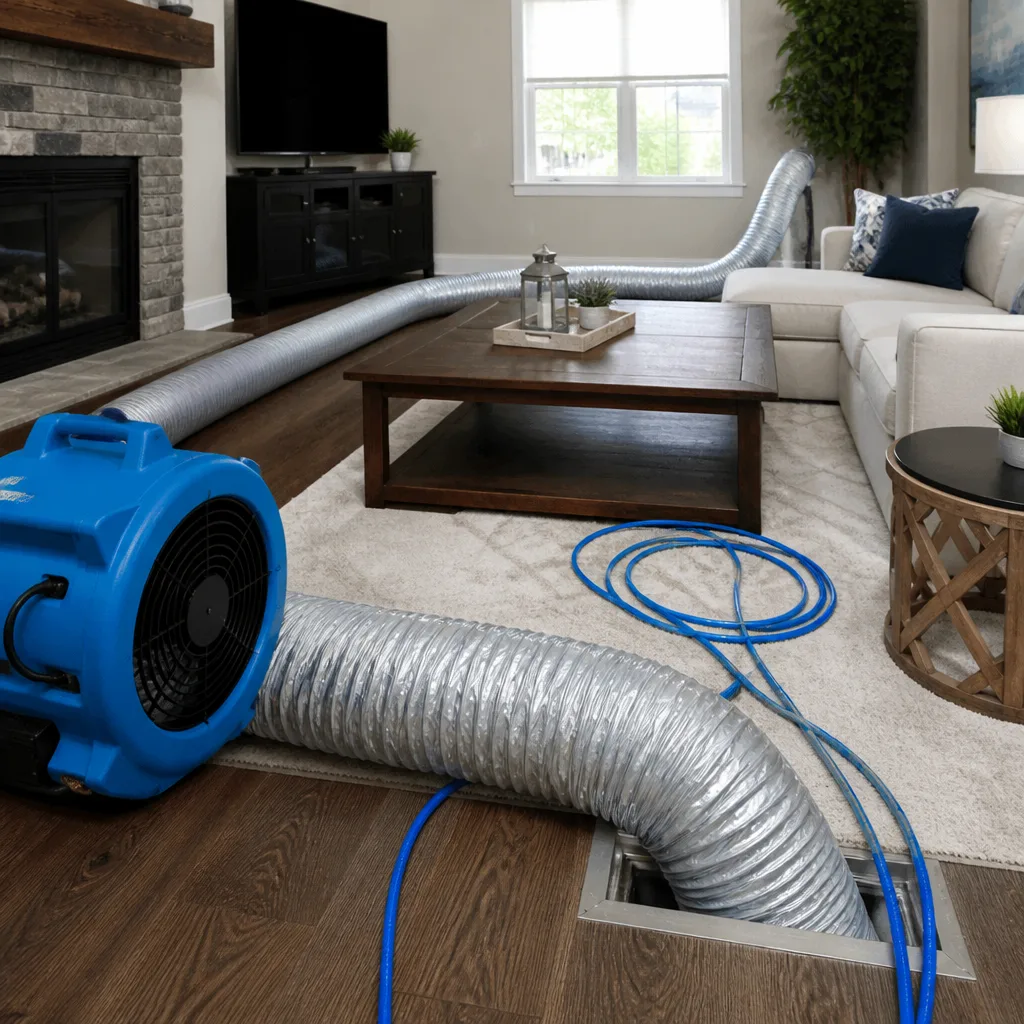 Whole-home duct cleaning
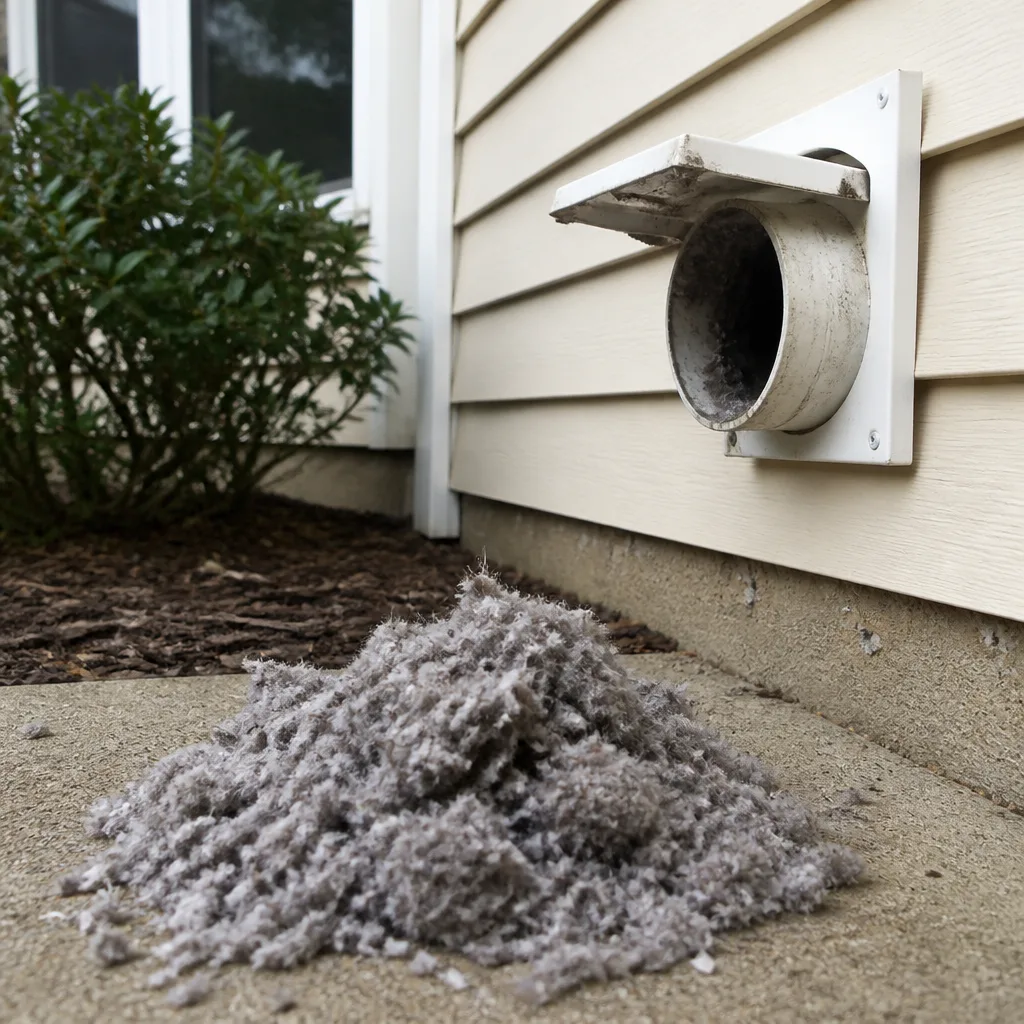 Dryer vent cleaning
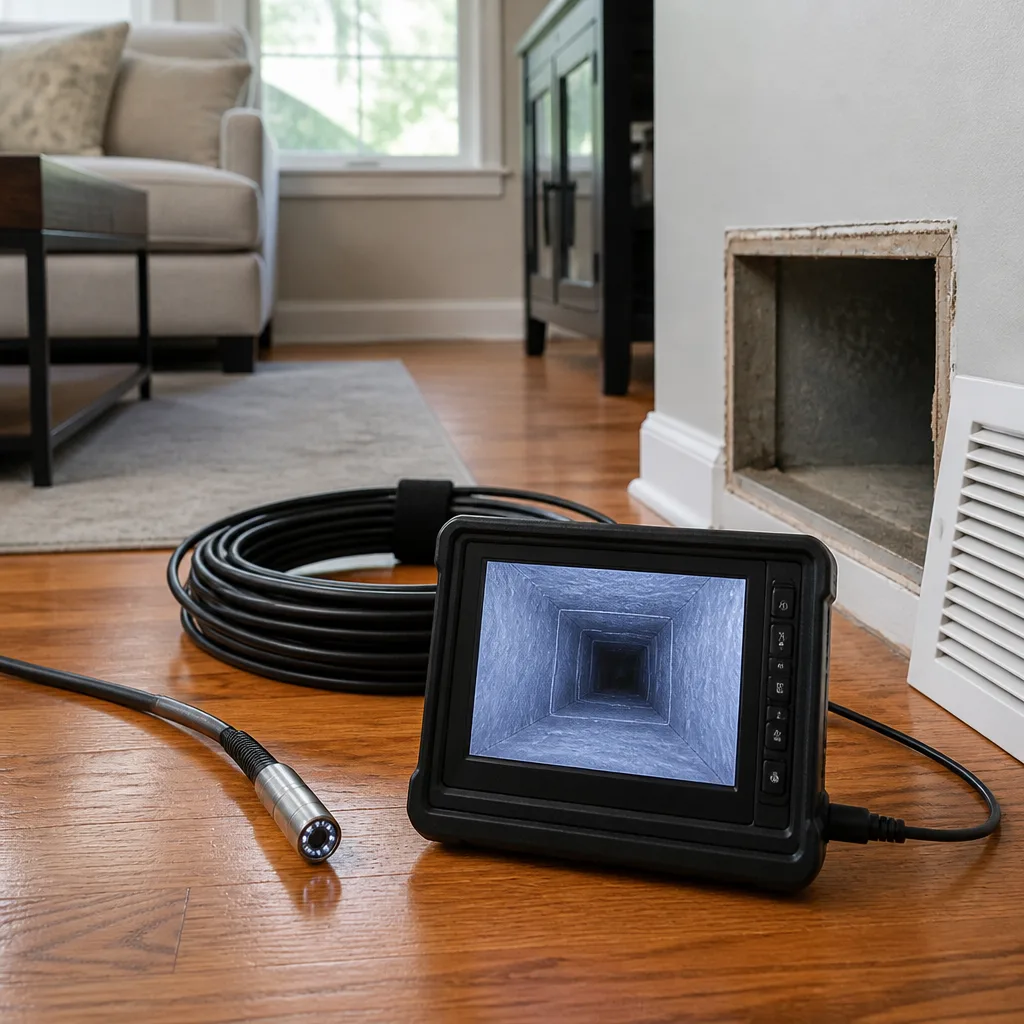 Camera inspection
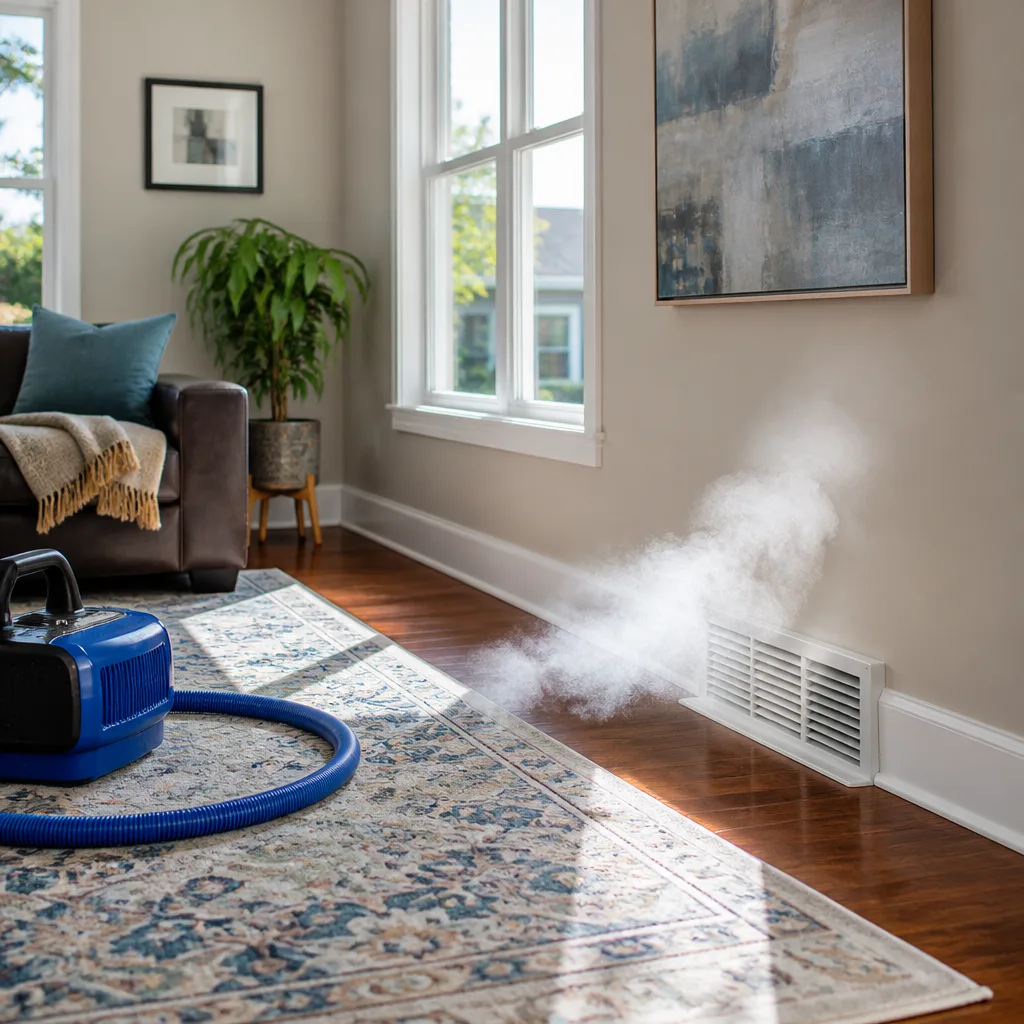 Sanitizing & deodorizing
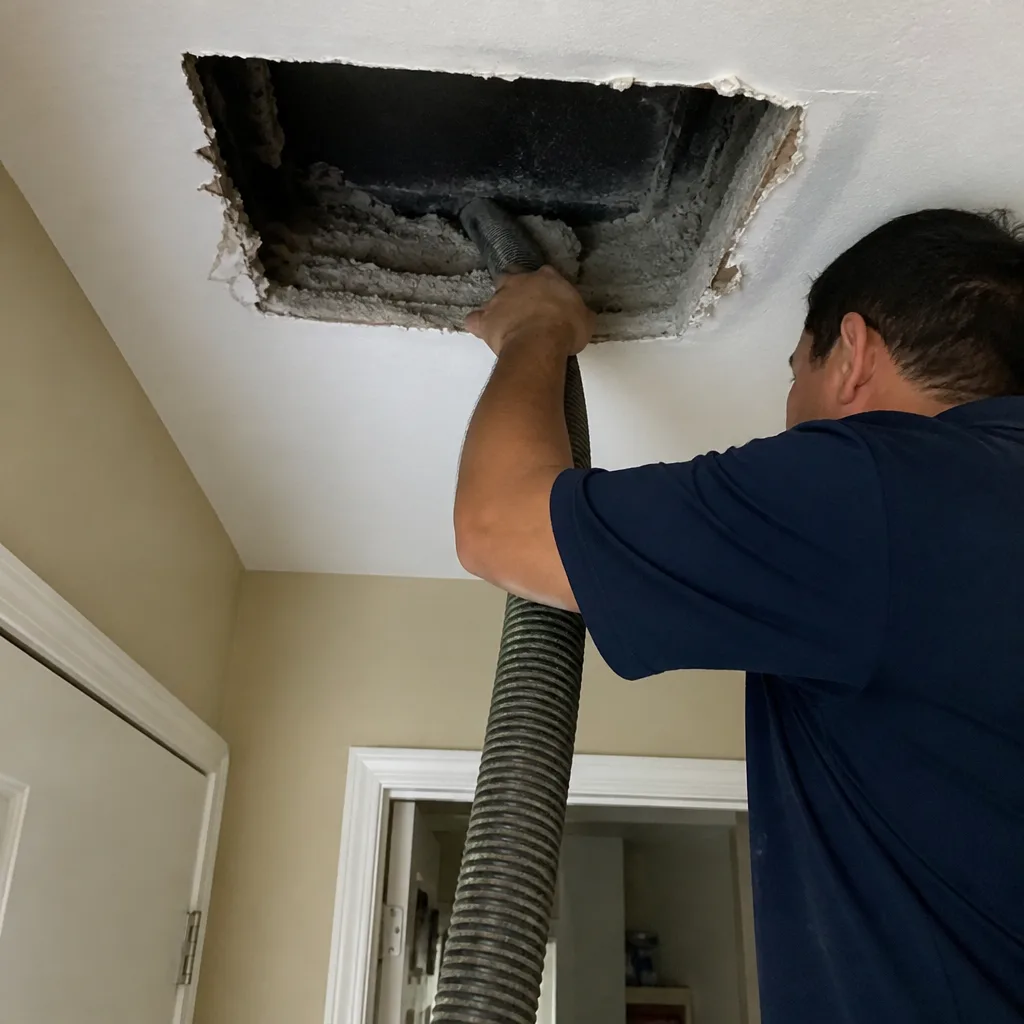
Whole-system duct and dryer vent check with before-and-after photos - you see exactly what came out of your vents
That "$99 whole-house special" is a bait ad - the real number appears once they are in your hallway, or the "clean" is a shop-vac at the register. We photograph the inside of your ducts before and after instead.
Seasonal Air Duct Cleaning Care for Boca Raton: Year-Round Homeowner’s Guide
Most homeowners in Boca Raton assume duct cleaning belongs on a twice-a-year calendar, like a dental checkup. It doesn’t work that way here. This city doesn’t run on four seasons. It runs on a dry stretch, a wet stretch, a hurricane window, and a heavy-occupancy snowbird stretch, and each one stresses an air system differently. Cleaning at the wrong time means debris sits through the worst of the humidity. Cleaning at the right time means the system is fresh heading into the months that actually test it. This guide walks you through those cycles, shows you what to watch and when, and gives you a 12-month care calendar built for a home in Boca Raton.
Quick Answer
The best time to clean air ducts in Boca Raton is the window between mid-October and early November: after peak humidity drops, before snowbird occupancy loads the system, and far enough from hurricane season that any duct repairs can be finished without storm-queue delays. A full duct cleaning once a year around that window, with a spring inspection after the first long AC run and a post-storm check whenever a weather event passes through, keeps a Boca Raton system running clean and identifies damage early.
Styles & brands we work with
- Whole-home duct cleaning
- Dryer vent cleaning
- Camera inspection
- Sanitizing & deodorizing
Table of Contents
- Why Duct Care in Boca Raton Doesn’t Follow the Standard Calendar
- Wet Season (June through September): Humidity, Dust, and What Grows Inside Ducts
- Hurricane Season Protocol: After the Storm, Check the Ducts
- Dry Season and the Snowbird Influx: High Occupancy, Accelerated Filter Loading
- Spring Transition: The First Long AC Run Is a Diagnostic
- Your 12-Month Care Calendar for a Boca Raton Home
- When Ducts Need Repair, Not Just Cleaning
- When to Call a Professional
- Frequently Asked Questions
Why Duct Care in Boca Raton Doesn’t Follow the Standard Calendar
Palm Beach County gets hot, humid air pushing through a home’s ductwork for far more of the year than most of the country. That single fact changes the maintenance math. An air duct system that runs consistently, pulling warm, damp outdoor air into a cool interior, sits in a near-constant state of condensation risk. Every degree of humidity that comes in contact with a cold duct surface is a chance for dust to clump instead of stay loose. Clumped dust sticks to duct walls and to the blower housing. Loose dust gets pulled through the filter. The two behave differently, and each requires a different approach.
Walk through a Boca Raton neighborhood in August and you’ll see what the wet season does to a house that’s been sealed up for weeks. Windows closed, AC running continuously, interior air recirculating. Whatever is in the ducts gets recirculated along with it.
Then in November, the pattern inverts. Afternoon highs drop into the low 80s and upper 70s, windows open, guests arrive, and occupancy in a lot of Boca Raton homes doubles for months. The same duct system that ran at partial load through the wet season gets hammered to its limits during the highest-occupancy stretch of the year.
Factor in the hurricane window, and you have a maintenance calendar with three real pressure points, not two. Treating it as a simple “clean once a year” checklist usually means cleaning at the wrong moment and missing the diagnostic opportunities the seasons actually offer.
If you’re new to duct care and want the fundamentals, start with our guide to air duct cleaning before you build a maintenance plan. Once the basics are clear, the seasonal piece falls into place.
Wet Season (June through September): Humidity, Dust, and What Grows Inside Ducts
Elevated humidity inside ductwork makes dust stickier, and stickier dust is harder to remove later. The wet season doesn’t cause dust; it changes the physical behavior of dust. That matters for timing, because cleaning habits that work in a dry climate (dump the debris, done) don’t fully solve it here. What happens in a Boca Raton home during June through September is a slow accumulation problem: fine particles pulled in from carpet, drywall dust from a recent renovation, lint, pet dander. Without movement, those particles settle. With the seasonal humidity, they bond.
Once bonded dust accumulates on the interior of the supply trunk and the register boots, you start to see a few common signs:
- A faint musty odor when the AC first kicks on in the morning, usually fading within a few minutes
- Visible dark streaking around supply registers, most noticeable on white or light-colored grilles
- Dust settling on horizontal surfaces faster than it did in April or May
- Allergy or sinus symptoms that seem worse indoors than out
- Filter media darkening faster than the calendar would suggest
Any of those signs on their own isn’t a red flag. Two or three together in the same home during the wet season usually means the ducts are holding more than they should. That’s the point in the year when a thorough cleaning pays for itself in air quality, not in efficiency alone.
One more piece of the wet-season picture is moisture itself. Duct interiors that stay damp for weeks at a time are the wrong environment for a home’s air quality. If you ever smell a damp, earthy, or “wet basement” odor coming from a register, that’s moisture, not dust, and it should be checked before it spreads. We use professional-grade equipment, including Rotobrush and Nikro systems, that agitates and extracts debris rather than relying on suction alone, because in a humid climate the stuck dust is the debris that matters most.
What to Check During the Wet Season
A quick monthly check is all most homes need. Look at the filter. Smell the air at a return grille. Glance at the register grilles for streaking. Note whether dust is settling faster than last month. If two or three of those answers come back “worse than last month,” schedule a cleaning before the wet season ends rather than pushing it into the fall. Debris that sits through October collects even more moisture, and that’s harder to remove.
Hurricane Season Protocol: After the Storm, Check the Ducts
When a storm event passes through, ductwork is one of the last things on a homeowner’s mind, and one of the first things that should get inspected. Attic runs and rooftop-adjacent duct sections are the most exposed part of a home’s air system, and storm effects don’t always look dramatic. A few of the scenarios worth knowing about, in rough order of urgency:
- Debris in the attic space. Wind-driven material, insulation fragments, or fine grit that works its way into an attic can collect on and around duct runs. If duct joints were already loose, that material can end up inside the system when the air handler runs.
- Flexible duct compressed or dropped. A section of flex duct that loses a support strap sags, kinks, and restricts airflow. This is one of the more common post-storm findings in Boca Raton homes and it can reduce system performance immediately.
- Disconnected or separated joints. Storm movement, pressure changes, or a return to service after an outage can disturb a joint that was already marginal. A disconnected supply or return means conditioned air is going somewhere it shouldn’t.
- Moisture intrusion inside duct runs. Any water that gets into an attic and sits on top of or inside ductwork is the kind of problem that should be addressed before the system runs again. Duct interior moisture is a legitimate concern for indoor air quality.
- Odor in the first run after the storm. If the first AC run after a storm produces an odor that wasn’t there before, that’s a reason to have the system inspected before you keep running it.
What we’ve seen working with Boca Raton homeowners is that a post-storm inspection is quick, and repairs are far cheaper than the alternatives. Duct repair is often the whole job after a storm; a cleaning alone may not solve a disconnected joint or a collapsed flex run.
If you’re not sure whether the ducts need cleaning or repair after a weather event, the right answer is usually “have it looked at first.” Repair and cleaning are two different services, and Ashton Air Duct Cleaning offers both, which means one visit and one set of findings rather than a cleaning visit followed by a repair visit by someone else.
Dry Season and the Snowbird Influx: High Occupancy, Accelerated Filter Loading
The dry season in Boca Raton (roughly November through April) looks like a relief after the wet months. In one specific way, it’s harder on the air system. Occupancy climbs. Showers run more often. Laundry runs more often. Cooking runs more often. Furniture and bedding get moved in and out. The filter loads faster than it did in October, sometimes noticeably.
Add windows-open weather to the mix, and you have two separate dust loads fighting the same filter. Outdoor air comes in through open windows, carrying whatever is in the air that week. Indoor air circulates through the return and gets pulled through the filter. In a household that’s gone from two occupants to five or six for the season, filter loading accelerates to the point where a “check it every three months” rule may not hold.
What to Adjust During Dry Season
- Check the filter every thirty days during the highest-occupancy stretch. Once a month is not excessive in a home that’s hosting guests for weeks at a time.
- Switch to a filter with a higher capture rating only if the system’s blower is sized for it. Overly restrictive filters are a real performance problem. Ask a technician if you’re unsure.
- Look at the return grille monthly. Visible dust on the return grille is a fast indicator that the system is pulling more particulate than usual.
- Listen to airflow. Increased occupancy and window use mean the system runs differently. If registers feel weaker in January than they did in October, that’s information worth acting on.
Homes equipped with Aprilaire or Honeywell filtration equipment deserve a specific note: those filters are often higher-capacity and longer-lived than standard media, but they still load faster under heavy occupancy. Don’t let the longer rated life replace the monthly visual check.
The dry season is also the best window for the main cleaning of the year. Moderate humidity, closed windows on most days, no storm queue on scheduling. That’s the window to aim for.
Spring Transition: The First Long AC Run Is a Diagnostic
There’s a specific moment in early spring in Boca Raton when the AC runs for the first long stretch of the year after months of lighter load. That first extended run is the single best time to notice problems you couldn’t have noticed in March. Treat it as a diagnostic opportunity and you’ll catch airflow and odor issues early, while repairs are simple and duct cleaning is optional rather than mandatory.
Watch for these signals in the first week or so of sustained AC use:
- New odor on startup. A musty, sweet, or chemical smell that wasn’t present during winter is the most common spring signal. Odor from an air handler or supply register often points to a moisture or microbial issue inside the ducts or the coil enclosure, and it earns a professional look.
- Airflow changes at the registers. If some rooms feel noticeably weaker than last year, that’s a downstream pressure or duct integrity problem, not a filter problem. Restricted or disconnected duct runs produce this pattern.
- New noise. Whistling, fluttering, or rattling at a register can indicate a loose joint, a sagging flex duct, or debris inside the system.
- Cold-spot inconsistency. Rooms that used to cool evenly and now don’t might be pulling conditioned air into the attic through a leak. This is exactly the kind of issue that air duct repair addresses; cleaning alone doesn’t fix it.
- Visible debris on registers. A light dust film on the outside of a supply register in April is normal. Heavy, clumped material is not.
What we do in the spring inspection is what an HVAC tech typically does on a system checkup: listen, look, feel the airflow, and flag anything that stands out. The point is to make the seasonal transition a data-gathering event, not a guess.
Your 12-Month Care Calendar for a Boca Raton Home
A care calendar here has four real triggers, not “twice a year.” Follow the tasks below and you’ll find the ducts are either clean when they need to be or identified early when they don’t.
October through early November: The Main Cleaning Window
Book your annual duct cleaning for the second half of October or the first week of November. This is the sweet spot: humidity has dropped, the wet-season debris has finished accumulating, and the snowbird stretch hasn’t started. Schedule early; the whole region is trying to get work done in the same window, and quality providers fill up.
November: Filter and Register Check Under Load
Once occupancy climbs, check the filter every thirty days and look at the return grille weekly. During the first three weeks of high occupancy, you’ll learn more about your system’s filter appetite than in the preceding six months.
December through March: Monthly Visuals, No Maintenance
Monthly filter checks, monthly register checks. Unless you spot a specific problem, there’s no reason to schedule a service. This is the quiet stretch. Use it to address anything the spring diagnostic finds before warm weather returns.
April through May: Spring Diagnostic Run
On the first sustained AC run, run through the five-signal list above. Any new odor, airflow change, or noise earns a call. If nothing does, the ducts are likely fine going into the wet season.
June through September: Monthly Monitoring and One Clean if Needed
Monthly filter check, monthly register check, and one full duct cleaning if any of the wet-season signs (odor, streaking, faster dust settling) are present. Don’t automatically schedule a summer cleaning; only clean if the signs are there.
June through November: Post-Storm Inspection
After any storm event that disturbs the house, inspect the attic duct runs visually if you can do it safely from a doorway, and listen for changes in airflow. Have a professional check any ductwork that might have been disturbed. Attic access and duct repair work in Boca Raton homes is not a homeowner job; heat, electrical exposure, and the risk of falling through a ceiling are real.
Year-Round: Dryer Vent Cleaning as a Safety Service
Dryer vent cleaning is separate from air duct cleaning and, per most fire-safety guidance, earns an annual visit in a household that runs laundry consistently. Lint accumulation in a dryer vent is a documented fire risk. If you’re already booking the October cleaning, add the dryer vent cleaning to the same appointment so both get handled in one visit.
Quick Reference Table
- Mid-Oct to early Nov: Annual duct cleaning, dryer vent cleaning, full inspection
- Nov to Mar: Monthly filter and register checks under high occupancy
- Apr to May: First-run diagnostic, odor/airflow/noise check
- Jun to Sep: Monthly monitoring, targeted cleaning if signs appear
- Any post-storm: Attic duct access inspection, airflow check before running the system
When Ducts Need Repair, Not Just Cleaning
One of the most common misdiagnoses in duct work is booking a cleaning for a repair problem. If the issue is a disconnected joint, a sagging flex run, or a crushed trunk line, cleaning the inside of the ductwork doesn’t fix anything. What’s leaving the system through the leak stays leaving; what’s being crushed by a kink stays crushed. A cleaning is the right answer when the dust is the problem. A repair is the right answer when the duct’s structure is the problem.
Boca Raton homes tend to show duct repair issues in a few recurring patterns. Flexible duct sections can sag over the course of years in humid attic environments. Joints originally taped can lose adhesion over time. Return trunks in older homes often weren’t sized for the modern air handler they’re connected to. None of those are visible from a thermostat. All of them cause the same downstream symptom: uneven cooling, higher bills, or dust settling at a room-specific rate.
The reason repair matters as a separate capability is simple. Clearing a line that has a leak loses most of its value. Fixing the leak, then cleaning, solves the problem. Most duct cleaning companies only clean. We clean and repair, which means one visit, one diagnosis, and one accountable outcome.
If you already know you need repair work, or if any of the storm, spring, or dry-season signals point to a structural issue, call (888) 894-0255. Estimates are free. We answer 24/7. Fast dispatch from 7am to 7pm, Sunday through Friday.
See the difference
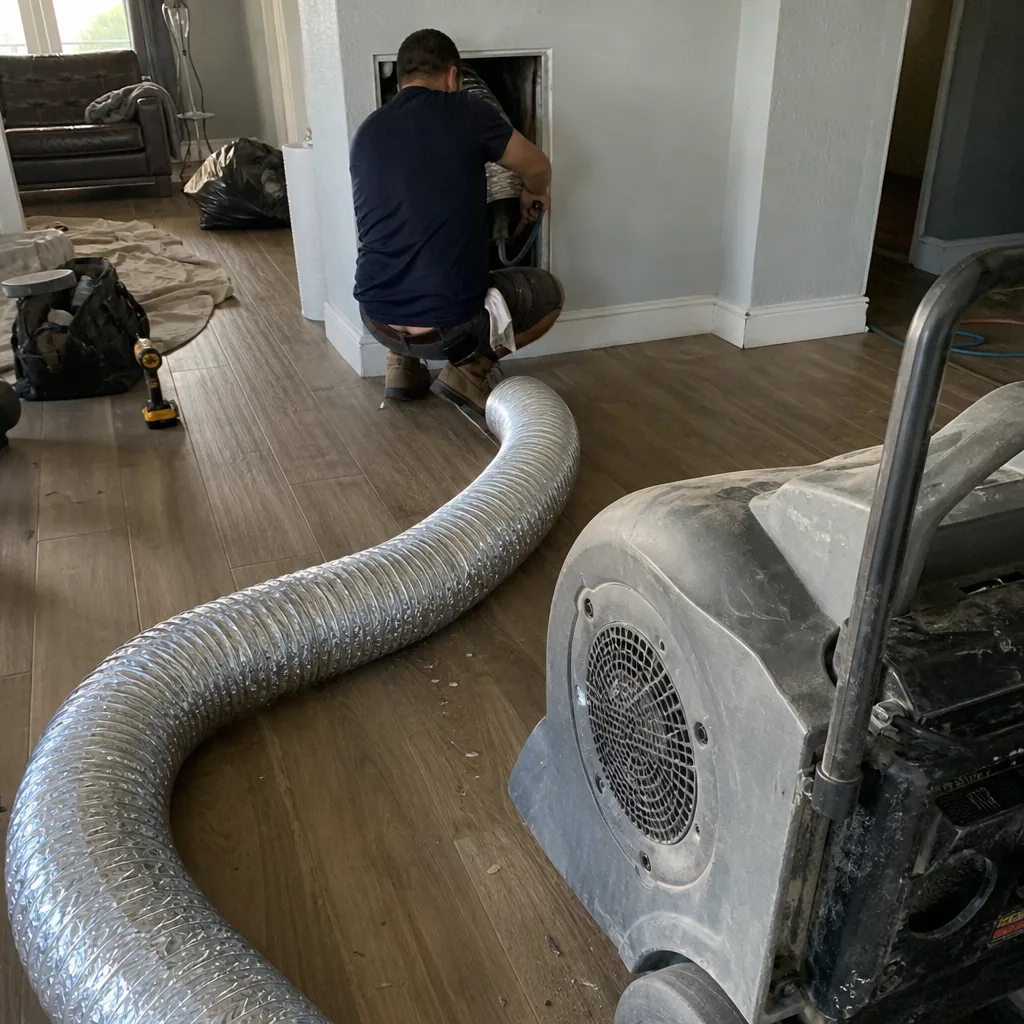 Before
 After
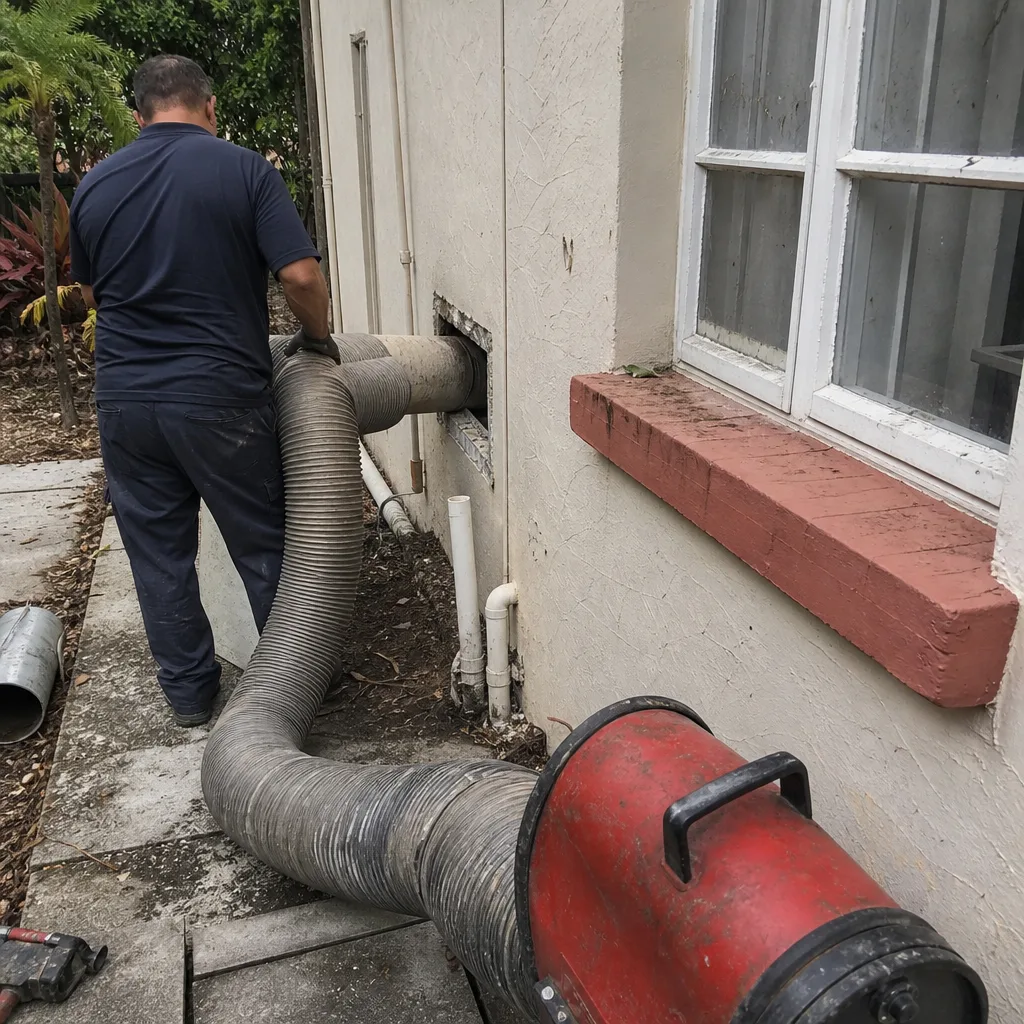 Before
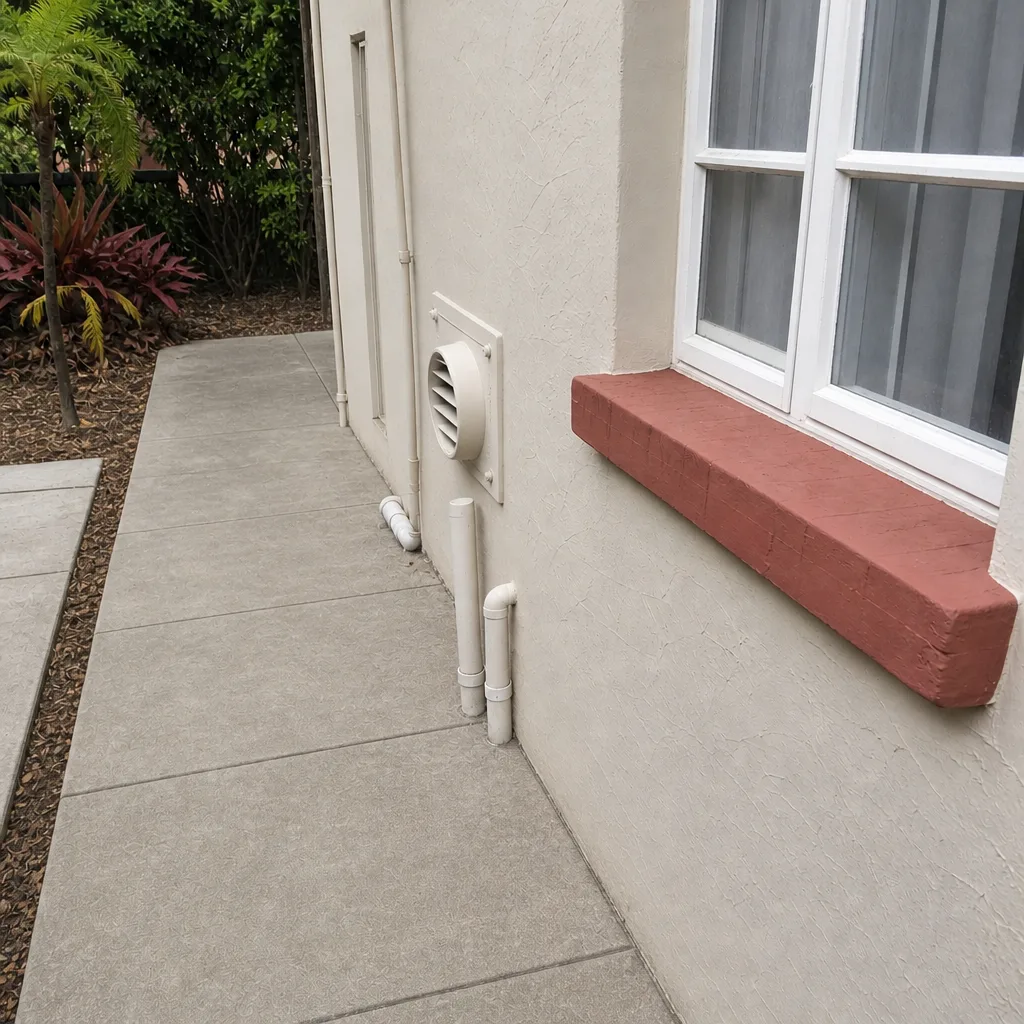 After
 Before
 After
Common Mistakes to Avoid
- Cleaning at the wrong time of year. A July cleaning leaves a whole wet season of debris accumulated before the fall window. The reasons for cleaning outweigh the reason for timing, but the fall window always pays more for the same money.
- Skipping the post-storm check. A storm that produces no visible damage to the roof can still displace a flex duct or dislodge a joint in the attic. If nobody looks, the duct runs at reduced efficiency for months.
- Replacing the filter more often to compensate for old duct debris. A new filter every thirty days helps, but it doesn’t remove dust that’s already bonded to the duct walls. Filter changes and cleaning solve different problems.
- Booking the cheap coupon. A low headline price that becomes a much larger invoice once the technician is on site is one of the most common complaints in this trade. Ask for one flat price per system, agreed before work starts, and before-and-after photos of your own ducts.
- Cleaning when repair is the real need. If the airflow problem is a disconnected joint, cleaning doesn’t fix it. Whichever service the diagnosis calls for is the one to book.
- Ignoring the dryer vent. Dryer vent cleaning is a separate, necessary safety service, not an upsell. It’s one of the leading causes of home fires, and it’s easy to forget for years at a time.
- Overlooking the brand-name equipment question. Professional systems (Rotobrush, Nikro) agitate debris; suction-only work leaves bonded dust behind. Systems monitored by Honeywell or Aprilaire controls and filters add separate value. Ask what equipment is being used.
When to Call a Professional
Call for a cleaning after the wet season if odor, register streaking, or faster dust settling point to accumulated debris. Call for a post-storm inspection any time ductwork may have been disturbed. Call for a repair evaluation if airflow has changed, a new noise has appeared, or cold spots suggest a leak. Call if there’s a moisture smell at a register, which is more urgent than dust. And call if you’ve bought a home in Boca Raton and don’t know the duct maintenance history.
Ashton Air Duct Cleaning offers free estimates in Boca Raton; call (888) 894-0255. Our technicians have up to 8 years of experience and use professional-grade equipment, including Rotobrush and Nikro systems, that agitates and extracts debris rather than relying on suction alone. We answer 24/7. Fast dispatch from 7am to 7pm, Sunday through Friday.
Frequently Asked Questions
Mid-October through early November is the best window. Humidity has dropped, snowbird occupancy hasn’t started, and any repair work can be completed before the wet season returns. If you miss that window, late April through May is the next best option, ahead of the summer humidity.
Once a year for most homes, timed to the October window. Homes with pets, recent renovations, allergy-sensitive occupants, or a high-occupancy snowbird season may need the wet-season check more often and a targeted cleaning if signs appear. The calendar matters more than the frequency. Call (888) 894-0255 for an estimate tailored to your home.
We don’t quote teaser prices or per-vent figures because they tend to balloon once the technician is on site. A professional whole-system cleaning is priced as one flat price per system, agreed before work starts, with before-and-after photos of your own ducts when the job is done. Call (888) 894-0255 for an exact estimate; estimates are free.
Low advertised prices are usually a starting point, not the final price. Once on site, add-ons and “necessary” extras turn a coupon price into a much larger invoice. Ask what the flat per-system price is before the technician arrives, and ask about before-and-after photos. If either answer is unclear, call someone else. Call (888) 894-0255 for a straight quote.
Before-and-after photos of your own ducts, taken at the return and at supply runs, are the clearest evidence. Ask specifically for them. Professional-grade systems like Rotobrush and Nikro are used to agitate and extract debris, and a provider should be willing to explain what equipment was used and why. Call (888) 894-0255 to book a visit with photos included.
Have the attic duct runs inspected before running the system if there’s any chance the ductwork was disturbed, and don’t run the system if a duct run’s exterior is visibly wet. Debris in an attic and compressed or disconnected flex runs are the two most common post-storm duct problems in Boca Raton homes. Duct repair is often the answer, not cleaning alone.
The Bottom Line
Boca Raton doesn’t have four seasons, it has cycles, and duct care works best when it follows them. Clean in the fall window. Monitor through the snowbird stretch. Use the first long AC run of spring as a diagnostic. Inspect after any storm. Keep dryer vent work on the same annual visit and don’t confuse cleaning with repair. That calendar does three things: keeps the ducts clean when it matters most, catches problems early, and prevents the cleaning-company confusion of a job that turns into something else while the technician is on site.
Call Ashton Air Duct Cleaning at (888) 894-0255 for a free estimate. We handle air duct cleaning, dryer vent cleaning, and air duct repair with professional-grade equipment, including Rotobrush and Nikro systems, and we service equipment from Honeywell, Aprilaire, Abatement Technologies, and Guardsman. We answer 24/7. Fast dispatch from 7am to 7pm, Sunday through Friday.
Written by the team at Ashton Air Duct Cleaning.