
Last updated November 15, 2026
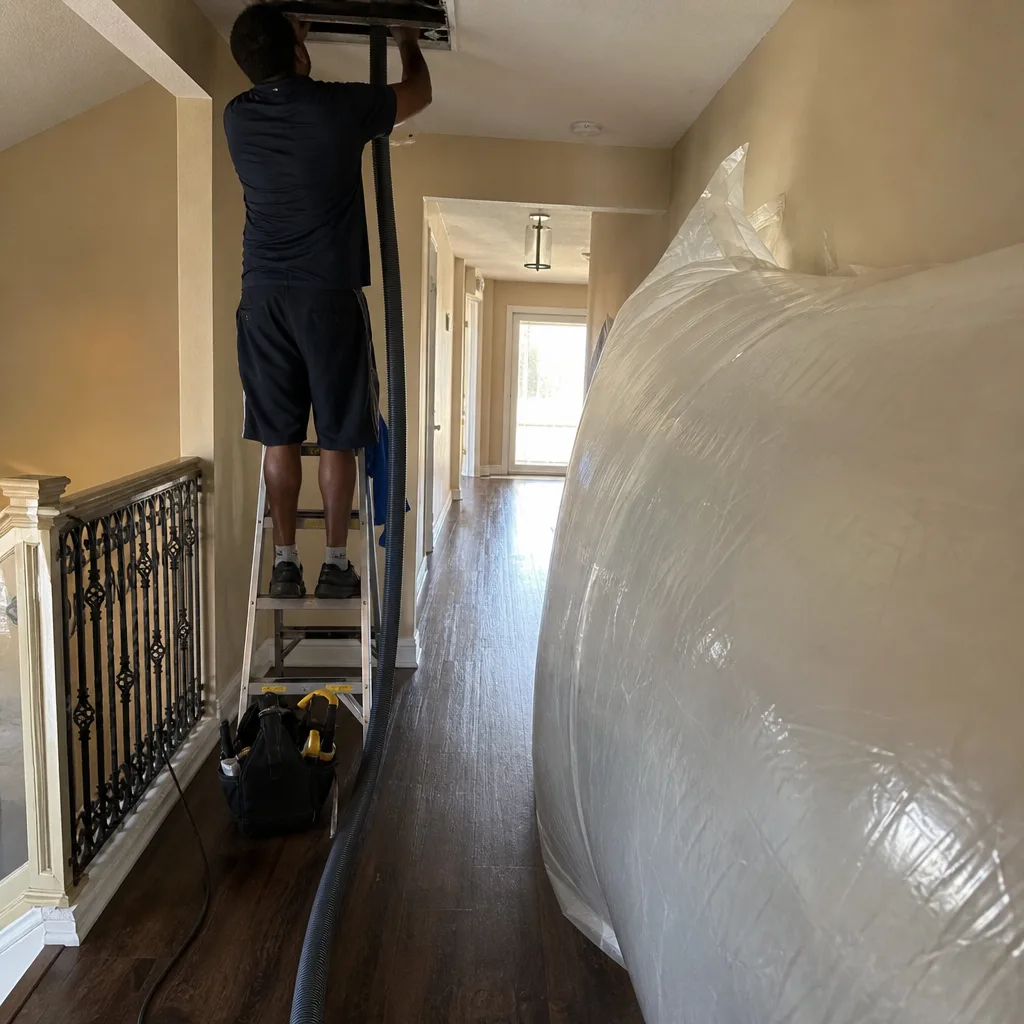
 Whole-home duct cleaning
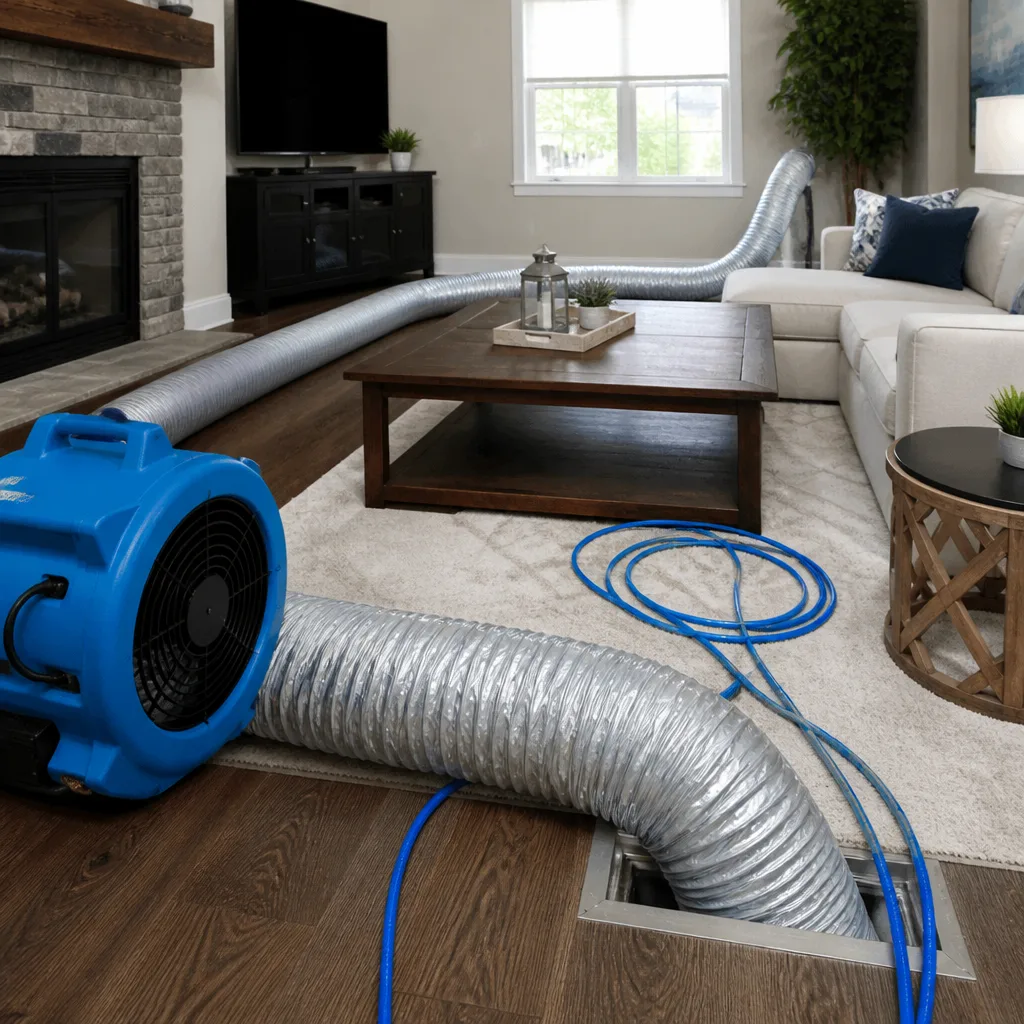
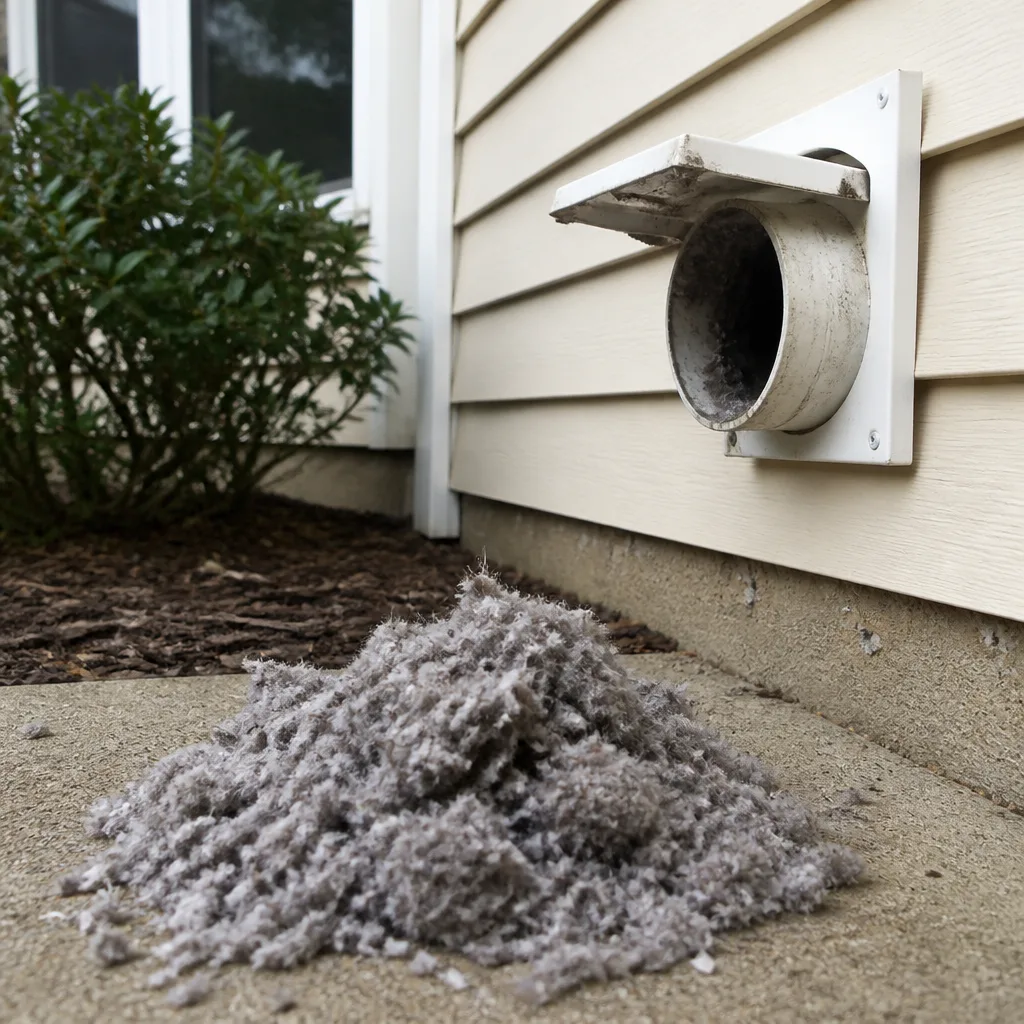 Dryer vent cleaning
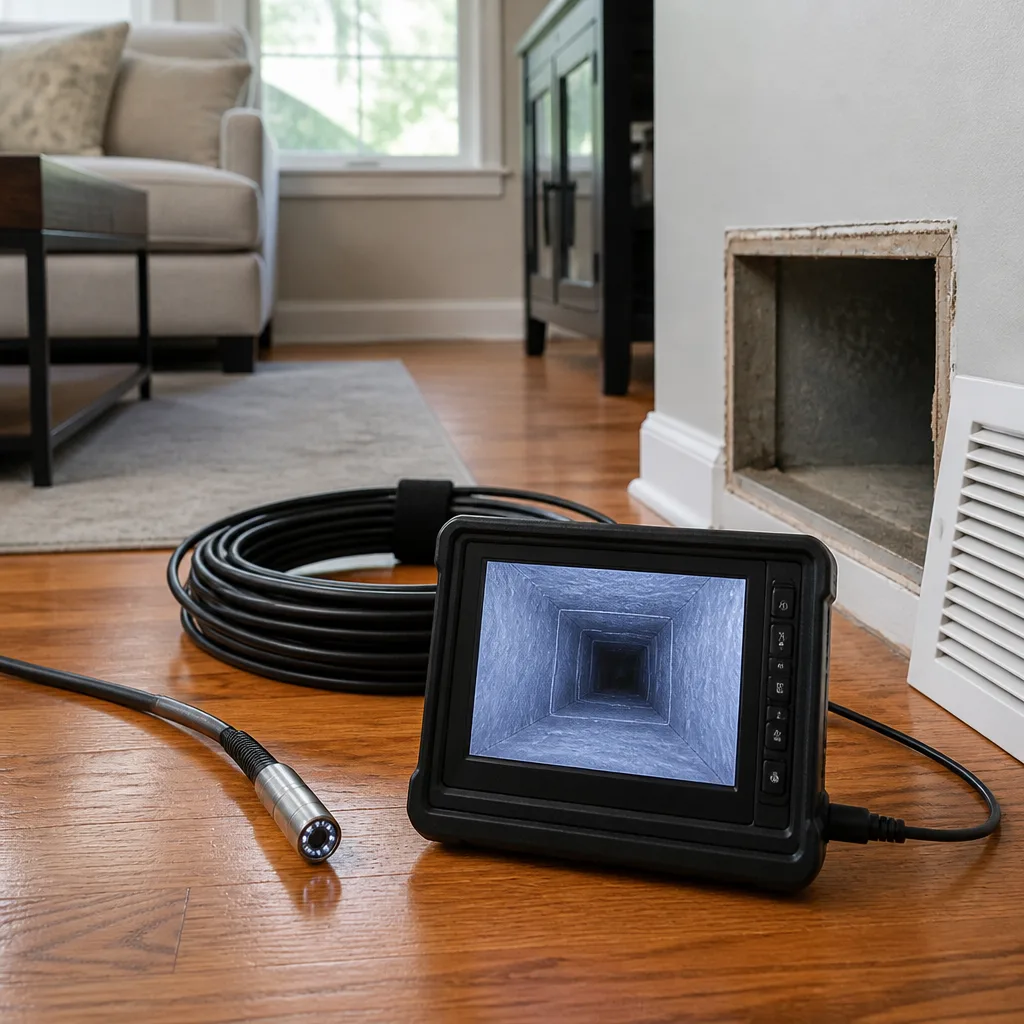 Camera inspection
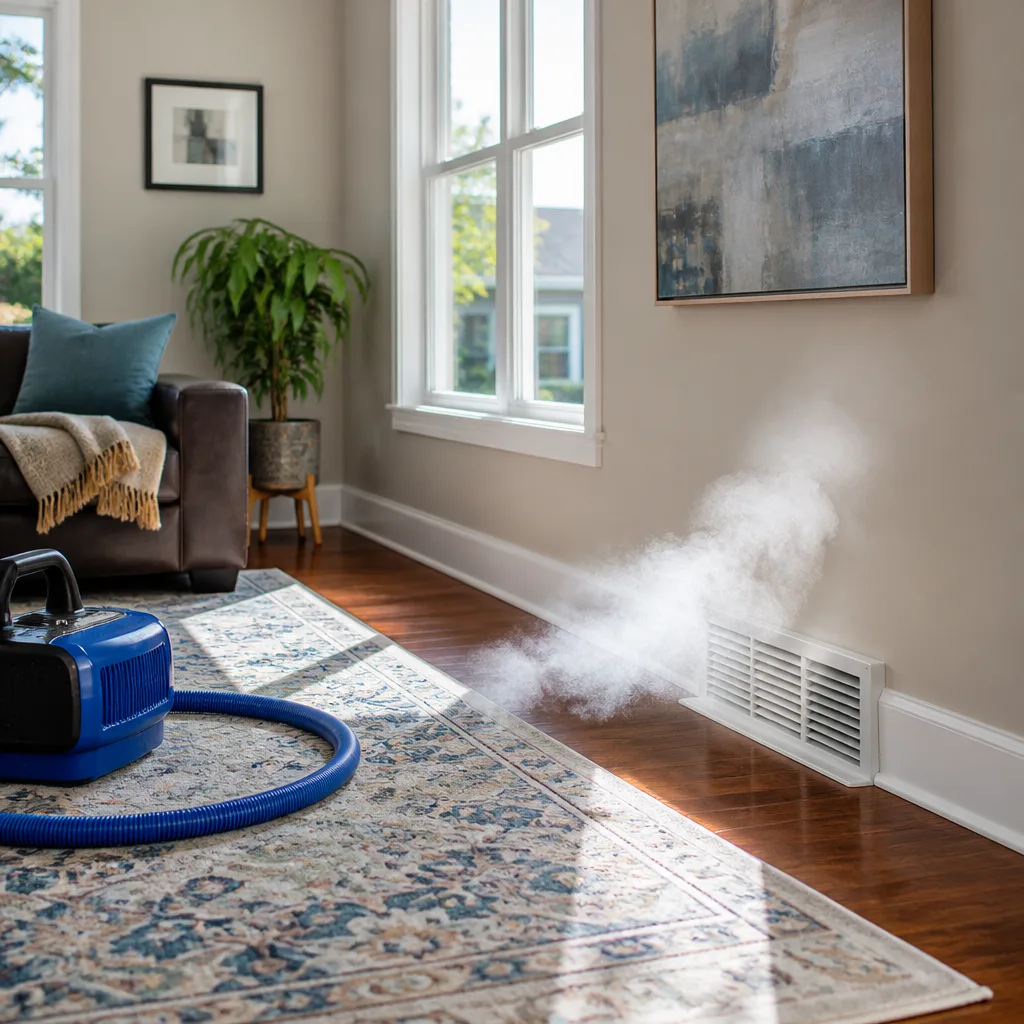 Sanitizing & deodorizing
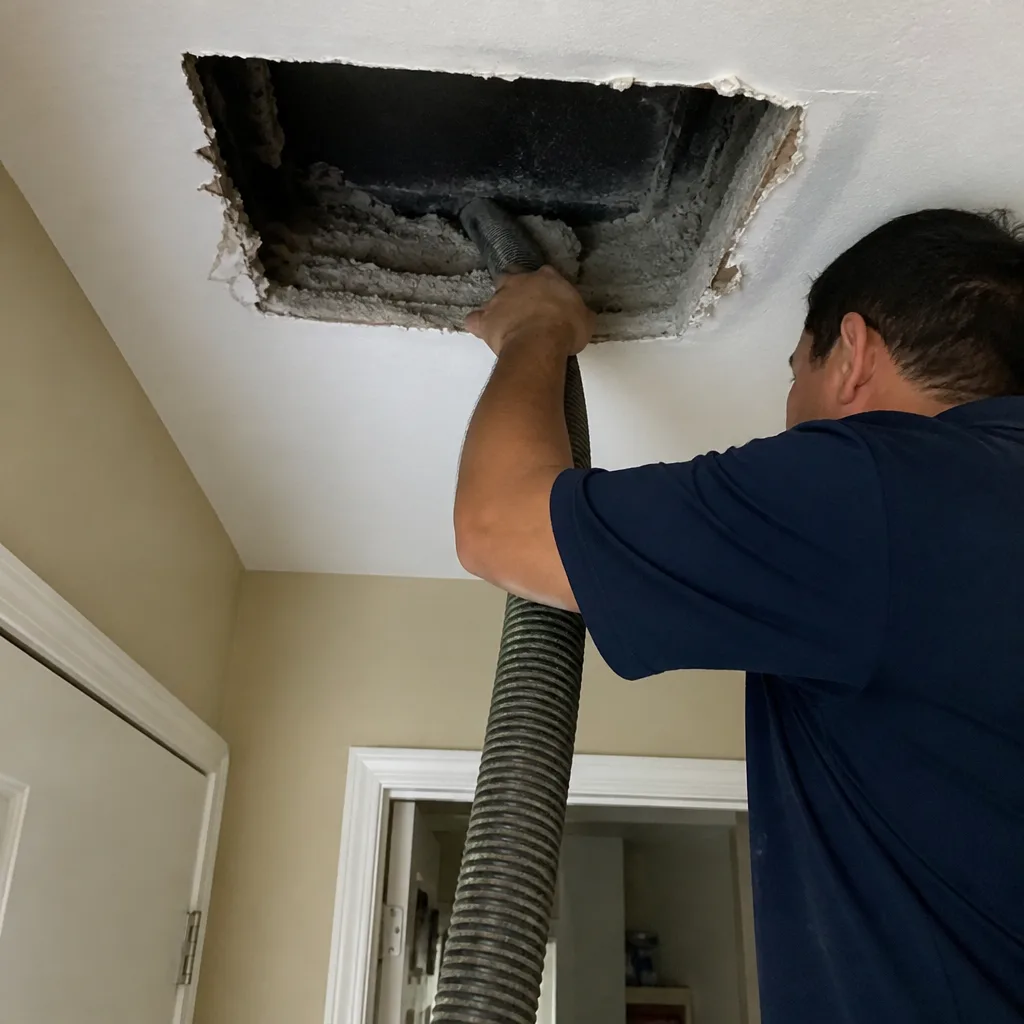
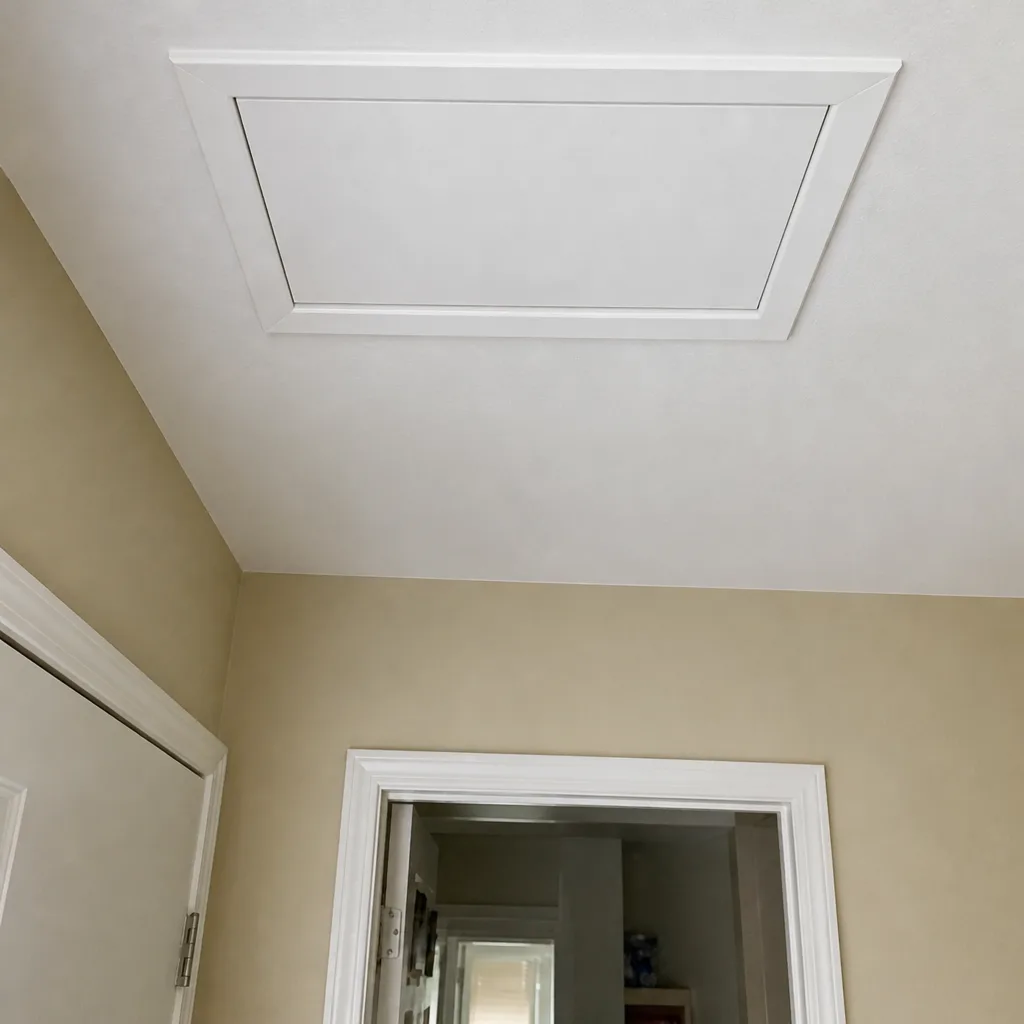
Whole-system duct and dryer vent check with before-and-after photos - you see exactly what came out of your vents
That "$99 whole-house special" is a bait ad - the real number appears once they are in your hallway, or the "clean" is a shop-vac at the register. We photograph the inside of your ducts before and after instead.
Air Duct Cleaning Maintenance Checklist for Boca Raton Homeowners
Most duct maintenance checklists tell you to change your filter every 90 days and call it done. That advice was written for a house in Denver, not a house in Boca Raton. Here, where the air stays thick and warm for most of the year, a clogged filter does more than cut airflow. It creates negative pressure inside the system, and that pressure pulls unconditioned attic air back through every gap and seam it can find, straight into the ducts that feed your bedrooms. This guide is built around what actually goes wrong in South Florida homes: humidity, pest intrusion, and insulation that quietly breaks down. You’ll learn a month-by-month routine, what to inspect yourself, and the point where a homeowner’s checklist should hand off to a professional.
Quick Answer
A sound air duct maintenance checklist for Boca Raton homes combines four things: filter changes tracked by MERV rating and household conditions rather than the calendar, monthly visual inspections at registers and the air handler, seasonal attention to humidity and storm season, and a documented log of what you find. Professional cleaning is usually worth scheduling every three to five years, sooner if you have pets, allergies, recent renovation dust, or visible debris at the vents. The checklist below turns that into a routine you can actually keep.
Styles & brands we work with
- Whole-home duct cleaning
- Dryer vent cleaning
- Camera inspection
- Sanitizing & deodorizing
Table of Contents
- Why Boca Raton’s Climate Changes the Maintenance Math
- The Month-by-Month Duct Checklist for Boca Raton
- Filter Replacement: MERV Rating and Household Conditions, Not the Calendar
- Visual Inspection Checkpoints You Can Do Yourself
- How to Log Findings So a Technician Can See Change, Not Just Current State
- When Routine Maintenance Crosses Into Professional Territory
- Dirty Ducts vs. Damaged Ducts: Why the Distinction Matters
- The Dryer Vent Belongs on This Checklist Too
Why Boca Raton’s Climate Changes the Maintenance Math
Ductwork in Boca Raton lives under different stress than ductwork in a dry climate. Relative humidity here averages above 70% for roughly half the year. That matters because ducts running through attics and garages are surrounded by air that is both hot and wet. When the system runs correctly, the ducts are under positive pressure and push conditioned air out. When the filter clogs or a return is blocked, the pressure flips, and the system starts sucking that attic air inward through every loose joint and unsealed boot.
That inward leak is the root of most duct problems we see in Boca Raton. It brings in insulation fibers, dust, and moisture. Moisture in a duct run is the beginning of a much bigger issue: condensation on the metal, then microbial growth on the duct lining, then the musty odor homeowners notice first in a hallway or a guest room that rarely gets used.
There’s a second local factor. Many Boca Raton homes are older construction where the duct insulation wrap has had years of attic heat working on it. That wrap cracks and peels, and once it does, the duct loses its thermal barrier. Cooled air passing through a bare duct in a hot attic picks up heat and moisture before it ever reaches a register.
- Humidity load: higher moisture in the surrounding air means any duct leak introduces water vapor, not just dust.
- Attic heat: insulation wrap ages faster when it sits in an unconditioned attic through long warm seasons.
- Pest pressure: warm, humid conditions favor insects and rodents, and duct penetrations are entry points.
- Storm season: heavy rain and wind can push moisture into attics and around exterior penetrations.
None of that means every Boca Raton home needs constant attention. It means the interval and the inspection points differ from what a national checklist tells you.
The Month-by-Month Duct Checklist for Boca Raton
A generic spring-and-fall framing doesn’t fit here. The pattern in Boca Raton is closer to a warm, wet stretch, a warm, wetter stretch, and a milder window in the middle of winter. Here is how we’d map the year.
- January and February (the mild window): This is the best month to inspect accessible duct connections in the attic or garage. Cooler attic temperatures mean safer and more comfortable access. Check for separated flex duct, torn insulation wrap, and any sign of pest activity around penetrations.
- March and April (transition): Replace the filter before the system starts running hard. Inspect every supply register for dust streaks or dark staining around the edges. Run a handheld vacuum over the register faces and grilles.
- May and June (the wet season begins): Look for condensation at the air handler and at any duct that passes through an unconditioned space. Check for musty odor in rooms farthest from the air handler, since those runs are the longest and leak-prone.
- July and August (peak load and storm season): Test airflow at each register by feel and compare rooms. Clean around outdoor condensing units and check that attic insulation isn’t blocking any return. Watch for water intrusion after major rain.
- September and October (hurricane season): Re-inspect attic duct runs after any significant storm. Look for shifted insulation batts, water staining on duct wrap, and displaced flex duct.
- November and December (cooldown and reset): Replace the filter, review the year’s log, and decide whether the findings add up to a professional cleaning or repair visit.
If that feels like a lot to track, it’s fair. The good news is that the monthly visual checks take a few minutes. The heavier items are quarterly or seasonal. What matters is that you’re inspecting against this schedule rather than the one printed on a filter wrapper.
Filter Replacement: MERV Rating and Household Conditions, Not the Calendar
The “every 90 days” rule is a starting point, not a schedule. Filter life depends on the MERV rating you choose and what your household puts into the air. A higher MERV rating catches more, but it also loads faster and creates more resistance, which is exactly the pressure problem described at the top of this page.
Here’s how to think about it:
- MERV 8: a sensible baseline for most Boca Raton homes. Catches the bulk of dust and pollen without choking airflow.
- MERV 11 to 13: useful if someone in the house has allergies or asthma, but plan on shorter filter intervals because these load faster in a system with any duct leakage.
- Pets: if you have a dog or cat, cut your interval to about 60 days and check the filter at 30 days for the first cycle so you learn your home’s actual loading rate.
- Renovation or moving dust: replace the filter at the start and end of any project, and consider a temporary shorter interval while drywall dust is in the air.
- Storm season: after a period of heavy rain and closed windows, check the filter for moisture or darkening.
A trick that works better than a calendar: write the install date on the filter edge with a marker. When you pull it, note the date and how dark it looks on a scale from one to five. After three or four changes, you’ll have your home’s real filter interval, not a national average.
One more local note. In Boca Raton, a filter that looks clean can still be wet. If you feel any dampness at the filter, the problem is not the filter. That points to condensation or a leak upstream, and it’s a repair issue, not a swapping issue.
Visual Inspection Checkpoints You Can Do Yourself
You don’t need tools to catch most early problems. You need to know where to look. Here are the checkpoints, in order, along with what a warning sign looks like.
At the Supply Registers
- Streaking or dark staining around the grille frame: air is escaping around the boot instead of through the register, and dust is being drawn along the edge.
- Visible debris, flakes, or fibers on the louvers: this usually means a failed duct liner or degraded insulation wrap upstream.
- Weak or uneven airflow: hold your hand at each register and compare. A room that’s noticeably weaker than the rest points to a disconnected run, a crushed flex duct, or a closed damper.
- Musty smell when the system kicks on: moisture in the duct, usually ahead of the register or near the air handler.
At the Air Handler
- Moisture or standing water in the drain pan: a blocked drain line is the most common culprit, and moisture sitting in the pan humidifies the ducts downstream.
- Dust buildup on the blower and cabinet: heavy dust here shows the filter is failing or bypassing.
- Loose or disconnected duct at the plenum: look for a run that’s slipped off its collar. This is a repair, not a cleaning issue, and it’s one of the most common things we find.
- Rust or water staining on the cabinet: moisture has been present for a while.
At Accessible Duct Connections
- Torn or peeled insulation wrap: the thermal barrier is compromised, and you’ll pay for it in energy and in condensation.
- Sagging flex duct: sags create low points where moisture and debris collect.
- Crushed or kinked runs: airflow through a crushed duct is badly reduced, and the pressure goes elsewhere in the system.
- Gaps at joints and unsealed penetrations: any hole is a place for attic air to enter.
- Pest evidence: droppings, nesting material, or gnaw marks near a duct penetration.
Snap a photo at each checkpoint every time you do the walk. Photos are the backbone of a useful log, which is the next section. Never crawl into a tight attic space or open the air handler cabinet itself if you’re not comfortable or trained. Observations from an open access panel and at the registers are enough for a homeowner.
How to Log Findings So a Technician Can See Change, Not Just Current State
Here’s the part almost every checklist skips, and it’s the one that makes the biggest difference when a technician arrives. What they see on the day of a visit is a snapshot. What they can’t see is how quickly things got that way. A log fills in the timeline.
You don’t need software. A notes app on your phone or a notebook kept near the filter is plenty. The point is consistency.
- Date each entry. Every filter change, every inspection, every photo taken.
- Record the filter MERV rating and the visual condition on a simple scale (light, moderate, heavy dust).
- Log the airflow comparison by room. A one-line note like “guest room weaker than last check” is gold.
- Note any odor and where you smell it. “Musty smell at hallway return” tells a technician which run to look at first.
- Save your photos in one place. A dated album makes side-by-side comparison easy.
- Track any HVAC work or home changes. A new roof, a renovation, a pest treatment, a new pet, a trip where the house sat closed up. Each one changes conditions.
When we walk a home, a log like this changes the conversation. We’re not guessing whether that staining at the register is new or four years old, and we’re not deciding between a cleaning and a repair based on a single day’s appearance. The history tells us which way the home is trending. Our technicians have up to 8 years of experience, and in that time the pattern has held: the homes with a written history get the right answer faster and pay for less guesswork.
When Routine Maintenance Crosses Into Professional Territory
A homeowner’s checklist is about spotting problems early. Professional work is about resolving them. The line between the two is drawn mainly by moisture, visible debris, and change.
Call for professional help when:
- You can see debris or fibers at the registers. That means the contamination is heavy enough to reach the visible end of the run.
- There’s a persistent musty or moldy odor that returns within days of a filter change.
- One or more rooms never get proper airflow, even after checking the damper and the register.
- Your log shows rapid worsening between checks, such as the same register going from clean to stained in weeks rather than months.
- There’s moisture anywhere in the system, from the drain pan to a wet filter to condensation on duct surfaces.
- There’s pest evidence near duct penetrations.
- The insulation wrap is torn or missing on accessible sections. That’s a duct repair, not a cleaning, and it should be fixed before or alongside a cleaning so the problem doesn’t come back.
- It’s been three to five years since the last professional cleaning, or you’ve just bought a home with unknown duct history.
That last point matters after a sale. Duct history rarely transfers with a home. In Boca Raton, where a lot of homes change hands, a documented cleaning and a look at the accessible duct connections is a reasonable move in the first year.
Many duct cleaning companies clean and stop there. We offer air duct repair alongside cleaning because the repair is usually what the inspection turns up. A leaky or disconnected run undercuts a cleaning the same way a wet filter undercuts a filter change.
Dirty Ducts vs. Damaged Ducts: Why the Distinction Matters
Dirt is a maintenance problem. Damage is a system problem. A checklist that treats them the same leads people to clean ducts that really need sealing, or to ignore a leak because the airflow still seems “okay.”
- Dirty ducts hold dust, pollen, and debris. The fix is air duct cleaning with the right equipment. Our technicians use Rotobrush and Nikro systems, which agitate and extract debris from the duct walls rather than relying on suction alone.
- Damaged ducts have gaps, disconnected runs, crushed sections, or compromised insulation. Cleaning them doesn’t fix the leak. Air duct repair does.
Most leakage is invisible from a normal walk-through. You can’t see a joint that separated inside a length of flex duct. That’s why the inspection is worth doing. Every seam that’s open is a path for attic air, and as noted at the top, attic air in Boca Raton is warm and humid.
If you have whole-home air quality equipment, that equipment deserves attention too. We work with and service components from Honeywell and Aprilaire, and if a filter cabinet or dehumidifier is part of the system, its condition affects what the ducts see. A clogged cabinet filter does the same thing a clogged return filter does: creates negative pressure that pulls attic air inward.
Where abatement-level contaminant control is a concern, we work with Abatement Technologies equipment as well. In a home with a documented contamination issue, matching the right tools to the problem is what separates a real fix from a repeat visit.
The Dryer Vent Belongs on This Checklist Too
The dryer vent is the one part of the household air system that is a genuine fire-safety item, and it’s easy to overlook because it’s not connected to your HVAC ducts. Lint accumulates in the vent run every time the dryer runs, and a restricted vent is both a fire risk and a reason your dryer takes two cycles to dry a load.
Add these to the checklist:
- Every load: clean the lint screen in the dryer itself.
- Monthly: check behind the dryer for lint accumulation and look at the exterior vent flap. It should open freely when the dryer runs and close when it stops.
- Every few months: pull the dryer out, if your setup allows, and check the flexible connector between the dryer and the wall for crushing or lint buildup.
- Annually or as conditions warrant: schedule dryer vent cleaning. Homes with long vent runs, multiple bends, or high laundry volume need this on a tighter interval.
A dryer vent cleaning is a fire-safety service, not an air quality upsell, and we treat it that way. It’s one of our three core services, along with duct cleaning and duct repair, which means one visit can cover all three concerns.
Common Mistakes to Avoid
- Treating the 90-day filter rule as gospel. In Boca Raton’s humid climate, with pets or an active renovation, 90 days may already be too long. Track your own loading rate and adjust.
- Assuming a cleaning is due because of a coupon. Duct work should follow inspection. A cheap cleaning sold before anyone has looked at the ducts often leads to a repair estimate once the technician is on site.
- Cleaning when the real problem is a leak. If the insulation wrap is torn or a joint is disconnected, cleaning first and repairing second means the ducts get dirty again quickly.
- Ignoring condensation and blaming the air conditioner. Water at the air handler or on the duct wrap points to a duct or drain issue that will get worse in the wet season.
- Skipping the log. Without records, every technician visit starts from scratch. A few lines of notes each month is the single biggest time-saver you can give yourself.
- Letting pest evidence sit. A gnaw mark at a duct penetration is both an air quality and an electrical risk in the attic. Have it looked at.
- Forgetting the dryer vent entirely. It’s the most overlooked part of the household air system and the one with the clearest safety case for regular attention.
- Crawling into a tight attic or opening the air handler without training. Observations at the registers and through an open access panel are enough for a homeowner. Leave the rest to a technician.
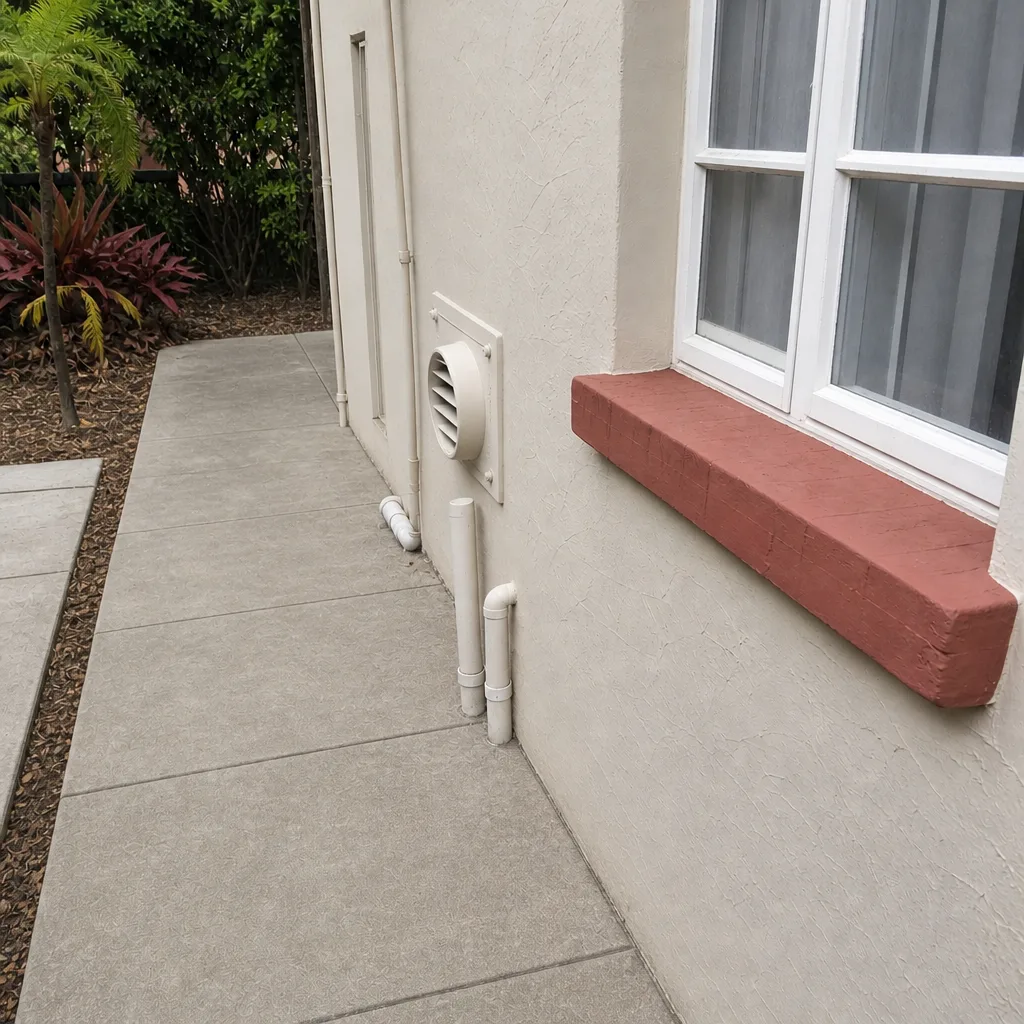
See the difference
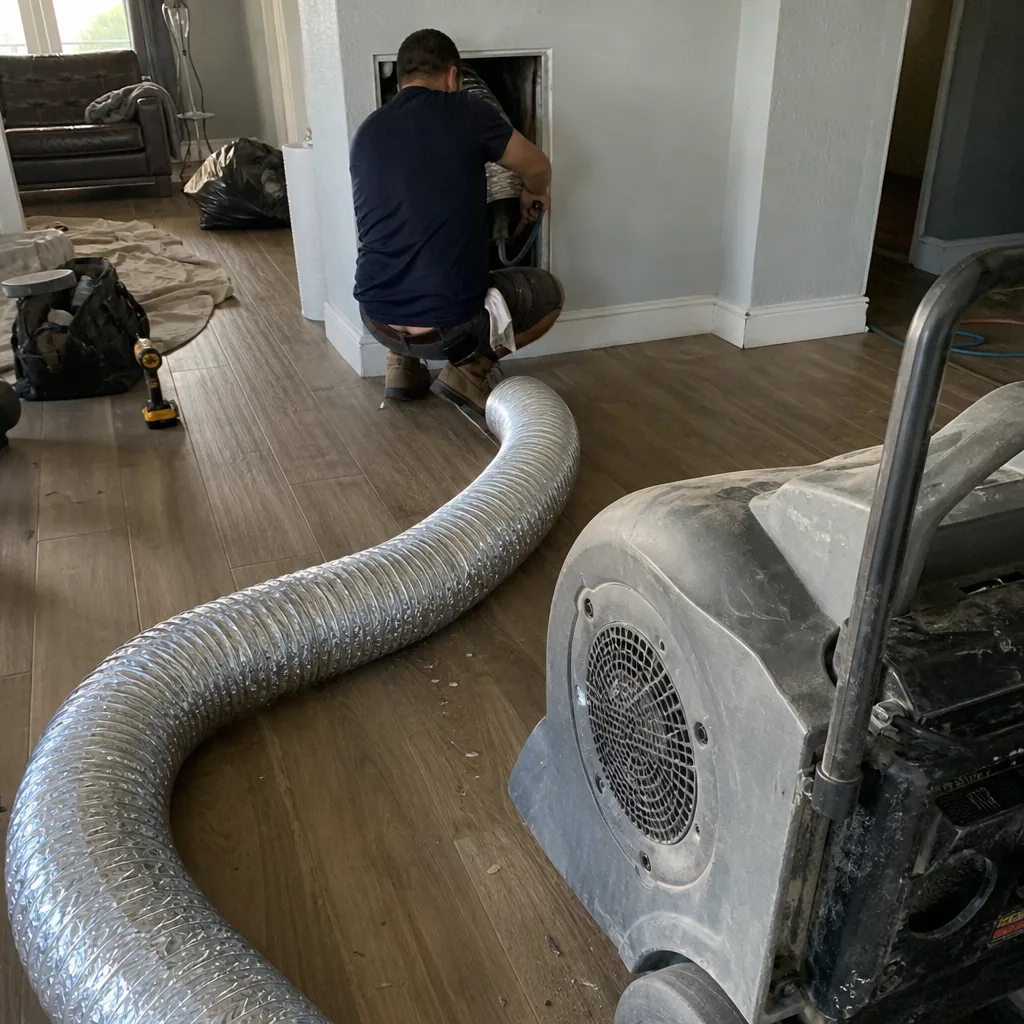 Before
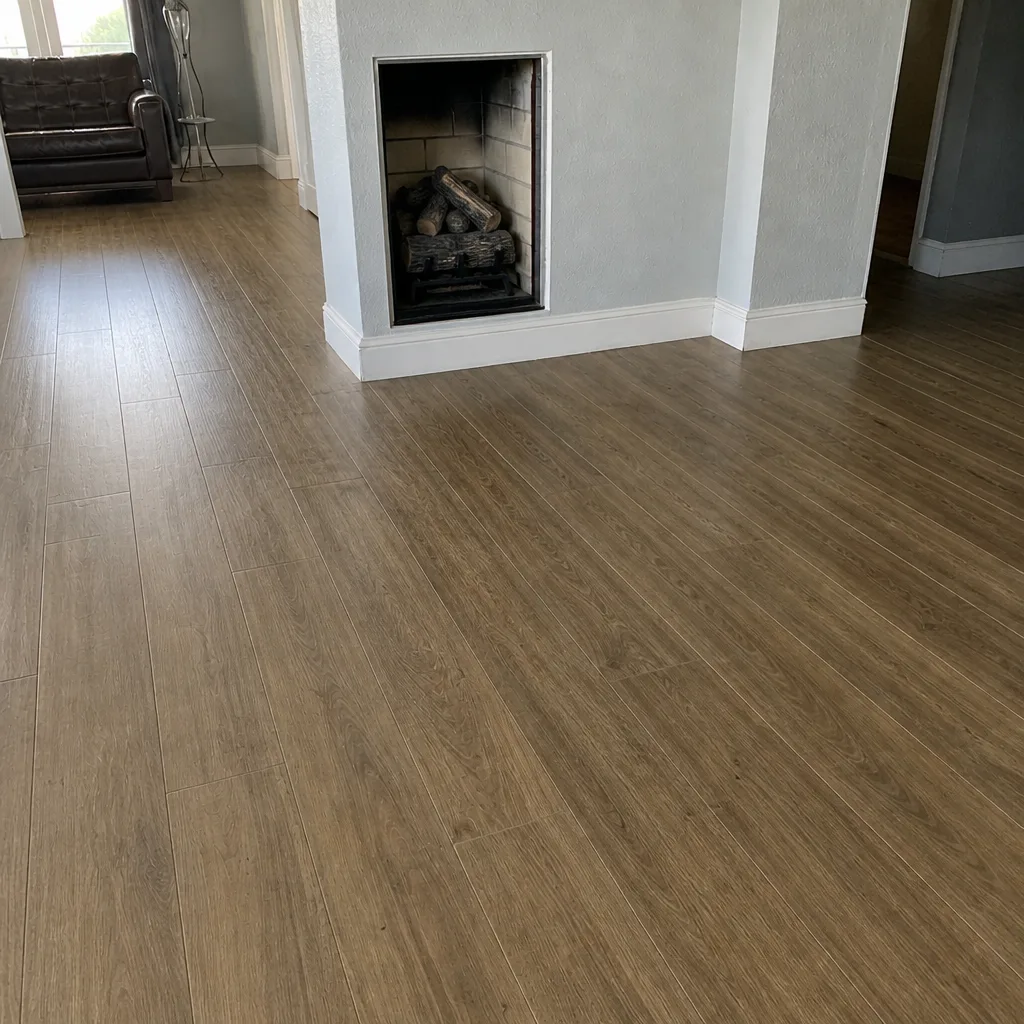 After
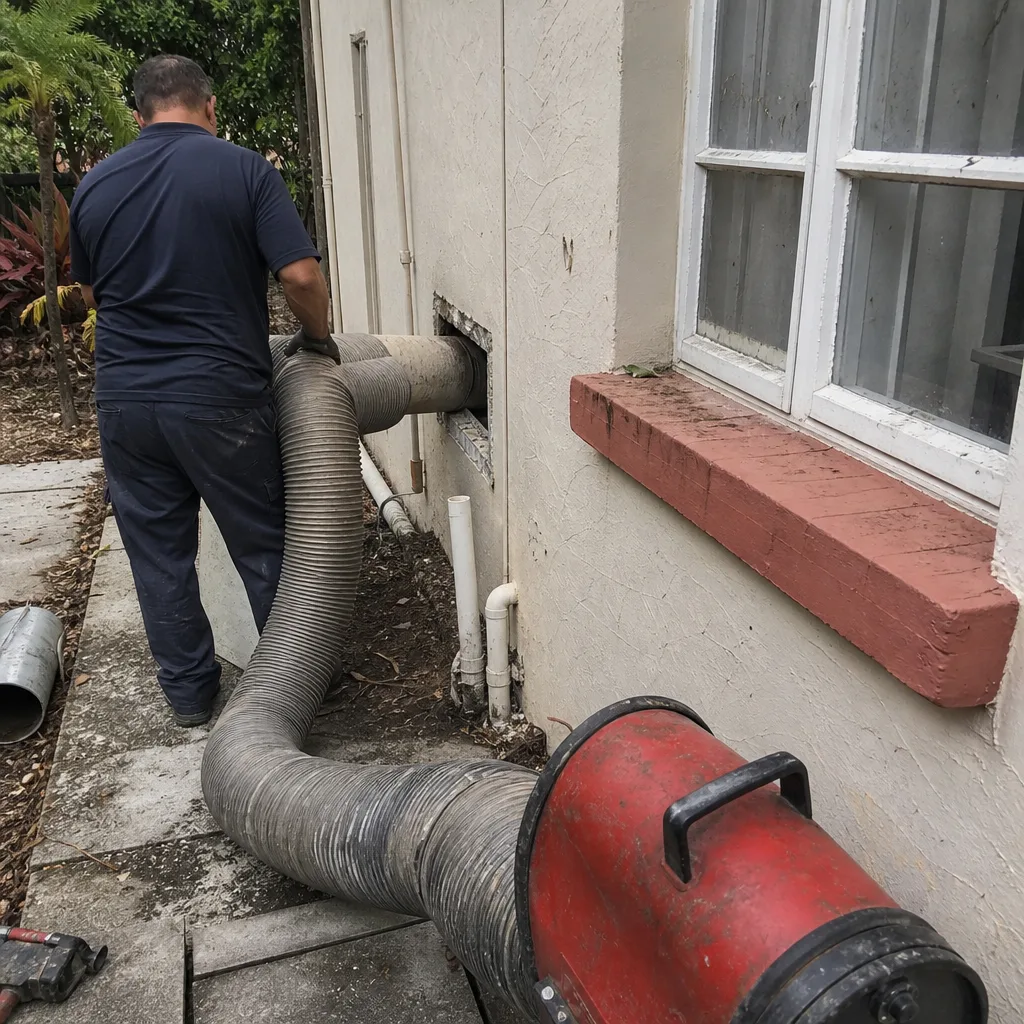 Before
 After
 Before
 After
When to Call a Professional
Call a professional when your inspection turns up moisture, visible debris at the registers, persistent odor, uneven airflow that the damper and register can’t explain, pest evidence, or damaged insulation wrap. Call sooner if your log shows rapid change between checks. And call if it’s been more than a few years since the ducts were cleaned, or if you’ve just moved into a Boca Raton home with no duct history. Ashton Air Duct Cleaning offers free estimates in Boca Raton, and we include air duct repair in the scope, so a finding doesn’t require a second contractor. Call (888) 894-0255. We answer 24/7, with fast dispatch from 7am to 7pm, Sunday through Friday.
Frequently Asked Questions
Every three to five years for most homes, and sooner if you have pets, allergies, recent renovation dust, or visible debris at the registers. Boca Raton’s high humidity means duct leakage causes more than dust, so any sign of moisture or a musty odor moves the cleaning higher on the list. If your log shows a room getting worse between checks, call for an inspection at (888) 894-0255.
MERV 8 is a sound baseline for most homes, with MERV 11 to 13 reserved for households with allergy or asthma concerns. Higher ratings catch more but load faster and add airflow resistance, which is the exact condition that pulls humid attic air into leaky ducts. Whatever you choose, track your own loading rate over three or four changes to find your real interval instead of following the wrapper’s advice.
That streaking usually means air is leaking around the register boot and carrying dust along the grille edge as it moves. It’s one of the most reliable early signs that a duct connection is loose, and in Boca Raton’s humid climate, every leak also pulls moisture into the system. Have it checked before you schedule a cleaning. Call (888) 894-0255 for a free estimate.
Yes, and sometimes repair is the actual fix. If the duct has disconnected joints, crushed sections, or torn insulation wrap, cleaning alone won’t fix it. We offer air duct repair alongside cleaning, which is a capability most duct cleaning companies don’t provide. A technician inspects first, so the plan addresses the problem that’s really there. Call (888) 894-0255 to discuss.
If you see debris or heavy dust at the registers, cleaning is likely the answer. If you see moisture, torn insulation wrap, sagging or crushed runs, or disconnected joints at the air handler, repair is part of the job. Your log helps a technician make the call faster. A free estimate removes the guesswork, and the price is set by the written estimate before work starts. Call (888) 894-0255.
Yes, and we treat it as a fire-safety item rather than an optional add-on. Lint buildup restricts airflow and creates a fire risk every load, and it’s separate from your HVAC ducts, which is why it gets forgotten. Boca Raton’s humidity makes dryer clothes harder, and a restricted vent makes it worse. If your vent has never been cleaned, call (888) 894-0255 for a free estimate.
Dates and outcomes of filter changes, per-room airflow comparisons, any odor and where you notice it, photos of anything that looks wrong, and a short list of home changes like a roof, renovation, or pest treatment. That history tells a technician whether a condition is old, new, or getting worse, which is more useful than a single day’s snapshot. Call (888) 894-0255 with your notes and we’ll get you scheduled.
You can inspect the accessible connections from a safe vantage point if your setup allows, and you can always check registers and the outside of the air handler cabinet. Don’t climb into tight attic spaces or open the air handler itself if you’re not trained, since those carry real injury risk. Observations from a floor ladder and at the registers are what a technician actually needs from you. Call (888) 894-0255 if anything looks off.
The Bottom Line
A duct checklist written for a national average misses the conditions that actually age ducts in Boca Raton: humidity, storm season, and attic duct runs under constant heat. The routine that works here is a filter interval learned at home through your own records, a monthly visual walk of the registers, air handler, and accessible connections, and a written log that turns a snapshot into a trend. When your inspection turns up moisture, heavy debris, uneven airflow, or damaged insulation, it’s time to call. We offer air duct cleaning, air duct repair, and dryer vent cleaning as one accountable visit. Ashton Air Duct Cleaning offers free estimates in Boca Raton. Call (888) 894-0255. We answer 24/7, with fast dispatch from 7am to 7pm, Sunday through Friday.
Written by the team at Ashton Air Duct Cleaning.