
Last updated November 15, 2026
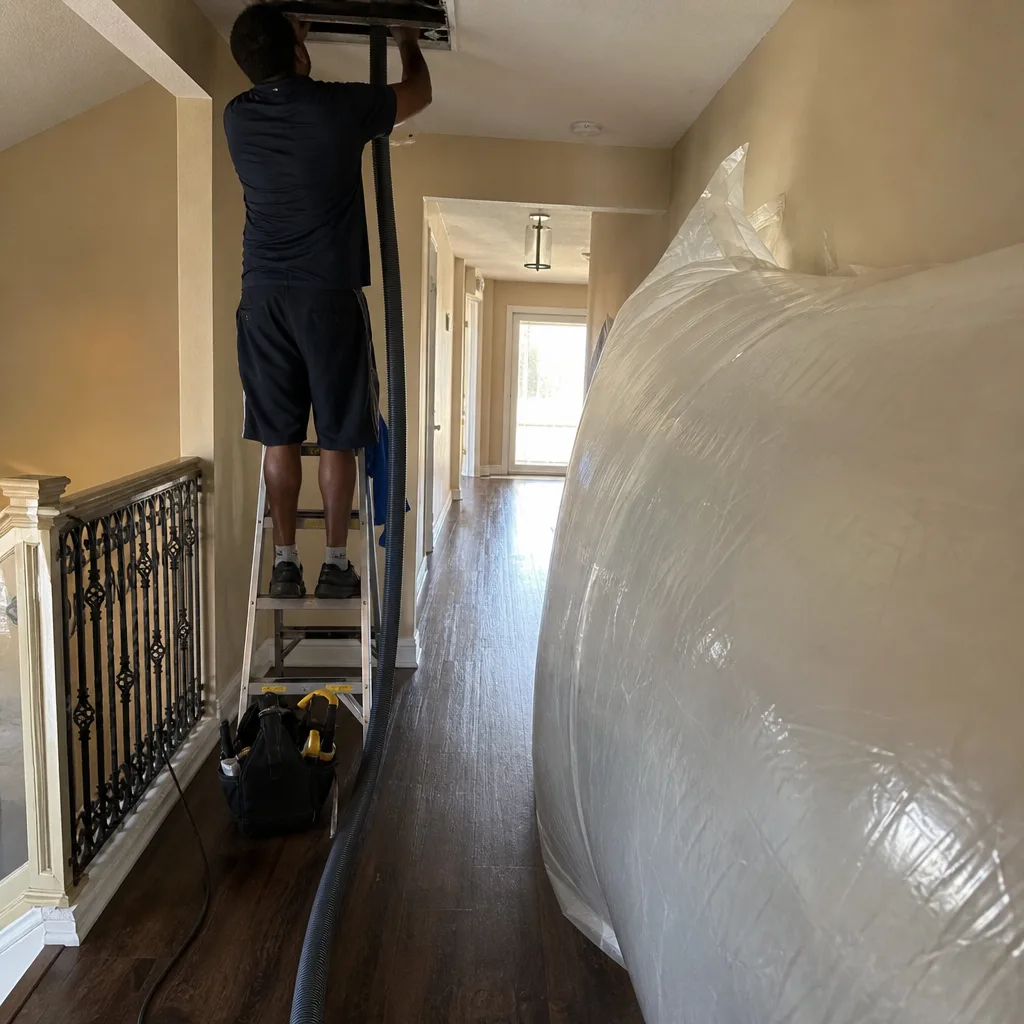
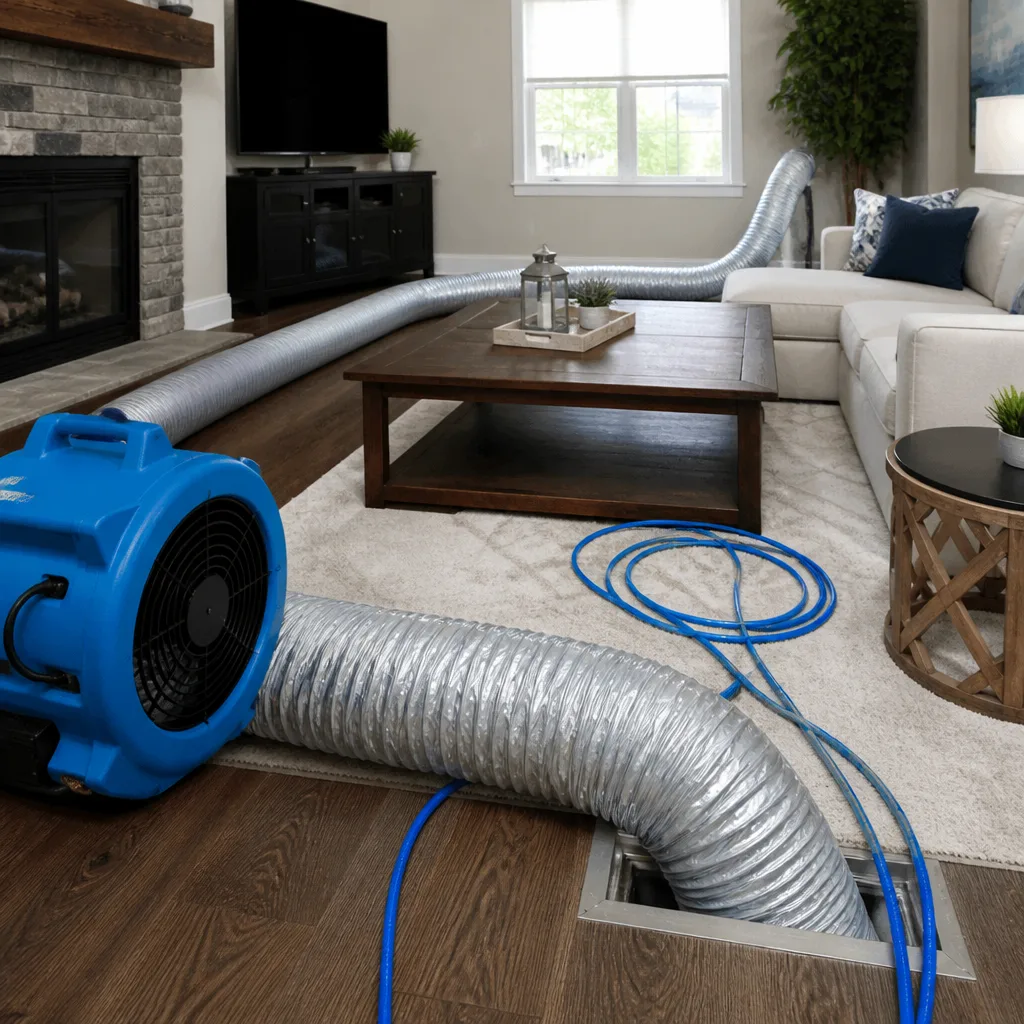 Whole-home duct cleaning
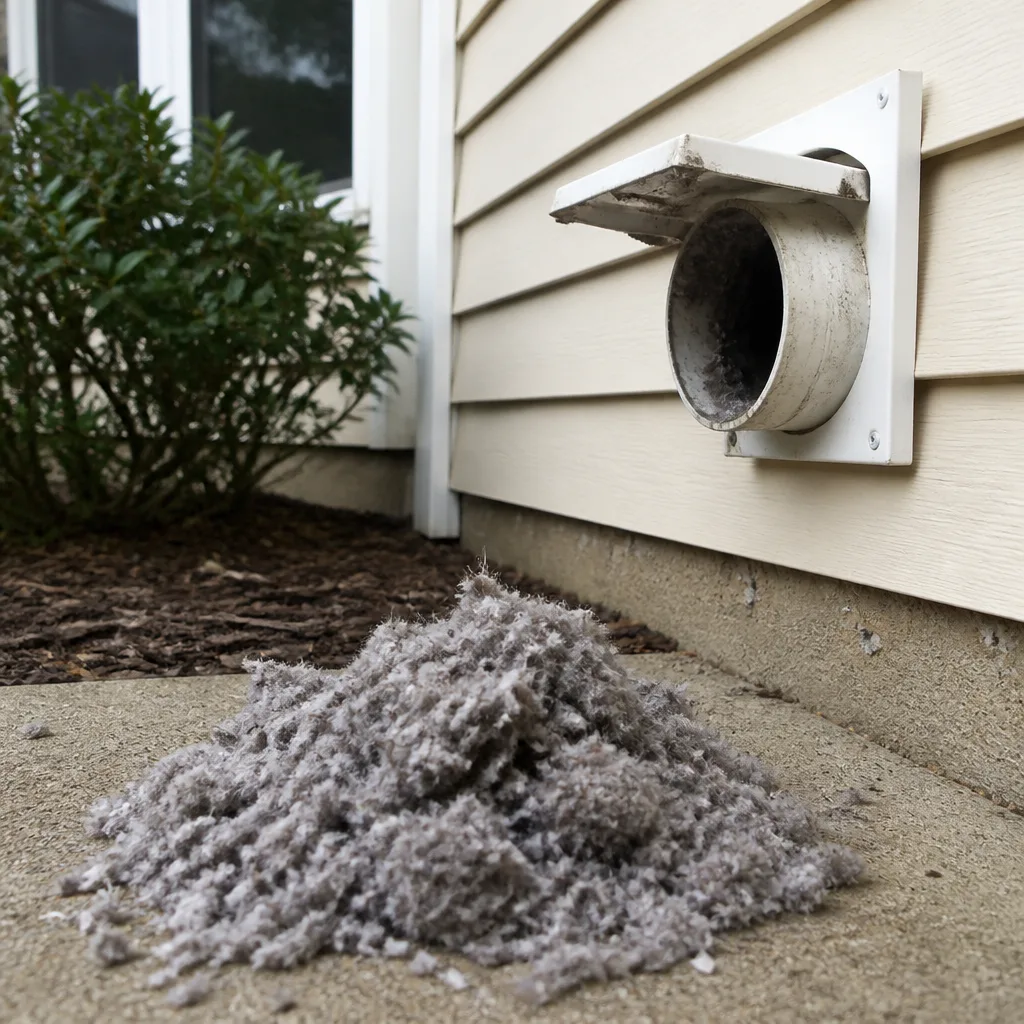 Dryer vent cleaning
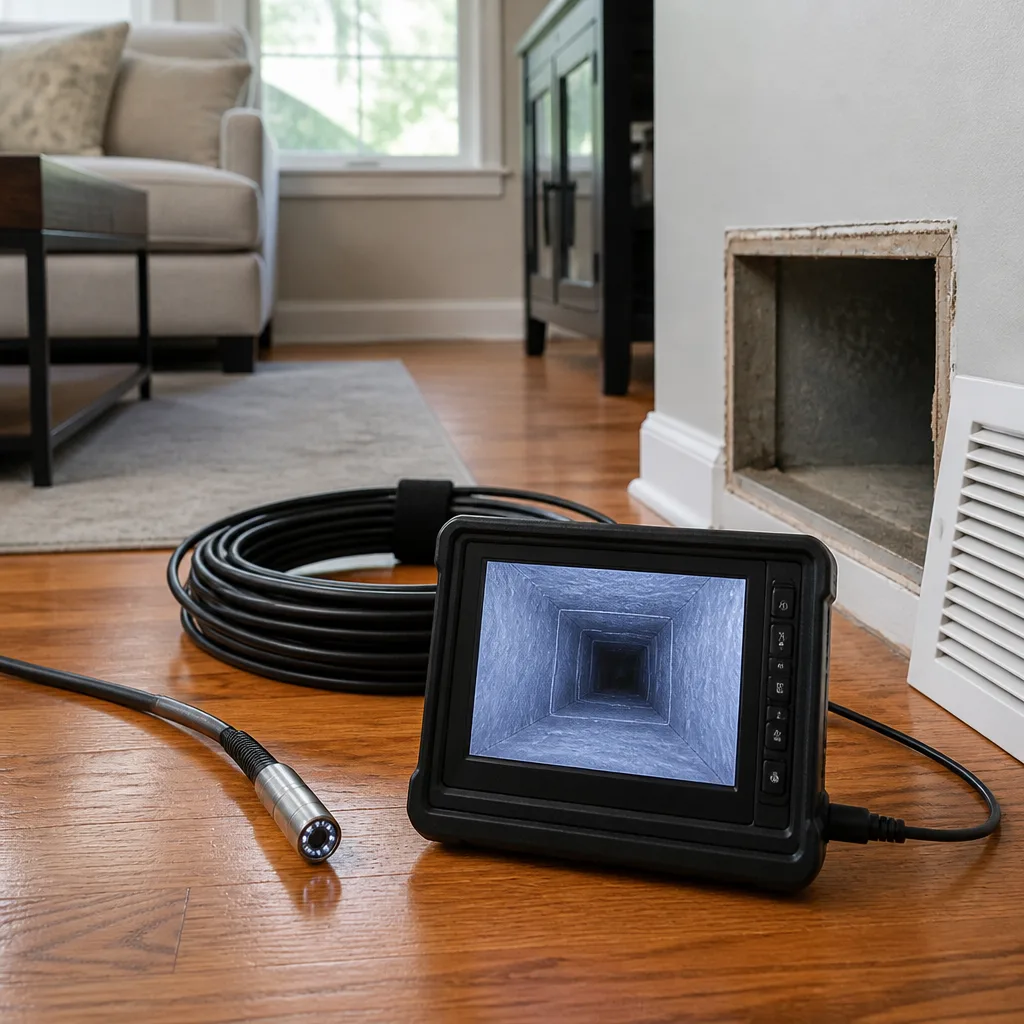 Camera inspection
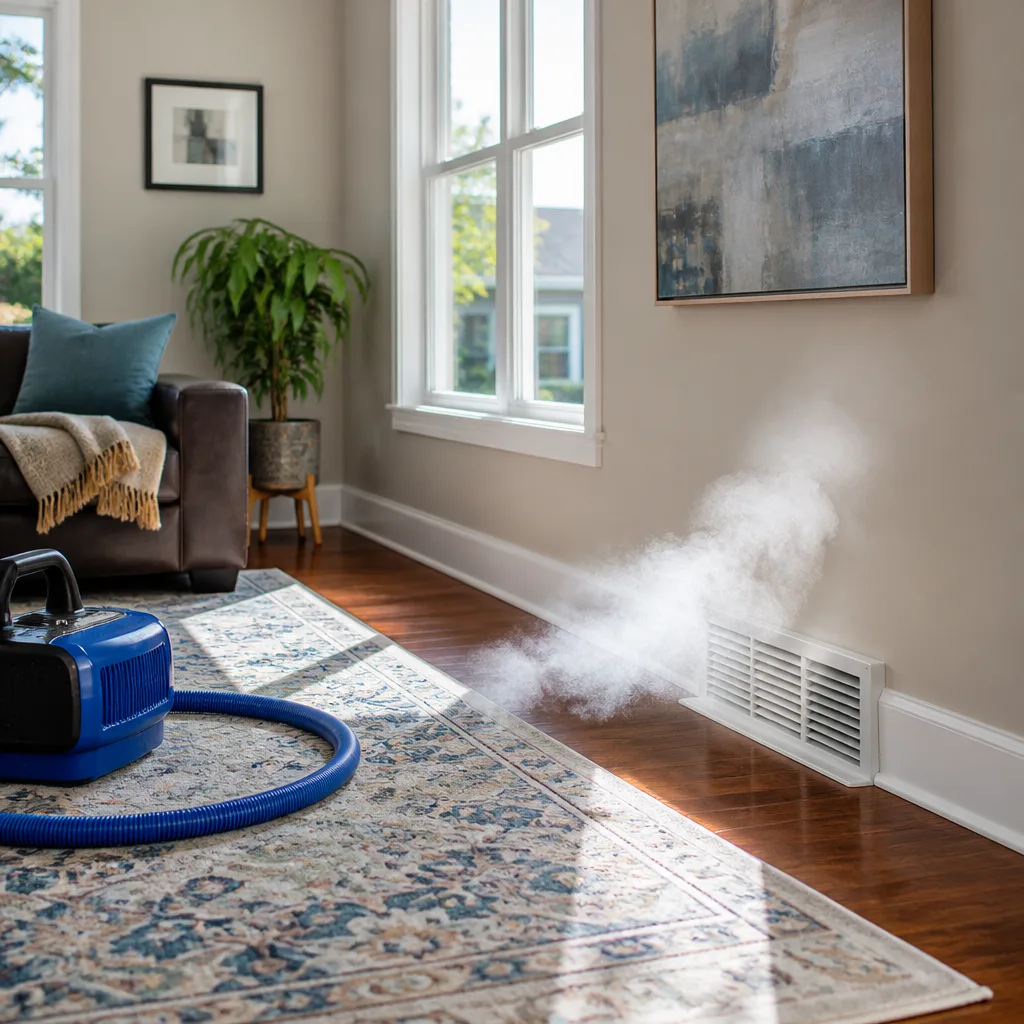 Sanitizing & deodorizing
Whole-system duct and dryer vent check with before-and-after photos - you see exactly what came out of your vents
That "$99 whole-house special" is a bait ad - the real number appears once they are in your hallway, or the "clean" is a shop-vac at the register. We photograph the inside of your ducts before and after instead.
Air Duct Cleaning Troubleshooting in Boca Raton: Common Problems and How to Fix Them
If your ducts were cleaned six months ago and your home still smells musty or your allergies haven’t improved, the cleaning wasn’t the problem – the diagnosis was. Most air duct problems in Boca Raton don’t come back because somebody missed a spot with the vacuum. They come back because nobody asked why the contamination built up in the first place. A leaky return pulling attic air, a wet evaporator coil feeding microbial growth, flex duct that collapsed during an attic remodel, rodents using the insulation as a highway – each of those leaves the ducts dirty again within a season no matter how thoroughly they were cleaned. This guide walks through the troubleshooting sequence we use in the field: symptom first, root cause second, fix third. You’ll learn how to tell obstruction from blower failure, why post-cleaning odors rarely originate in the ducts, and how a borescope turns guesswork into an answer.
Quick Answer
Air duct problems in Boca Raton usually fall into one of five categories: debris buildup, duct leakage, collapsed or disconnected flex duct, moisture-driven microbial growth on the coil or drain pan, and pest intrusion. Cleaning alone resolves only the first. The other four need repair, coil treatment, or both, and a camera inspection is often the only way to confirm the fix actually worked. If your symptoms keep returning after a cleaning, treat that as a diagnostic signal, not a reason to schedule another cleaning.
Styles & brands we work with
- Whole-home duct cleaning
- Dryer vent cleaning
- Camera inspection
- Sanitizing & deodorizing
Table of Contents
- How do you know if you have an air duct problem in Boca Raton?
- Why is airflow weak in only some rooms?
- What do musty odors after duct cleaning actually mean?
- Why is dust back at the registers two weeks after cleaning?
- How do you tell mold from debris from pest intrusion in South Florida homes?
- When does a duct problem need repair instead of cleaning?
- When is a borescope the only way to confirm the problem is fixed?
- How do you keep Boca Raton ducts from getting contaminated again?
How do you know if you have an air duct problem in Boca Raton?
A duct problem usually announces itself through one of five symptoms: weak airflow at specific registers, musty or dusty odors when the system starts, visible dust settling on furniture faster than usual, allergy symptoms that get worse indoors, or a spike in your electric bill with no obvious cause. Any one of those is worth investigating. Two or more together means the ductwork itself is the likely source.
What makes diagnosis tricky in Boca Raton is that the same symptoms show up for different reasons depending on which part of the city you live in. Homes west of the turnpike tend to sit on newer construction with longer flex duct runs through unconditioned attics, where joint failures and sagging runs are the usual suspects. Older neighborhoods closer to the intracoastal often have retrofitted systems where the return path was never rebalanced for the current floor plan. Same complaint at the register, different root cause underneath.
Here’s the troubleshooting order we start with, because it eliminates the cheapest causes first:
- Check the filter. A clogged filter mimics a duct obstruction almost perfectly. If it’s gray and matted, replace it and retest airflow before doing anything else.
- Map which registers are weak. One room weak points to a branch problem. Every register weak points to the blower, the main trunk, or the return.
- Listen at the return grille. A whistling or strained sound suggests the system is starved for return air, which often means a crushed return duct or an undersized grille.
- Look for visible dust streaks at ceiling joints. Streaks around a register collar are a leakage signature, not a cosmetic issue.
- Note when the symptom appeared. Sudden onset after a remodel, roof work, or HVAC replacement narrows the cause quickly.
Running that sequence takes ten minutes and saves you from paying for a cleaning that won’t solve your problem. If you’re not sure what you’re seeing, our team at Ashton Air Duct Cleaning can walk through it with you on the phone before anyone books a visit.
Why is airflow weak in only some rooms?
Weak airflow in specific rooms almost always traces to one of three things: a physical obstruction in the branch duct, a collapsed or disconnected section of flex duct, or a supply damper that’s closed or improperly balanced. It is rarely a blower problem – if the blower were failing, every register in the house would be weak, not just a few.
In Boca Raton attics, flex duct is the usual culprit. Flex duct is convenient and cheap to install, but it collapses easily when it’s kinked, sagging, or crushed under stored boxes. We’ve seen entire runs pinched almost flat where a previous technician stepped on them or where an attic access panel was reinstalled on top of the duct. There’s also the sagging problem: flex duct supported at five-foot intervals will droop in the middle, and that droop creates a low point where condensation collects. In South Florida’s humidity, a damp low point becomes a growth site within a season.
Working through it:
- Obstruction – a foreign object, insulation, or a pest nest lodged in the branch. Cleaning removes it, but the entry point still needs to be sealed or it happens again.
- Collapsed or crushed flex duct – requires repair (replacement of the affected run), not cleaning. No amount of vacuuming reopens a crushed duct.
- Disconnected joint – the duct has separated at a collar or fitting and is dumping conditioned air into the attic. Repair, then re-clean the run, because the disconnected section has been pulling attic air and attic debris into the system.
- Damper or balancing issue – a manual damper left partly closed during a previous service call. Adjusting it costs nothing.
- Blower or air handler – only if every register is weak. Call an HVAC technician, not a duct cleaner.
This is exactly why Ashton Air Duct Cleaning offers air duct cleaning and duct repair as separate services from the same visit. Most cleaning companies will clean a crushed duct without fixing it, then clean it again next year. Repair capability is the difference between solving the problem and billing for the symptom.
What do musty odors after duct cleaning actually mean?
A musty smell that returns within weeks of a duct cleaning almost never means the ducts were cleaned badly. It usually means the odor source was never in the ducts – it’s on the evaporator coil, in the drain pan, or in the plenum between the air handler and the first duct run. Cleaning the ducts removes debris, but it does nothing to a wet coil covered in microbial growth.
South Florida is where this happens most. An air conditioning system running hard for eight months a year keeps the coil wet almost continuously, and the drain pan holds standing water any time the drain line starts to slow. Add Boca Raton’s summer humidity and the coil becomes a very effective biological growth surface. Air passes over it, picks up the odor, and distributes it through every duct in the house. Clean ducts simply become a delivery system for a smell that originated somewhere else.
Here’s the diagnosis sequence:
- Smell test at the air handler. Open the access panel with the system off and smell the coil and drain pan. If the musty odor is strongest there, the ducts aren’t the source.
- Check the drain pan for standing water. Standing water or a slimy film in the pan is the confirmation. The drain line or the pan slope needs attention.
- Look for microbial growth on the coil. Visible dark spotting on the coil fins means cleaning and treatment, not a filter change.
- Treat, then verify. Coil cleaning removes the growth. UV treatment installed in the plenum or near the coil keeps the surface inhospitable afterward. Without one or the other, the odor comes back.
- Re-clean the ducts only after the coil is addressed. Cleaning first wastes money – the ducts are downstream of the problem.
We service and work alongside equipment from brands like Honeywell and Aprilaire for filtration and UV treatment, because the fix for a coil-driven odor is a treatment on the coil, not another pass through the ductwork. If your ducts were cleaned recently and the smell came back, tell the company exactly that before you book. A specialist who understands the difference will know to inspect the air handler, not just re-run the brush.
Why is dust back at the registers two weeks after cleaning?
Visible dust settling back at the registers within two to three weeks of a professional cleaning is a sign of duct leakage, not a failed cleaning. When supply ducts leak in an unconditioned attic, the system pulls attic air in through the leaks during the return cycle. That attic air carries fiberglass particles, insulation dust, and whatever else has settled on top of the ducts, and it deposits that material right at the register grilles.
Boca Raton homes are especially prone to this because so much of the ductwork runs through attics that reach 140°F on a summer afternoon. Heat accelerates the degradation of flex duct joints and duct tape; joints that were sealed a decade ago are often cracked or completely separated now. A house can be losing 20 percent or more of its conditioned air through attic leaks without the homeowner noticing anything except recurring register dust and a slowly rising electric bill.
What to check, and in what order:
- Look for dust streaks at the register collar. A dark line or graying at the ceiling joint is the signature of a leaking boot or collar.
- Check the attic-side seal. The floor of the attic above each register is where leaks hide. A physical inspection from the attic side finds them quickly.
- Inspect the return duct. Leaky returns are worse than leaky supplies, because they pull attic or garage air directly into the occupied space.
- Confirm the filter is correctly sized and seated. A filter that’s too small lets unfiltered air bypass into the system.
The fix is duct sealing at the leaks – mastic or proper foil tape, not the old standard gray cloth tape, which fails in attic heat. In more severe cases, the affected flex run needs replacing. This is where Ashton Air Duct Cleaning’s repair service comes in: cleaning twice won’t stop attic air from coming in through a cracked joint, and the diagnostic answer is repair, not another cleaning visit.
How do you tell mold from debris from pest intrusion in South Florida homes?
South Florida homes present three duct contamination patterns that look similar from the register and very different up close: humidity-driven microbial growth, ordinary debris buildup, and pest intrusion. The symptoms overlap enough that homeowners regularly misdiagnose, and the fix for each is different.
Here’s how the symptoms typically line up:
- Humidity-driven microbial growth – musty smell that intensifies when the system first starts, worse in summer, worse after rain. Growth is usually on the coil, drain pan, or the inside of flex duct in unconditioned attics where condensation forms. Cleaning plus a moisture fix (coil treatment, UV, drain correction) is the solution.
- Debris buildup – dull, dusty smell, visible dust at the registers, no odor when the system is off. This one responds to cleaning alone.
- Pest intrusion – a sharp, ammonia-like or animal smell, scratching or scurrying sounds at night, or visible droppings in the attic or at the air handler. Rodents and insects use ducts as shelter and travel paths. Cleaning is necessary but insufficient; the points of entry need to be sealed or the problem returns.
- Mixed cases – many Boca Raton homes have all three at once, particularly older properties near the intracoastal where the attic stays humid year-round. Diagnosis comes first, then a plan that addresses each component.
One thing we look for specifically: whether debris inside a flex run is uniformly distributed or concentrated at low points. Uniform distribution is ordinary accumulation. Concentrated accumulation at a sagging low point usually means condensation has been pooling there, which points toward growth, not just dust.
If pest intrusion is confirmed, the sequence is to seal the entry points first, then clean, then verify. Cleaning first without sealing just clears the way for the same animals to return to a fresh space.
When does a duct problem need repair instead of cleaning?
A duct problem needs repair, not cleaning, when the ductwork itself has failed structurally – when flex duct is crushed, disconnected, torn, or saturated, or when duct leakage is severe enough to pull significant attic or outdoor air into the system. Cleaning a structurally failed duct is like mopping under a leaking sink: the cleaning is real, but the source keeps running.
The repair-versus-clean decision usually comes down to these questions:
- Is the duct continuous and sealed? If yes, cleaning. If there are disconnections, tears, or failed joints, repair first or alongside.
- Is the duct physically intact? Crushed or kinked flex runs restrict airflow and can’t be cleaned effectively. Replace the run.
- Is there a moisture source feeding the duct? Wet insulation around a duct, or a duct running through a wet attic section, means the duct needs repair or replacement before cleaning.
- Is the duct original to the house and inaccessible? Some older Boca Raton homes have ductwork in soffits or chases with no access point. Repair scoping on those often means cutting a new access hatch.
- Was the duct insulated to code when it was installed? In an unconditioned Boca Raton attic, under-insulated duct sweats in summer and creates a moisture problem that cleaning can’t fix.
The alternative most duct cleaning companies present is simply “clean it again.” That’s the wrong answer when the diagnosis points at the duct structure. Ashton Air Duct Cleaning services a full range of ducts – cleaning, repair, and dryer vent work – because the right fix for a Boca Raton home is rarely just a cleaning pass. Sometimes the fix is cleaning a healthy duct. Sometimes it’s replacing a failed run. The system has to be evaluated honestly to know which you’re facing.
When is a borescope the only way to confirm the problem is fixed?
A borescope – a small camera on a flexible probe – is the only reliable way to confirm a fix when the duct run is inaccessible from either end, when the symptom is intermittent, or when you’re verifying that a repair held six months later. Visual inspection through the register grille reaches only the first few feet. Beyond that, you’re guessing unless you have a camera in the duct.
The specific scenarios where a borescope is the deciding tool:
- Long horizontal runs through a soffit or chase – no attic access, no way to see the middle of the run without a camera.
- Confirming a repair held – after flex duct is replaced or a joint is resealed, the camera verifies the fix before the job is called done.
- Locating a suspected obstruction – an object, a collapsed section, or a pest nest in the middle of a branch duct.
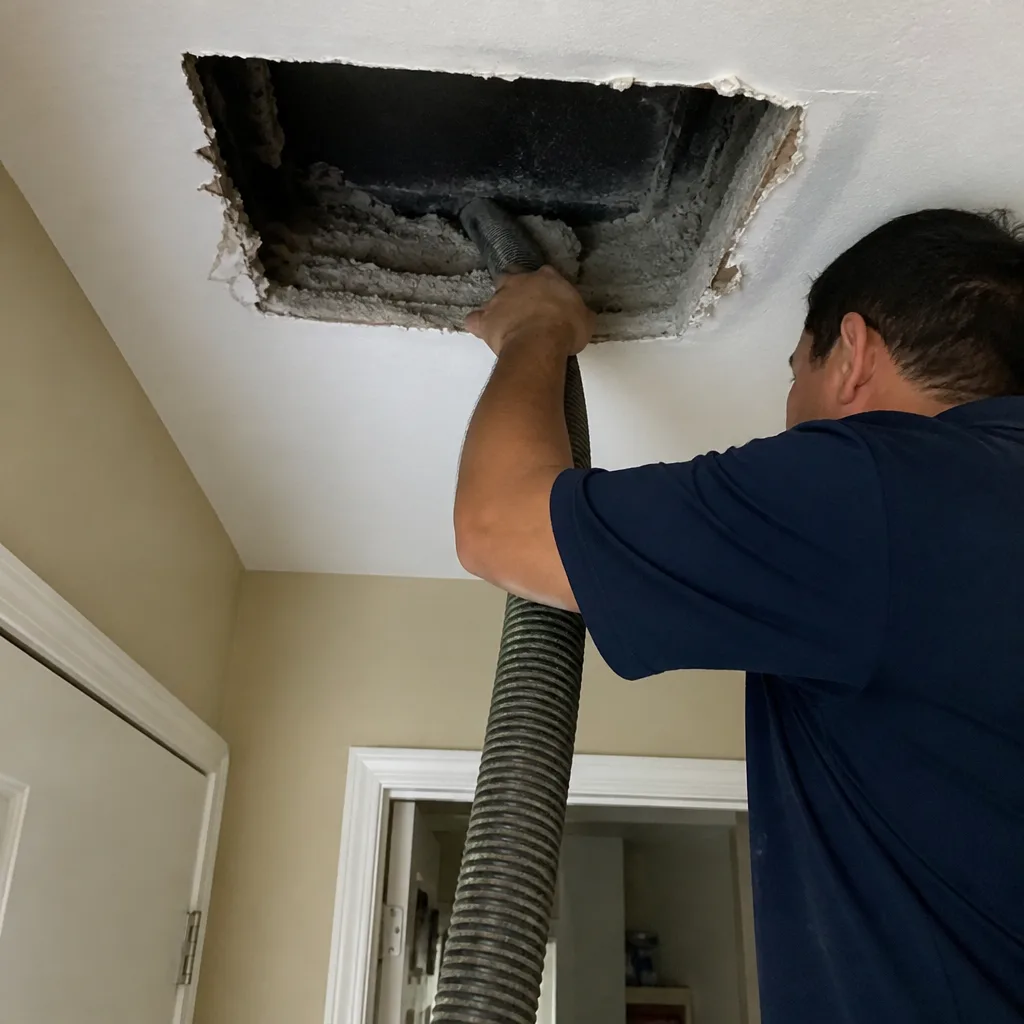
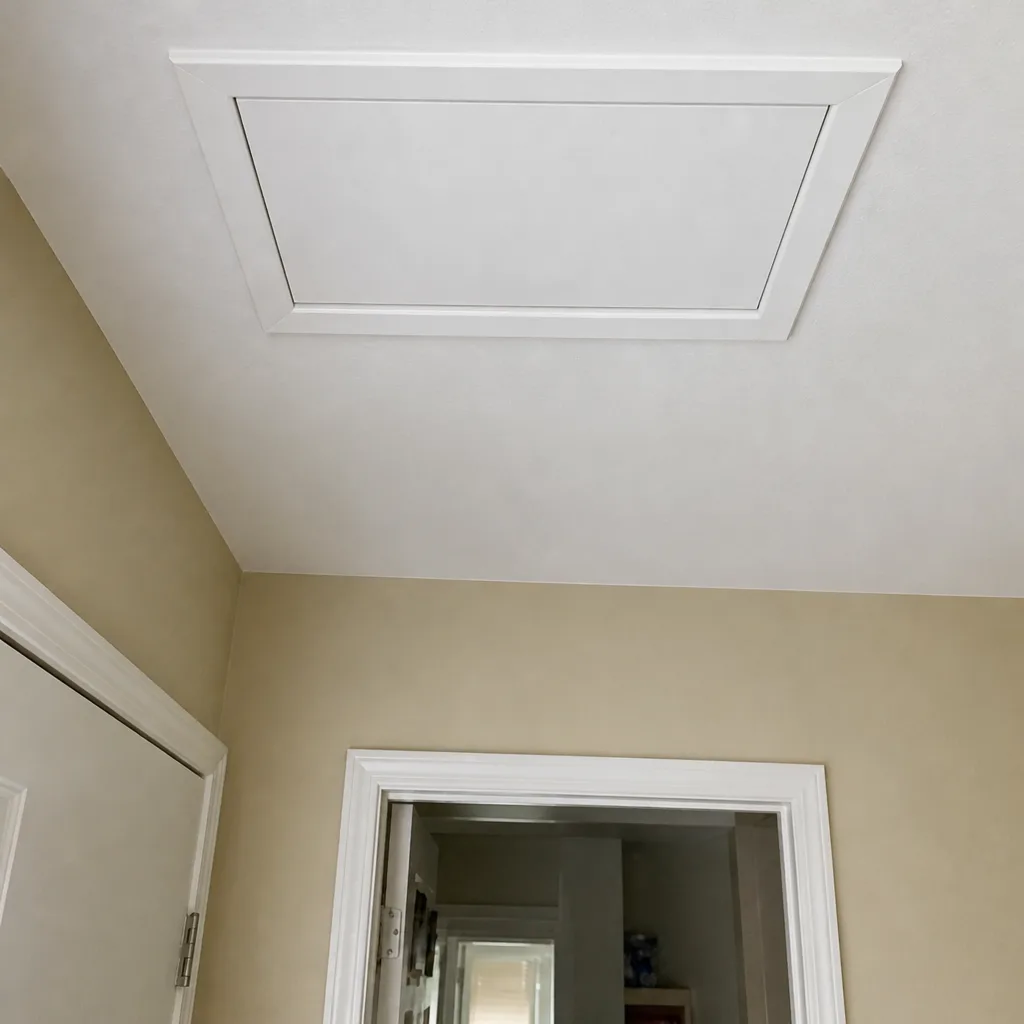
- Verifying cleaning on heavily contaminated ducts – before-and-after photos of the inside of the duct, not just the register face.
- Diagnosing intermittent musty odors – the growth may be in one specific location the camera can reach and the vacuum can’t easily clean.
We use a borescope on any job where the ducts aren’t fully visible from the attic. Rotobrush and Nikro equipment does the cleaning work – the agitation and extraction systems are designed to physically dislodge and capture debris, not just pull air – but the camera is what tells us whether the job is actually done or just appears done from the register. We also photograph what we find, so you have a record of the before and after for your own reference. If a company won’t show you the inside of your ducts after the job, ask why.
How do you keep Boca Raton ducts from getting contaminated again?
Keeping ducts clean in Boca Raton is mostly about managing three things: filtration, moisture, and duct leakage. Get those three right and a cleaning holds for years. Miss any one of them and contamination returns within a season or two, no matter the equipment used.
The practical checklist:
- Use a properly sized, quality filter and change it on schedule. A MERV 8 to MERV 11 filter is usually the practical ceiling for a standard residential system. Higher-MERV filters can restrict airflow on systems not designed for them. Change based on pressure drop, not just the calendar – an over-matted filter costs more in efficiency than it saves in cleaning.
- Keep the air handler and drain pan dry. Flush the condensate drain on a schedule. A slow drain leads to standing water, and standing water leads to microbial growth on the coil.
- Seal duct joints and collars in the attic. Mastic or foil tape, applied correctly, holds up to South Florida attic heat. The old cloth tape does not.
- Address pest entry points before they become problems. Screen the return grille, seal the exterior penetrations at the air handler, and inspect after any roof work.
- Re-inspect after any renovation. Drywall dust, insulation debris, and construction dust settle in the ducts quickly. A quick post-renovation check prevents a slow buildup.
- Treat the coil if musty smells return after cleaning. The symptom tells you where the source is. Don’t clean the ducts again while the coil is still the problem.
Part of a healthy routine in Boca Raton is dryer vent cleaning, which we treat as a fire-safety service rather than an air quality add-on. Lint accumulates in the dryer vent the same way debris accumulates in a duct, and the risk is different: a clogged dryer vent is a leading cause of house fires, not just a performance issue. Scheduling it alongside a duct service on the same visit keeps the whole air and exhaust system in one place, which matters more than most homeowners realize.
Common Mistakes to Avoid
- Booking a second cleaning when the first one didn’t stick. If symptoms return within six months, the problem is upstream of the ducts – coil, leakage, or pest entry. A second cleaning treats the symptom and fixes nothing.
- Ignoring attic duct leakage. Boca Raton attics run hot enough to fail tape and joint seals steadily. A loose joint pulls attic air and insulation particles back into the system. Repair the leak, don’t just clean again.
- Cleaning the ducts before addressing a wet coil. Cleaning downstream of an active microbial growth source means the ducts are dirty again within the first week of cooling season. Fix the source first.
- Using a filter that’s too restrictive. High-MERV filters feel safer but can starve airflow on systems not designed for them, which raises humidity in the house and worsens the underlying moisture problem.
- Skipping the borescope verification. Without before-and-after photos from inside the duct, you’re trusting the register grille to tell you what happened down the run. It can’t.
- Treating the dryer vent as an optional add-on. It handles exhaust from the dryer, and lint buildup there is a fire hazard. It deserves the same diagnostic attention as the main duct system.
- Choosing a quote based only on price. A quote that doesn’t include a coil inspection or attic access is not the same job as one that does, and the cheaper quote often means the second visit is a different, larger invoice.
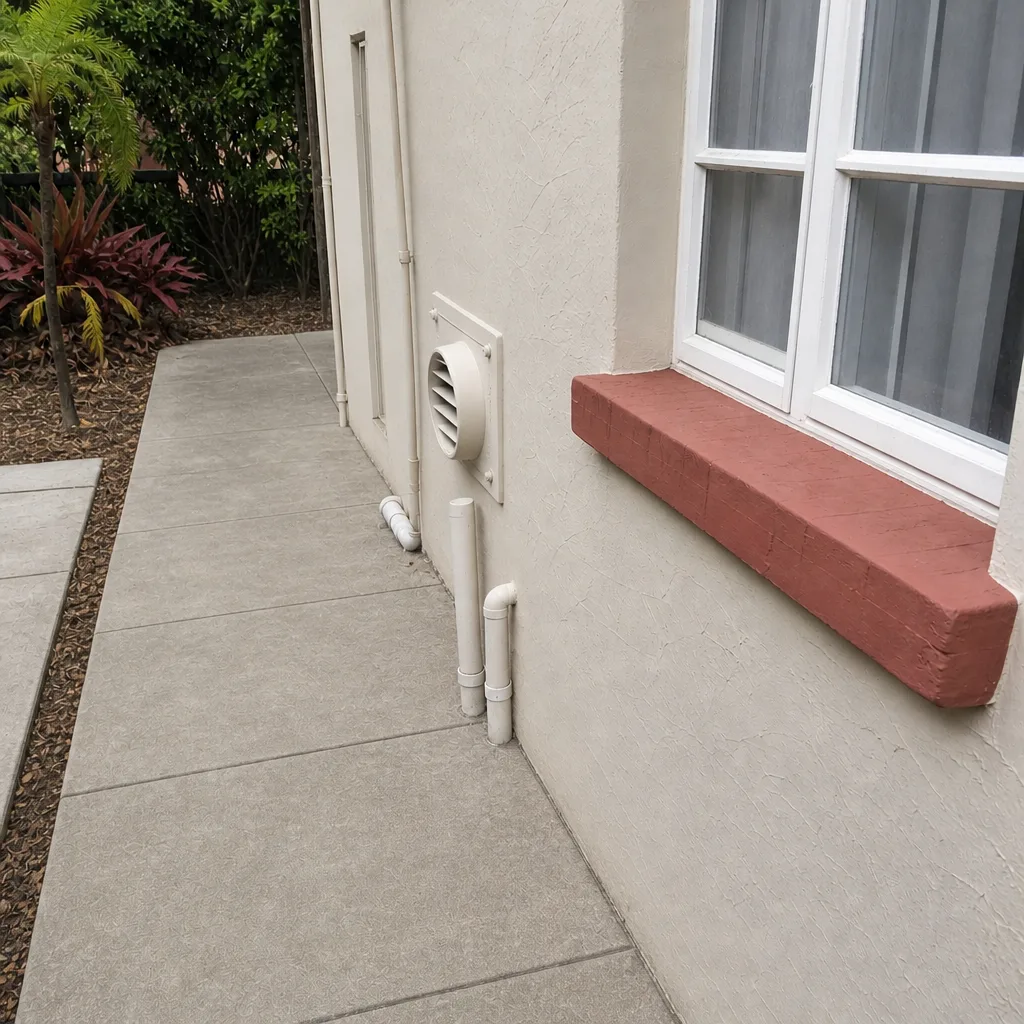
See the difference
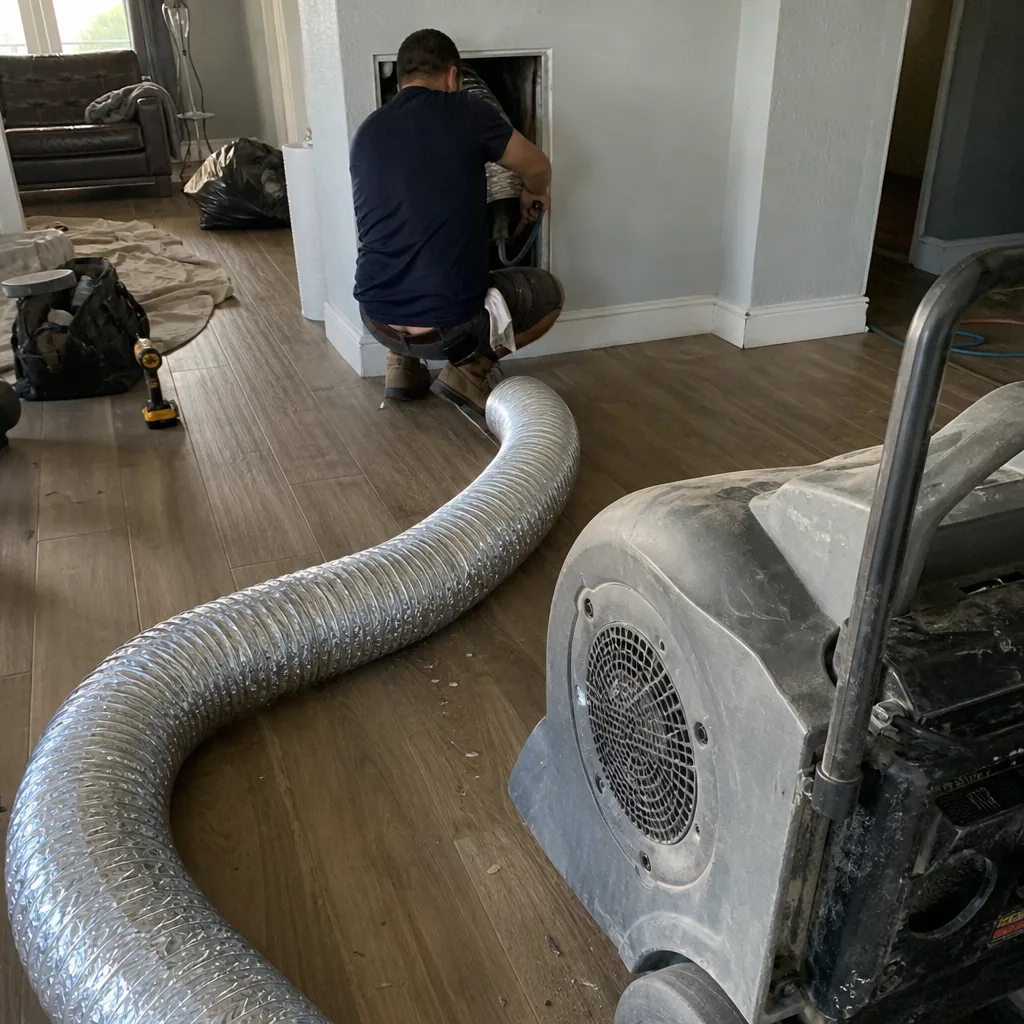 Before
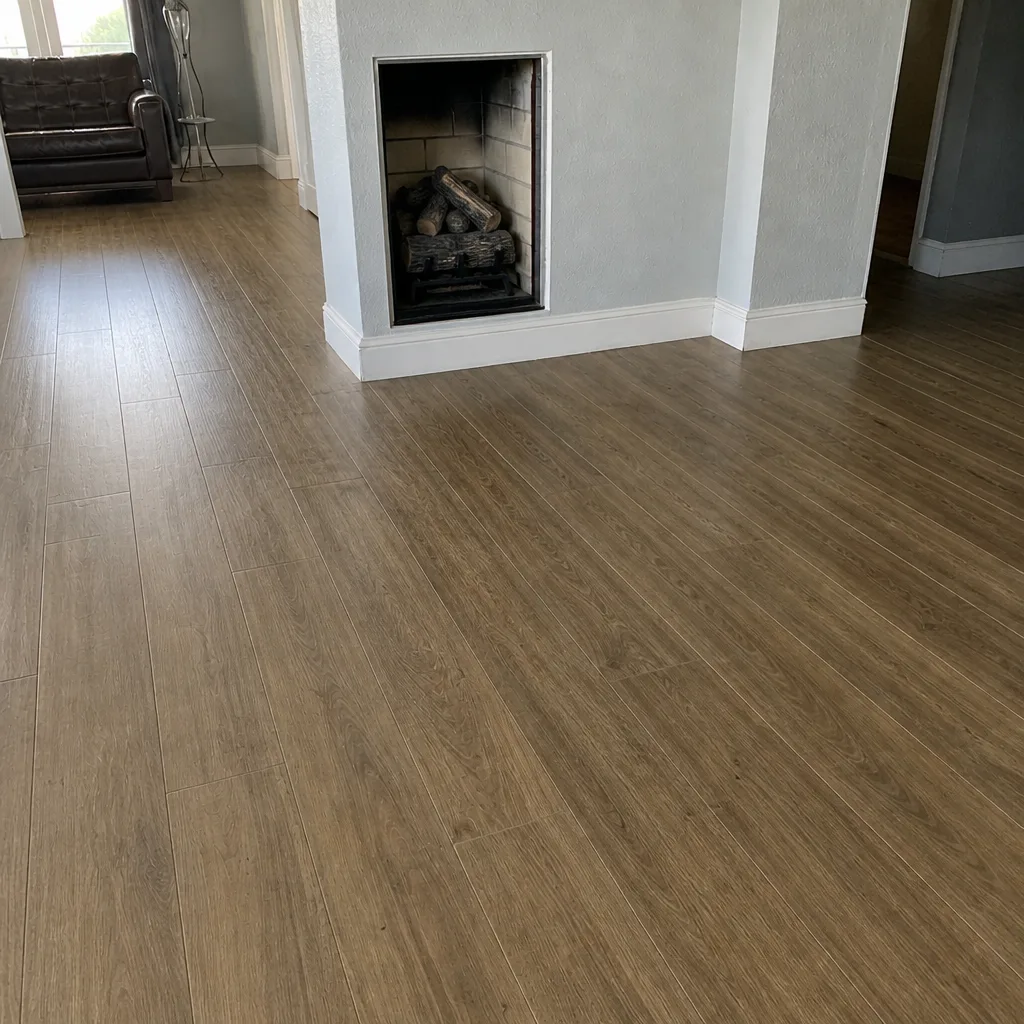 After
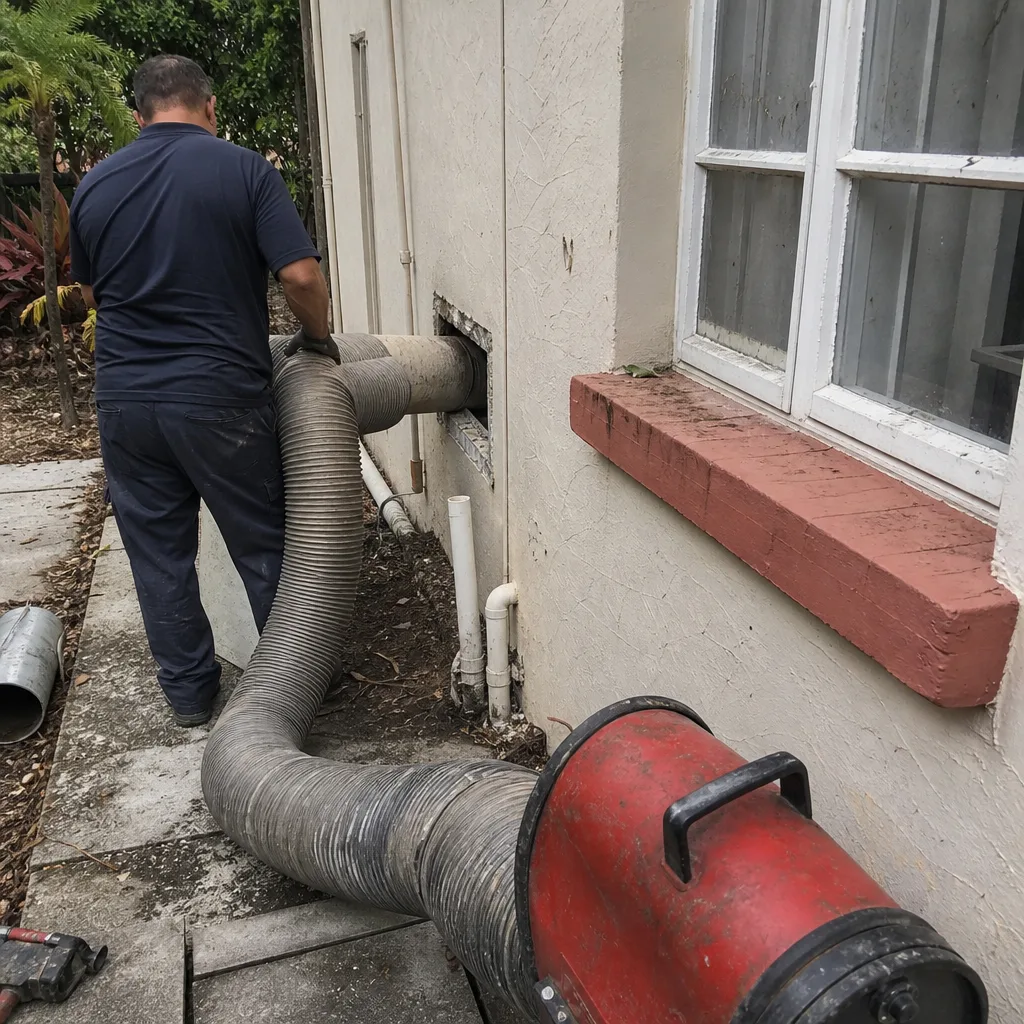 Before
 After
 Before
 After
When to Call a Professional
Call a professional when your symptoms return after a cleaning, when airflow is weak in specific rooms and hasn’t improved with a new filter, when you smell mustiness that gets stronger the moment the system starts, when you see dust streaking at register collars, or when you’ve had a renovation and want to know whether construction dust settled into the system. Those are the diagnostic scenarios. The other scenarios – a duct that’s visibly crushed, a dryer vent you can’t see through to daylight, a smell you can’t trace – are the same call.
Ashton Air Duct Cleaning offers free estimates in Boca Raton – call (888) 894-0255. We answer 24/7. Fast dispatch from 7am to 7pm, Sunday through Friday. Our technicians have up to 8 years of experience diagnosing the problems that other companies clean around, and we’ll tell you honestly when the fix is cleaning, when it’s repair, and when it’s both.
Frequently Asked Questions
Air duct cleaning in Boca Raton typically runs $350-$600 for a standard residential system, with the final price set per job by a written estimate after we’ve seen your duct layout, system size, and contamination level. Duct repair is priced separately because it’s a different scope of work, and any quote that lumps cleaning and repair into one flat number without seeing the ducts hasn’t done the diagnostic legwork. Call (888) 894-0255 for an exact quote – estimates are free.
Cheap quotes are almost always missing something – usually the diagnostic inspection, the coil check, or the borescope verification that would have caught your actual problem. A coupon price is built around getting a technician through the door with a minimum scope; the actual fix often gets presented as an “additional finding” once they’re on site. A flat price per system agreed before the work starts, with a written estimate, is the way to know what you’re paying for. Call (888) 894-0255 for a written estimate before work begins.
You should see before-and-after photos of the inside of your ducts, not just the register grille. A cleaning report without interior images tells you the technician spent time on site – it doesn’t tell you what’s inside your ductwork. Ask for photos before booking, and if a company doesn’t offer them, that tells you something. We photograph the inside of each run for every job. Call (888) 894-0255 to schedule an inspection.
Most homes in Boca Raton do well with a cleaning every three to five years if the system is healthy, sealed, and filtered properly. Homes with pets, recent renovations, or older flex duct in humid attics often need more frequent attention – but the key word is “need,” not “schedule.” A duct system that’s clean, sealed, and running dry doesn’t require annual cleaning. Call (888) 894-0255 to find out what your system actually needs.
We do both. Ashton Air Duct Cleaning offers air duct repair alongside cleaning, which is unusual in this trade – most companies clean and leave structural problems to an HVAC contractor. Crushed flex duct, disconnected joints, torn insulation, and leaky boot collars are all within scope. If the diagnosis points at repair instead of cleaning, we say so rather than cleaning around the problem. Call (888) 894-0255 to schedule a diagnostic visit.
Duct cleaning handles the supply and return pathways of your HVAC system – the air you breathe. Dryer vent cleaning handles the exhaust path from your dryer, and it’s primarily a fire-safety service, not an air quality upgrade. Lint buildup in the vent is a documented ignition path, and households that don’t clean the vent on any schedule are running a preventable risk. We treat the two as separate services because they’re separate problems. Call (888) 894-0255 for a free estimate on either.
The Bottom Line
The reason a duct cleaning “doesn’t work” in Boca Raton is almost never the cleaning – it’s that nobody diagnosed the actual problem first. Return odors point at the coil. Recurring register dust points at attic leakage. Weak airflow in one room points at a failed or crushed branch duct. Pest smells point at entry points that need sealing. Cleaning fixes one problem; repair, coil treatment, and sealing fix the rest. If your symptoms came back after a previous cleaning, the correct next step is a diagnostic visit, not another cleaning quote. The right specialist asks what’s causing it before they ask what you want cleaned. If they don’t, you’ve found the wrong company.
Clean ducts. Repaired ducts. Done right. If you’re in Boca Raton, call Ashton Air Duct Cleaning at (888) 894-0255 for a free estimate. We answer 24/7. Fast dispatch from 7am to 7pm, Sunday through Friday.
Written by the team at Ashton Air Duct Cleaning.