
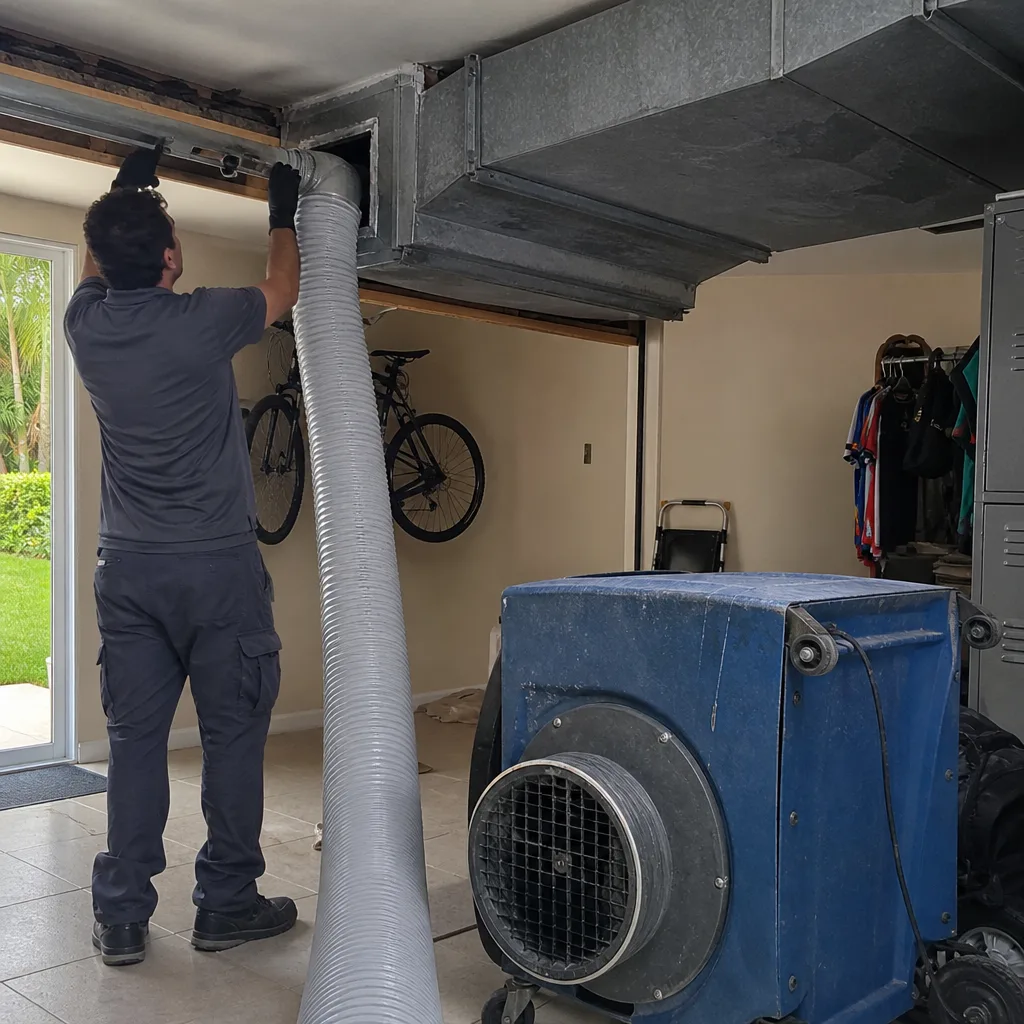
Last updated November 15, 2026
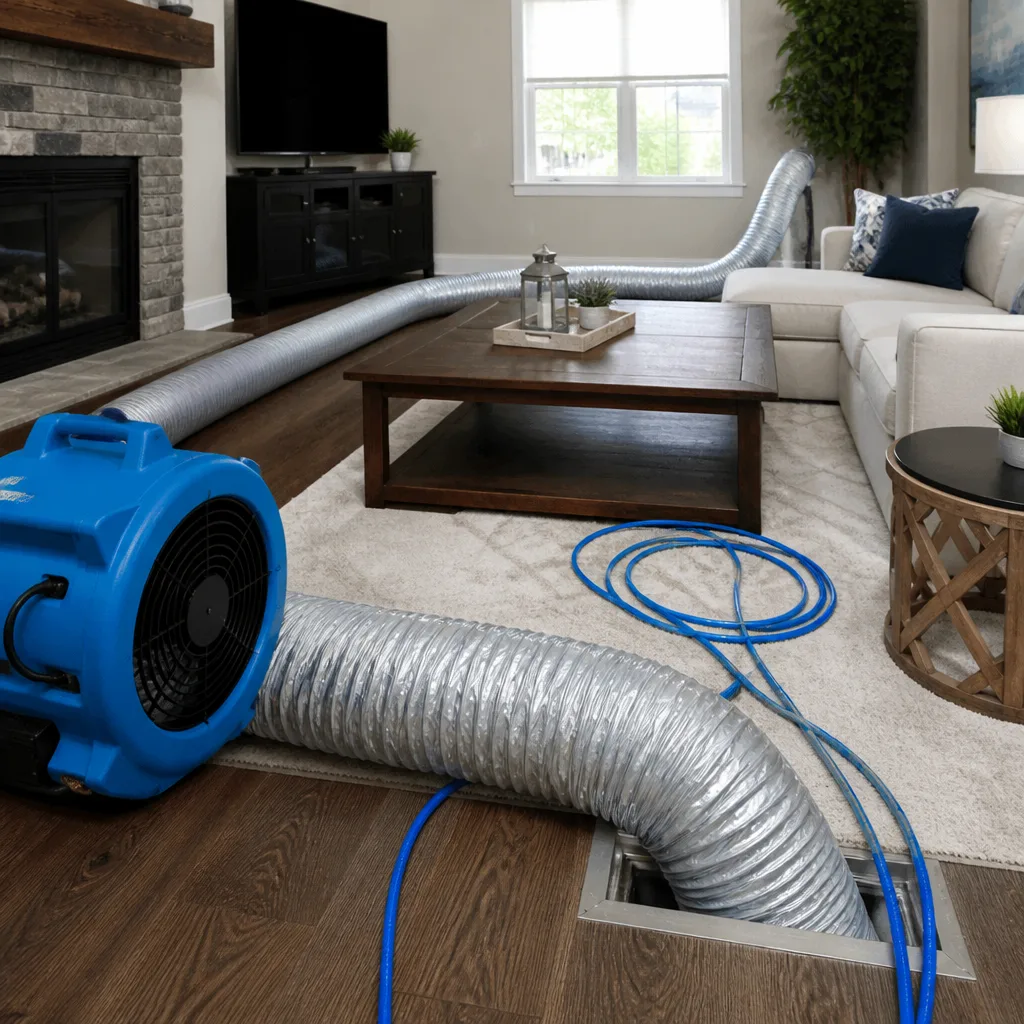 Whole-home duct cleaning
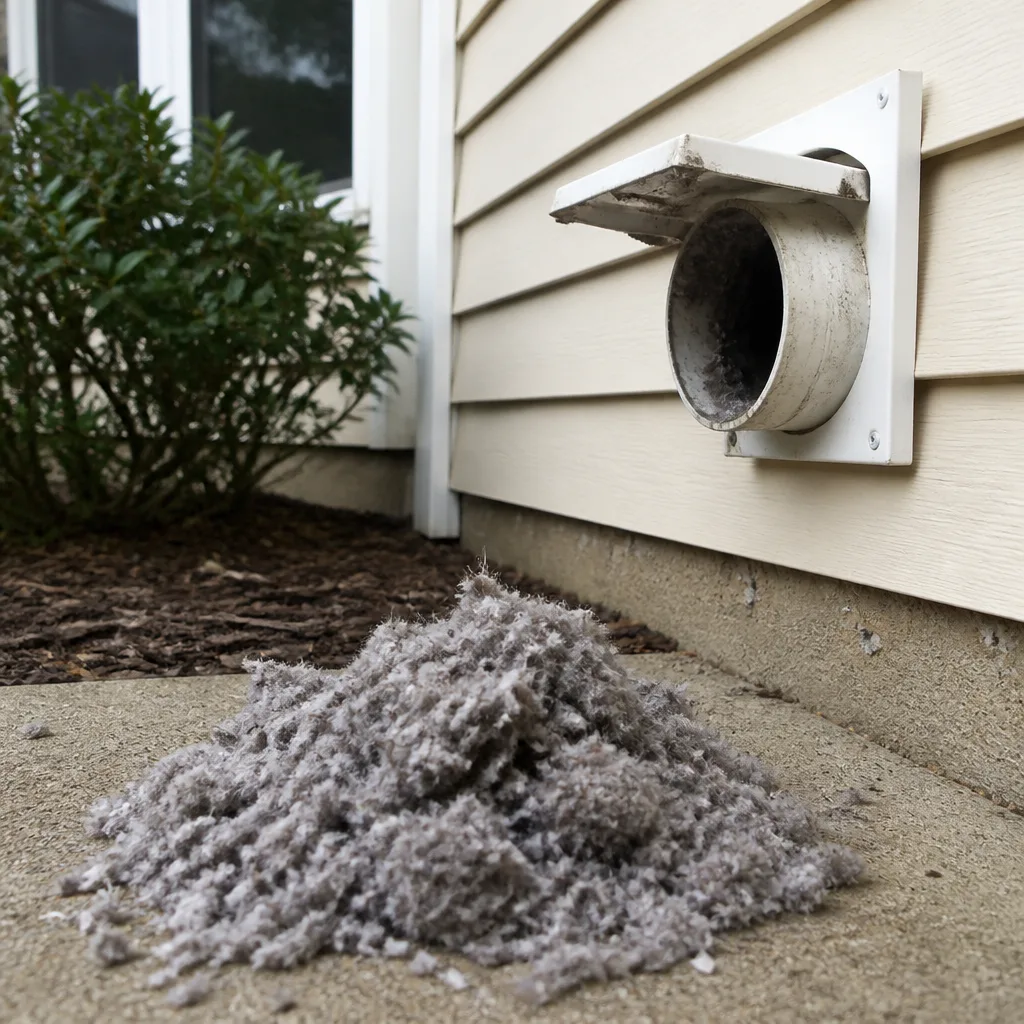 Dryer vent cleaning
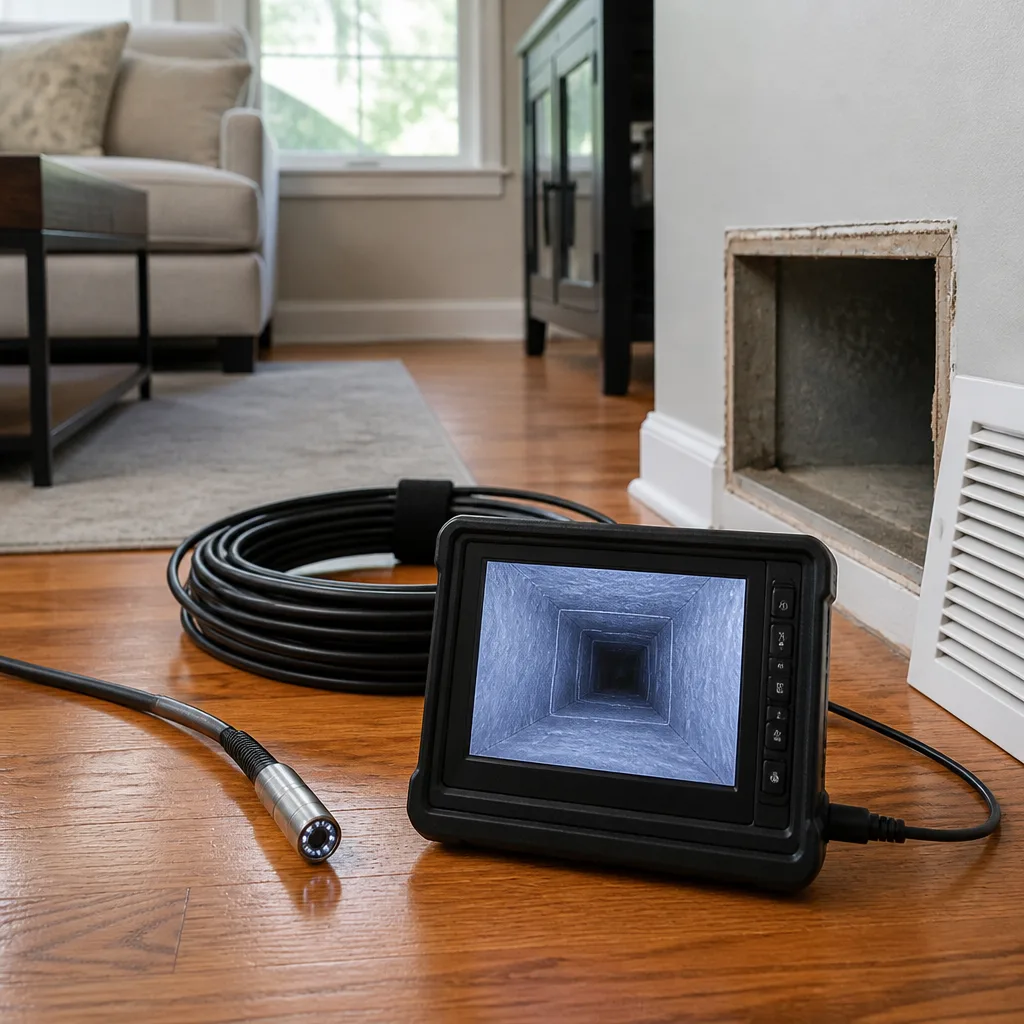 Camera inspection
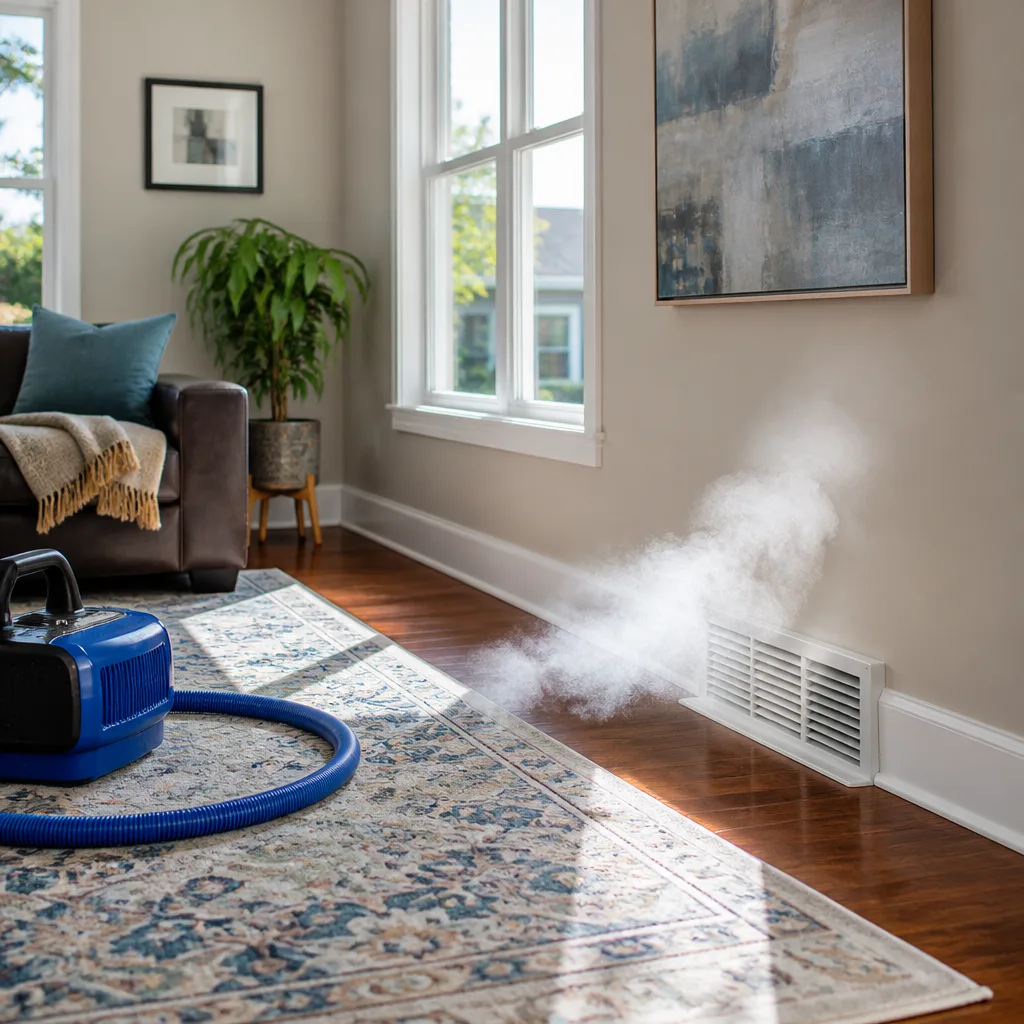 Sanitizing & deodorizing
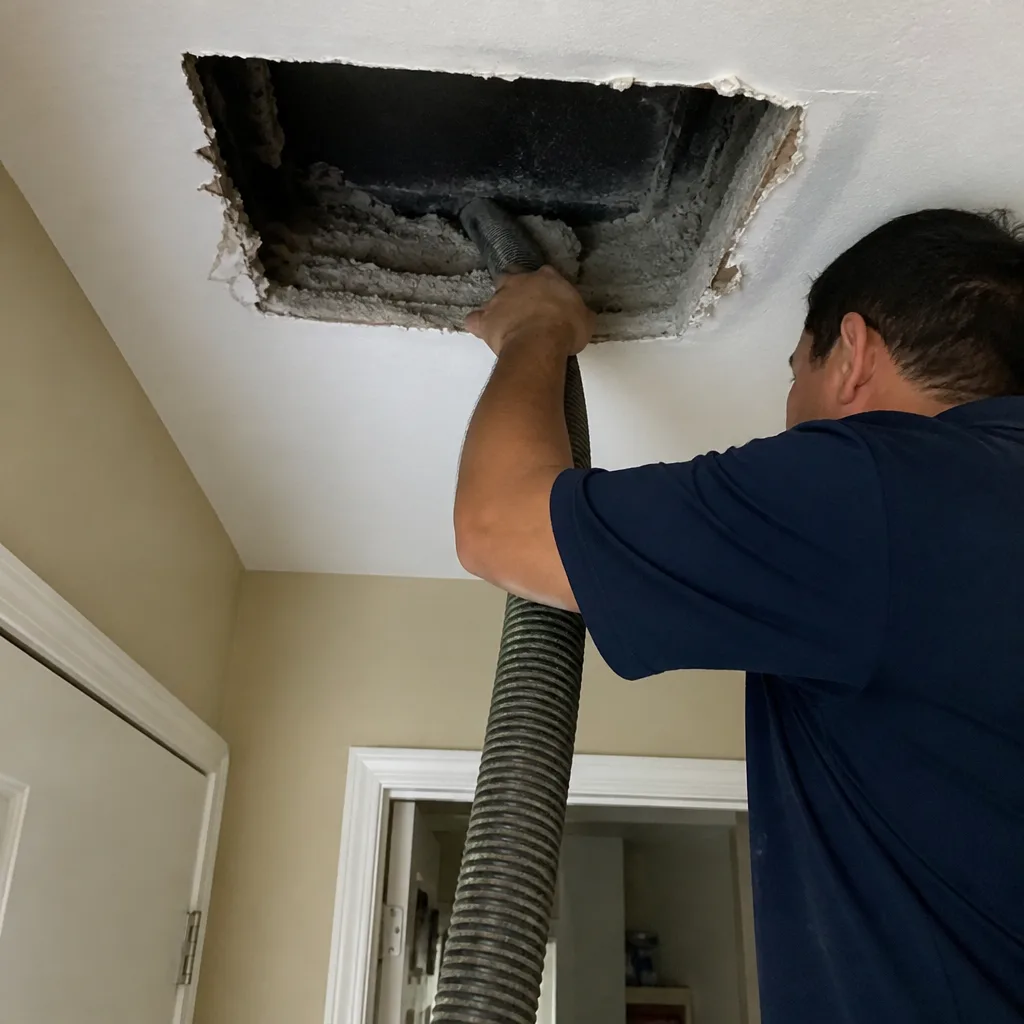
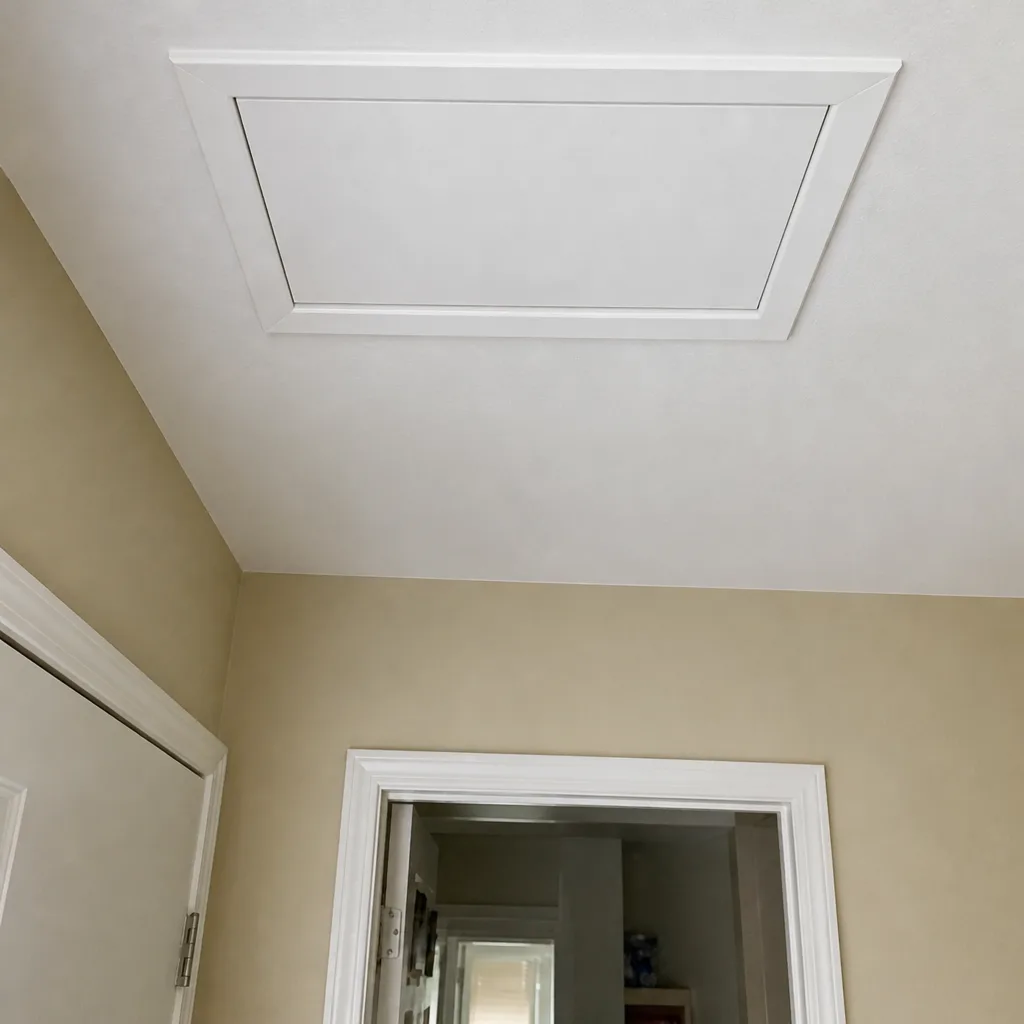
Whole-system duct and dryer vent check with before-and-after photos - you see exactly what came out of your vents
That "$99 whole-house special" is a bait ad - the real number appears once they are in your hallway, or the "clean" is a shop-vac at the register. We photograph the inside of your ducts before and after instead.
Choosing the Right Air Duct Cleaning Brand: A Buyer’s Guide for Boca Raton
There is no Consumer Reports for air duct cleaning companies. No standardized output metric homeowners can compare across quotes. That’s the uncomfortable truth behind every “best air duct cleaning company Boca Raton” search. The variable that actually determines whether your ducts come out cleaner than they went in isn’t the logo on the van or the number of stars on a review page. It’s the equipment a company runs, the indoor air quality brands they service, and whether they can handle what they find once they’re inside your system. This guide walks you through how to evaluate all three, so you can choose a Boca Raton air duct cleaning company on substance instead of marketing.
Quick Answer
To choose the right air duct cleaning brand in Boca Raton, evaluate three things in order: the equipment (professional-grade systems like Rotobrush or Nikro that agitate and extract, not just suction), the indoor air quality products and brands the company services, and whether they can repair damaged ductwork rather than only clean it. A company that only cleans creates a second-contractor problem the moment something is torn or leaking. Ask about equipment, training, and repair capability before you look at price.
Styles & brands we work with
- Whole-home duct cleaning
- Dryer vent cleaning
- Camera inspection
- Sanitizing & deodorizing
Table of Contents
- Why “Brand” Means Something Different in Duct Cleaning
- How to Evaluate a Company’s Equipment Stack
- IAQ Product Brands: Certification Versus Private Label
- The Second-Contractor Problem With Cleaning-Only Companies
- What NADCA Membership Actually Signals
- Questions to Ask About Technician Training
- What a Real Professional Job Looks Like
- Boca Raton-Specific Considerations
Why “Brand” Means Something Different in Duct Cleaning
In most home service categories, brand recognition tracks closely with the work. You can walk into a kitchen a plumber renovated and see the quality. Duct cleaning hides its work inside sealed metal and flex duct, so brand reputation becomes a proxy for something you can’t see. That’s exactly why the proxy fails.
The brand decision in Boca Raton air duct cleaning isn’t a choice between national franchises. It’s an evaluation of the specific equipment, indoor air quality products, and service capabilities a company brings into your home. Those variables determine the outcome far more than any name on the truck. A franchise with a strong marketing budget and a weak equipment stack will leave your ducts in worse shape than a smaller specialist running the right tools.
Here’s what a homeowner can realistically verify before booking:
- Which cleaning systems the company uses, by name
- Whether they offer repair in addition to cleaning
- Which indoor air quality brands they service or install
- Whether technicians receive duct-specific training
- Whether they can show you before-and-after photos of your own ducts
Every one of those is answerable in a five-minute phone call. None of them require trusting a review page. If a company can’t name their equipment or describe their training in plain terms, that tells you something, and it’s not flattering. This guide covers each item in depth, with Boca Raton-specific context layered in where it changes the calculation.
How to Evaluate a Company’s Equipment Stack
Duct cleaning equipment falls into two functional categories: agitation tools that loosen debris and vacuum systems that extract it. A company needs both working together. Suction alone lifts what’s sitting loose on the duct floor and leaves the adhered material behind. Agitation alone just stirs the problem.
Agitation tools: air whips, rotary brushes, and why it matters
Two main agitation approaches exist in residential work. Air whips use compressed air to flail a line inside the duct and knock debris loose. Rotary brush systems use a spinning brush head to physically scrub duct walls, which is particularly effective on adhered biofilm and dust matting common in systems that have gone years without service. The distinction isn’t academic. Brush-based systems, like the Rotobrush and Nikro platforms, physically contact and agitate debris before extraction. That’s meaningfully different from a suction-only pass, and it’s the single biggest equipment question to ask.
Vacuum systems and source containment
A commercial-grade vacuum with strong airflow and a HEPA or equivalent filtration stage matters because duct cleaning that spreads debris into your living space has accomplished nothing. The vacuum should connect to the duct system in a way that maintains negative pressure, so loosened material travels into the collection unit rather than into your rooms. Ask whether the vacuum uses HEPA filtration. Airflow ratings matter, but filtration and containment matter more.
Camera inspection capability
Ask whether the company carries inspection cameras for before-and-after documentation. A camera lets the technician confirm the duct is actually clean rather than assuming. It also surfaces problems a cleaning pass won’t fix, like disconnected flex runs, crushed sections behind a bend, or debris that’s accumulated in a spot the agitation tool can’t reach. In our experience across Boca Raton homes, camera inspection is the difference between cleaning a system and understanding it.
- Ask which agitation system they use, by name.
- Ask whether the vacuum uses HEPA filtration.
- Ask whether debris is contained at the source.
- Ask for before-and-after photos of your own ducts.
- Walk away if any of those questions draw a vague answer.
If the technician can’t walk you through all five, the equipment stack is probably weaker than the marketing suggests.
IAQ Product Brands: Certification Versus Private Label
Indoor air quality products, including filtration upgrades, media cabinets, and air purification units, get sold alongside duct cleaning more often than homeowners expect. Some of that upsell is legitimate and useful. Some of it is a private-label product with no independent performance data attached to it.
The distinction matters when a company suggests adding filtration or sanitization to your duct cleaning. Brands like Aprilaire, Honeywell, and Abatement Technologies carry verifiable product lines with published specifications. Private-label products without published performance data often rely on vague claims. Ask three questions before agreeing to any IAQ add-on:
- Does this product carry independent certification or published performance data?
- What specific contaminant does this address in my system?
- What maintenance does the product require over time?
Sanitization is the murkiest part. “Sanitizing” a duct system means different things depending on the product and application. Some systems apply an EPA-registered antimicrobial agent; others apply something less regulated. Ask exactly what product is being applied, whether it’s registered for use in HVAC systems, and whether the home has anyone with sensitivities. A legitimate company will answer all of those directly. A company dodging the question with “it’s a proprietary formula” is telling you the formula isn’t the point, the sale is.
Our approach treats IAQ products as an extension of ductwork service. We work with Honeywell, Aprilaire, and Abatement Technologies systems because those brands have verifiable specifications and honest documentation. That matters when a homeowner is trying to make a decision from inside their own house, without a lab bench in the driveway. If a company only cleans ducts and doesn’t understand IAQ products, they can’t evaluate whether your filtration setup is doing what it should.
For a deeper look at the service that anchors all of this, see our page on air duct cleaning.
The Second-Contractor Problem With Cleaning-Only Companies
A cleaning-only company creates a predictable failure mode. They arrive, open the ducts, and find something wrong: a disconnected run in the attic, flex duct crushed behind a joist, a boot improperly sealed, or a tear in the duct that’s been dumping conditioned air into a wall cavity. The vacuum can’t fix any of those. The cleaning-only company finishes the cleaning and tells the homeowner to call someone else for the repair.
That handoff does real damage. The homeowner pays twice for access to the same system. Two contractors each take their own reading of the problem and may disagree. And the repair company has no incentive to confirm the cleaning was done thoroughly, since cleaning isn’t their business. What full-service should look like is a single accountable visit: cleaning, repair, and any IAQ equipment work done by the same technician who’s already inside the duct system.
Ask any Boca Raton air duct cleaning company two questions on this front:
- Do you repair damaged or leaking ductwork, in-house?
- If you find a disconnected run or crushed section, what happens next?
A company that offers repair as part of core service answers both cleanly. A cleaning-only company doesn’t. When evaluating, also confirm whether the technician doing the work is the one who quoted the job, whether they’re trained in duct systems specifically (as opposed to general HVAC), and whether the company services the specific IAQ brands in your home. Companies that only clean often lack all three capabilities.
Boca Raton homes built during the 2000s boom, particularly in the neighborhoods west of I-95, tend to have duct systems now well into the age where flex duct gets crushed or disconnected. So do older homes in the city’s east side where duct systems were retrofitted in at various points. That means a cleaning-only company servicing Boca Raton is more likely to hit a repair situation mid-job than one servicing a newer construction market.
What NADCA Membership Actually Signals
NADCA, the National Air Duct Cleaners Association, publishes a performance standard (ACR, the Assessment, Cleaning and Restoration standard) that gives the industry a common definition of what a proper cleaning involves. Membership doesn’t make a company great, but it signals engagement with those process standards and a willingness to be measured against them.
Two things to do with that signal. First, ask directly whether the company is a NADCA member. Second, verify it independently rather than taking the answer at face value. NADCA maintains a member lookup on their public website, and a company’s claim is easy to check. A membership claim that can’t be verified is worth exactly as much as no claim.
What NADCA membership does not do: it doesn’t guarantee equipment quality, doesn’t mean every technician is trained to a specific standard, and doesn’t include any enforcement mechanism a homeowner can trigger if the work is sloppy. Treat membership as one input in a larger decision. A company without NADCA membership might still do excellent work with the right equipment. A company claiming membership that they don’t actually hold should be disqualified, because a false claim on something verifiable tells you everything you need to know about the rest.
Also ask whether the technicians hold any additional certification, such as the Air Systems Cleaning Specialist credential. That’s an individual credential specific to duct work rather than general HVAC, and it’s the fastest way to confirm a technician was trained in the discipline you’re paying for.
Questions to Ask About Technician Training
Brand capability gets filtered through the technician standing in your hallway. A company with the right equipment and a poorly trained tech delivers the wrong result. The training question is straightforward to ask and difficult to fake convincingly:
- Who trains your technicians, and to what standard?
- Does the person quoting the job also do the work, or is there a handoff?
- How are technicians trained specifically on duct systems, not general HVAC?
- Do they hold any individual credentials for duct cleaning?
- What’s the typical experience level of the technician coming to my home?
That last question matters more than most homeowners realize. A technician who’s been working inside duct systems for years reads a home differently than one who’s been working for months. Our technicians have up to 8 years of experience, which is the range we’d want to hear about when we’re advising a homeowner what to ask. Notice the framing, though: it’s about technician experience, not company history. A company’s years in operation tells you almost nothing about whether the person arriving knows what they’re doing.
The “who quotes, who works” question catches a lot of companies. If the salesperson generating the estimate isn’t the person doing the cleaning, ask why. Sometimes it’s a legitimate structure. Sometimes it means the quote was designed to maximize add-ons rather than match the actual work needed. In either case, you should know the answer before the visit is scheduled.
Every one of these questions is legitimate. Any company that gets defensive about them is signaling that the answer isn’t flattering.
What a Real Professional Job Looks Like
Knowing what a proper cleaning involves helps you evaluate the company doing it. Here’s the sequence a full professional job should follow, plus the places where shortcuts show up.
- Inspection first. Camera or visual inspection of accessible duct runs before any cleaning. This establishes what’s actually there and what approach it needs.
- Seal and contain. Registers and returns are covered, the vacuum connects to the system, and the working area is contained before work starts.
- Source the vacuum correctly. The vacuum connects in a way that maintains negative pressure through the system so debris travels into the collection unit, not into living space.
- Agitate each run, don’t just blow air through it. Brush or air-whip every accessible run, working from the trunk toward the register.
- Clean components. Blower motor, drain pan, and accessible evaporator coil area are checked and addressed as part of the service.
- Verify with a camera or visual check. Before-and-after documentation of the actual duct interior, not just the register cover.
- Report repair findings. Disconnected runs, crushed flex duct, and failed sealant get flagged with a clear description of what needs fixing and why.
The most common shortcuts: skipping the agitation step and calling suction a “cleaning,” connecting the vacuum without containment so loosened dust spreads, and never opening a camera. All three happen. All three leave homeowners believing ducts were cleaned when they weren’t.
For a full picture of what duct service should include at a system level, our Ashton Air Duct Cleaning page walks through the full service catalog. The system-level view matters because duct cleaning, repair, and dryer vent service all interact. A company servicing only one of those three creates gaps the others can’t fill.
Boca Raton-Specific Considerations
Boca Raton’s climate shapes duct cleaning differently than a northern market. The combination of sustained humidity, year-round air conditioning, and long cooling seasons means condensation inside ductwork is a routine reality rather than a seasonal exception. That’s not a crisis, but it does affect what to watch for.
Moisture in ductwork supports microbial growth more easily than dry ductwork. A duct system with insufficient insulation on the supply runs, or a duct system where condensation accumulates at the boot connections, is more likely to develop visible growth at duct transitions. That makes camera inspection more valuable here than in a dry climate, and it makes repair capability more relevant. A duct problem that’s letting humid air into a conditioned space in Boca Raton creates conditions the same problem wouldn’t create in Tucson.
Boca Raton also spans a wide housing range. Older neighborhoods on the city’s east side, including the areas around Camino Real and Federal Highway, contain homes with duct systems installed or retrofitted across decades, and those systems show their age. Neighborhoods west of I-95, including developments built in the 1990s and 2000s, tend to have higher-efficiency systems with flex duct runs that are now entering the age where crushed sections and disconnected boots are common. Both cases benefit from a company that can clean and repair in the same visit.
For a specific look at service in this city, our Boca Raton page covers neighborhood-level context. If you’re managing a property in a condo or HOA setting, ask about access and containment procedure before the visit is scheduled, since building rules around HVAC access vary.
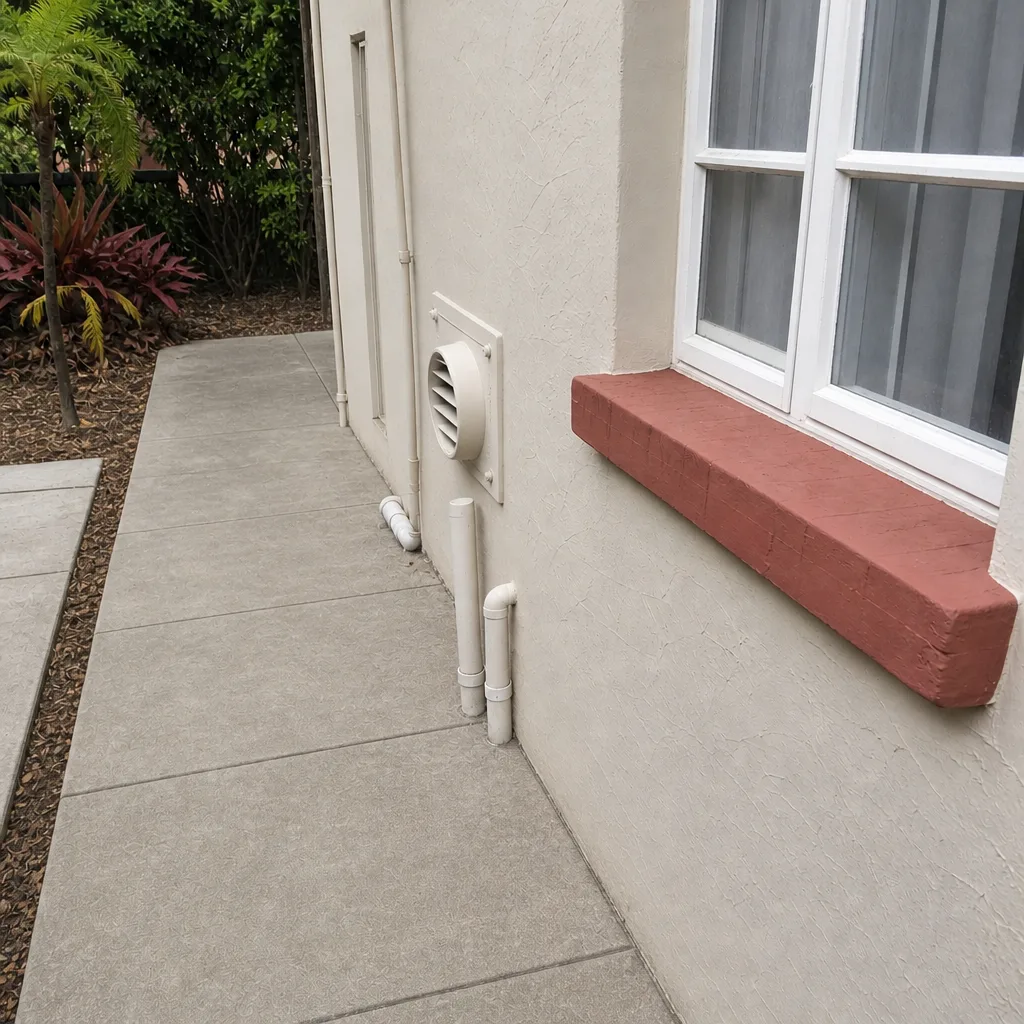
Dryer vent cleaning is included in our core services because a dryer vent is a fire-safety system as much as it is a maintenance item. Lint accumulation in a vent is the leading cause of dryer-related house fires, and a vent run that’s vented through a wall cavity or an exterior chase can’t be evaluated from the outside. If you’re booking duct cleaning in Boca Raton, ask whether dryer vent service is included in the visit and how they verify the vent is clear. See our dryer vent cleaning page for the details on this service on its own.
Common Mistakes to Avoid
- Choosing on price alone. A duct cleaning quote that’s dramatically lower than the rest usually reflects a lighter equipment stack or a suction-only pass. Ask what the lower price actually buys before accepting it.
- Not asking about repair capability. A cleaning-only company leaves you calling someone else the moment a duct is torn or disconnected. Confirm repair is part of core service before booking.
- Accepting a sanitization add-on without product details. If you can’t get a straight answer on which product is being applied and what it’s registered for, don’t add the service.
- Skipping the camera verification. A company that doesn’t offer before-and-after photos of your actual ducts is asking you to trust an outcome you can’t see. That trust isn’t warranted in a category with this much variability.
- Trusting a NADCA membership claim without verifying. Check the public member directory. It takes two minutes and it filters out a lot of claims that don’t hold up.
- Not accounting for Boca Raton’s humidity. A duct system in this climate benefits from inspection-focused repair, not only cleaning. Disconnected or condensed-on runs matter more here than in dry markets.
- Ignoring the dryer vent. A homeowner focusing only on air ducts often leaves a safety system unaddressed. Ask whether the visit covers dryer vent service too.
See the difference
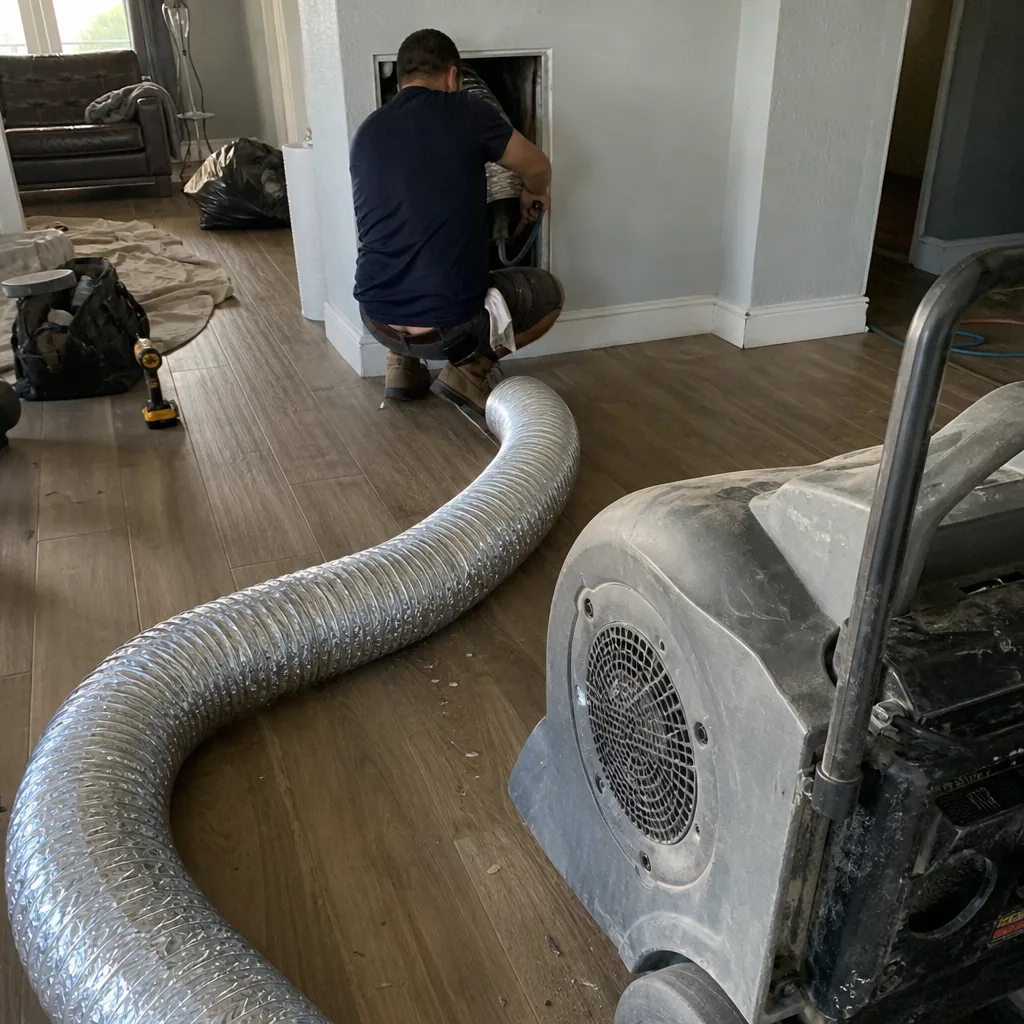 Before
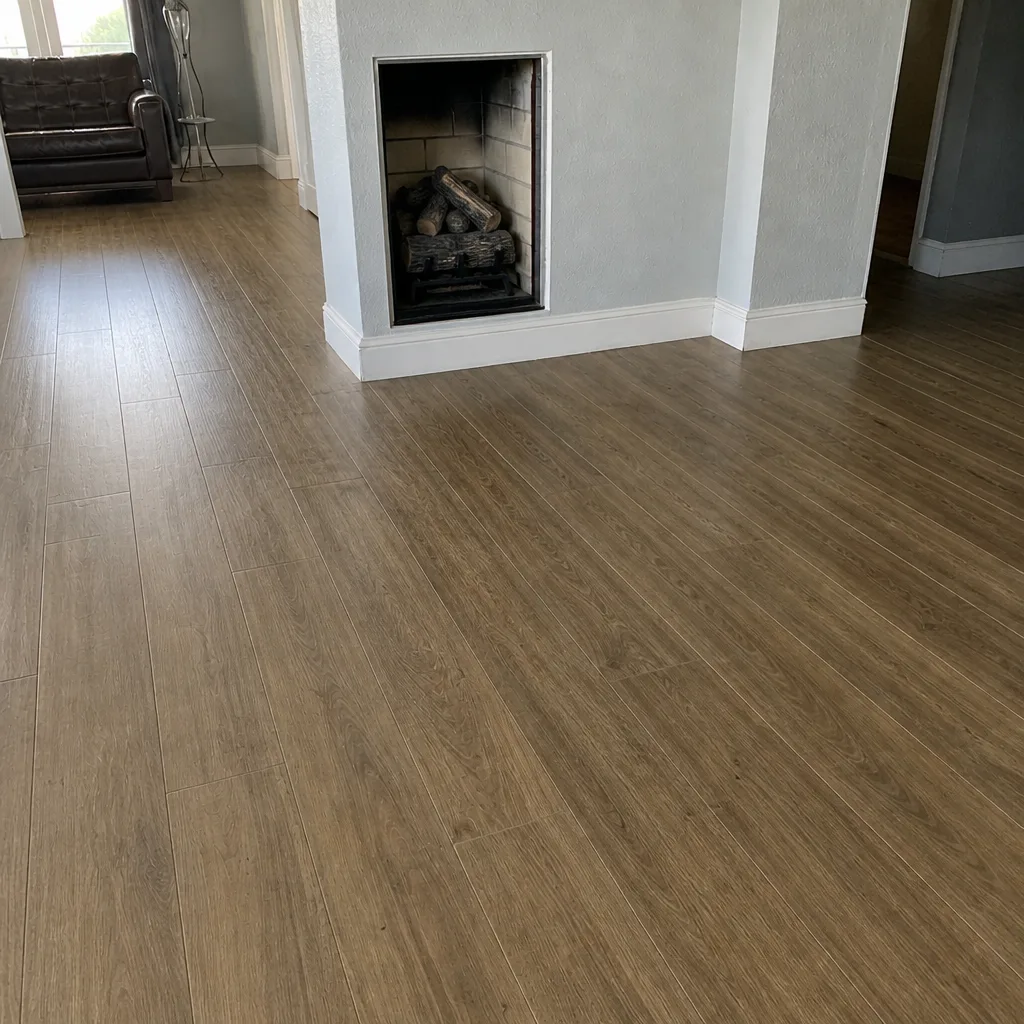 After
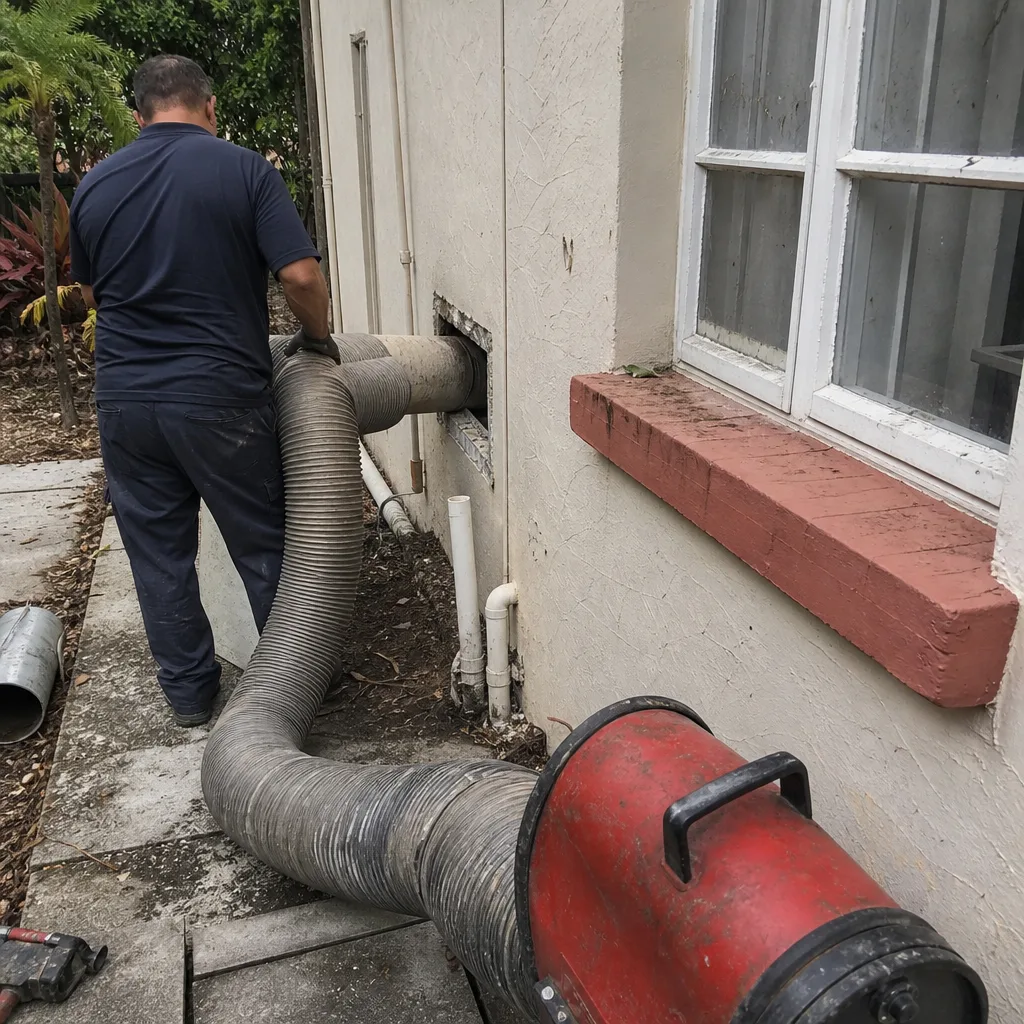 Before
 After
 Before
 After
When to Call a Professional
Duct cleaning isn’t an emergency service, but several situations warrant a professional call rather than waiting. Visible dust puffing out of registers when the HVAC first starts up is a sign the system has accumulated material that’s recirculating. Persistent musty or stale odors from the vents are worth investigating. Recent renovation work, particularly drywall or flooring, sends fine particulate into the ducts whether or not the system was running during the work. A home purchase is another trigger: if you don’t know the last time the ducts were cleaned, it’s worth having someone check. Allergy season in Boca Raton, with its long pollen period, is also when homeowners most often notice something is off. So is any visible sign of moisture or growth around a register or boot. If you’re unsure whether your situation warrants a visit, a phone call to sort it out is a reasonable first step.
Ashton Air Duct Cleaning offers free estimates in Boca Raton – call (888) 894-0255. We answer 24/7. Fast dispatch from 7am to 7pm, Sunday through Friday, and we’re closed Saturday.
Frequently Asked Questions
There isn’t one “best” company by an objective measure, because no standardized output metric exists across duct cleaning. The right company is the one whose equipment stack, IAQ brand partnerships, repair capability, and technician training all check out against your specific home. Evaluate those four items first, then compare price. We’re happy to be evaluated on exactly those terms, and our estimate is free.
Pricing in duct cleaning should be set as one flat price per system, agreed before work starts, in a written estimate. That structure protects the homeowner from the bait-and-switch coupon model where a low advertised number becomes a much larger invoice once the technician is on site. Ask for the estimate in writing before the visit. Call (888) 894-0255 for a free estimate specific to your home.
Lower quotes usually reflect a lighter equipment stack, a suction-only pass that doesn’t agitate adhered debris, or skipping camera verification entirely. The price is lower because the work is less. That’s not automatically dishonest, but a homeowner should know what they’re actually paying for before accepting. A written estimate that describes the equipment and process gives you the comparison point.
Ask for before-and-after photos of your own ducts, not stock photos from a marketing page. Camera documentation is the only way a homeowner can see inside sealed ductwork, and a company using professional equipment should be able to provide it. If a company can’t document the work, that’s a sign. We document each visit that way as standard.
They’re separate services, but they’re both worth addressing in the same visit when the timing lines up. Dryer vent lint is the leading cause of dryer-related house fires, and it’s not something a homeowner can fully evaluate from outside the wall. Ask whether a company offers both, since combining them avoids a second visit. We service both as part of core service.
Timing depends on the home, not on a fixed calendar. Visible debris at registers, musty odors, recent renovation, a new home purchase, or persistent allergy symptoms are the triggers to watch. A home with pets, recent construction, or a duct system with known leaks benefits from a more frequent check. If your situation doesn’t fit any of those, calling a company for an honest read is a fine starting point. Call (888) 894-0255 for a free estimate and an assessment of your specific system.
The Bottom Line
The best air duct cleaning company in Boca Raton isn’t determined by brand recognition or coupon price. It’s determined by equipment (professional-grade systems like Rotobrush or Nikro that agitate and extract), IAQ brand engagement (Honeywell, Aprilaire, and Abatement Technologies service capability), repair capability (a company that can fix what they find rather than hand off to a second contractor), and verified training. Those four check out, and the dryer vent service is included, and you’ve answered the question. Those four don’t check out, and price is irrelevant. Ask the questions in this guide before booking. The answer will be clear.
Ashton Air Duct Cleaning is a full-service indoor air quality specialist offering air duct cleaning, dryer vent cleaning, and duct repair under one roof, so you don’t need to call a second contractor. We use Rotobrush and Nikro professional-grade equipment and work with Honeywell, Aprilaire, and Abatement Technologies systems. Our technicians have up to 8 years of experience, and we’re licensed and insured. Call (888) 894-0255 for a free estimate. We answer 24/7. Fast dispatch from 7am to 7pm, Sunday through Friday, and we’re closed Saturday.
Written by the team at Ashton Air Duct Cleaning.