
Last updated November 15, 2026
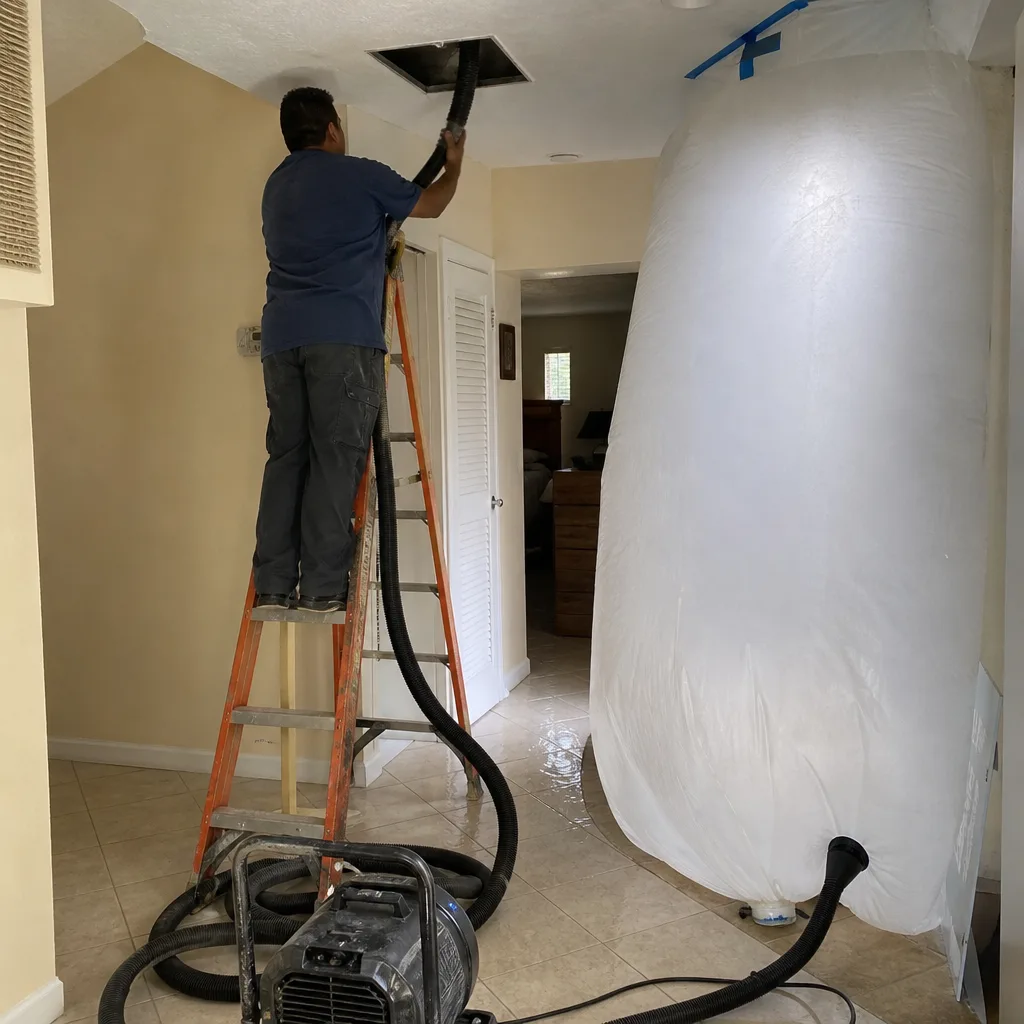
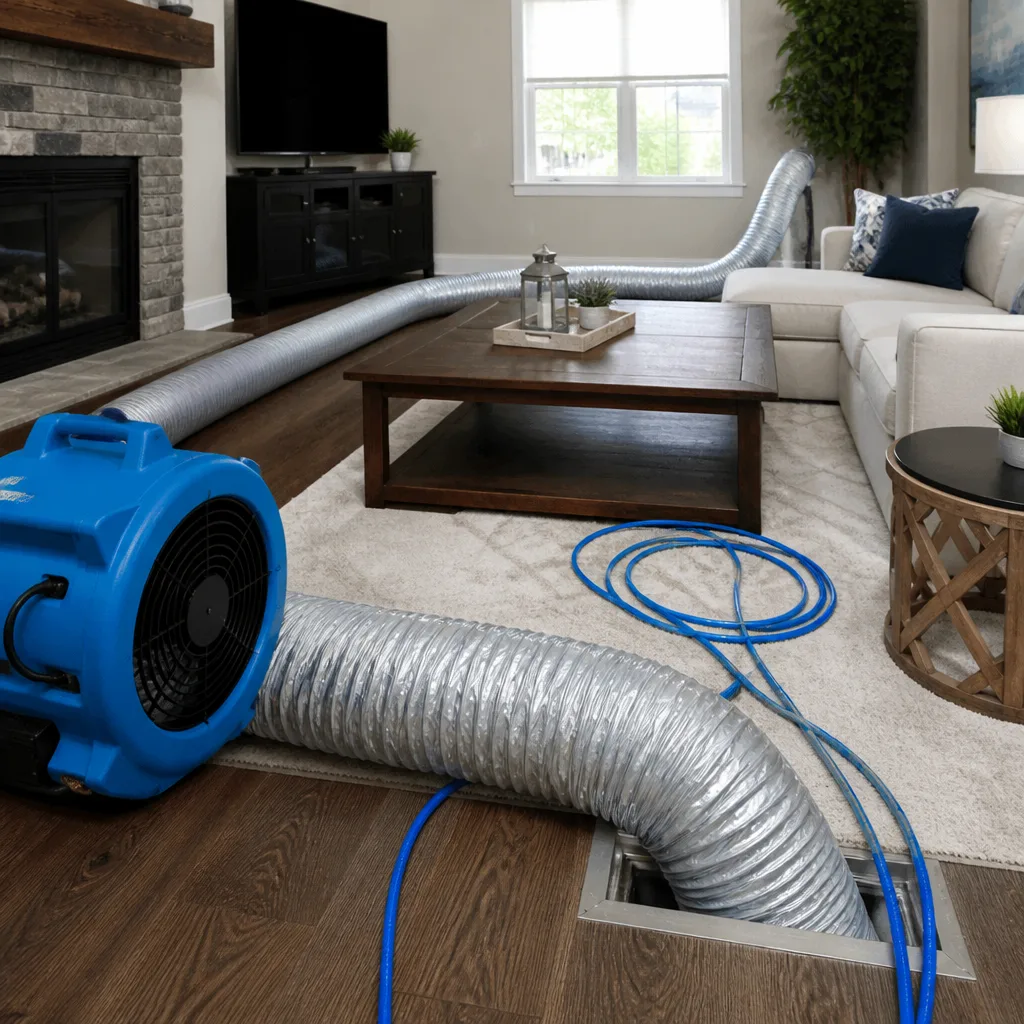 Whole-home duct cleaning
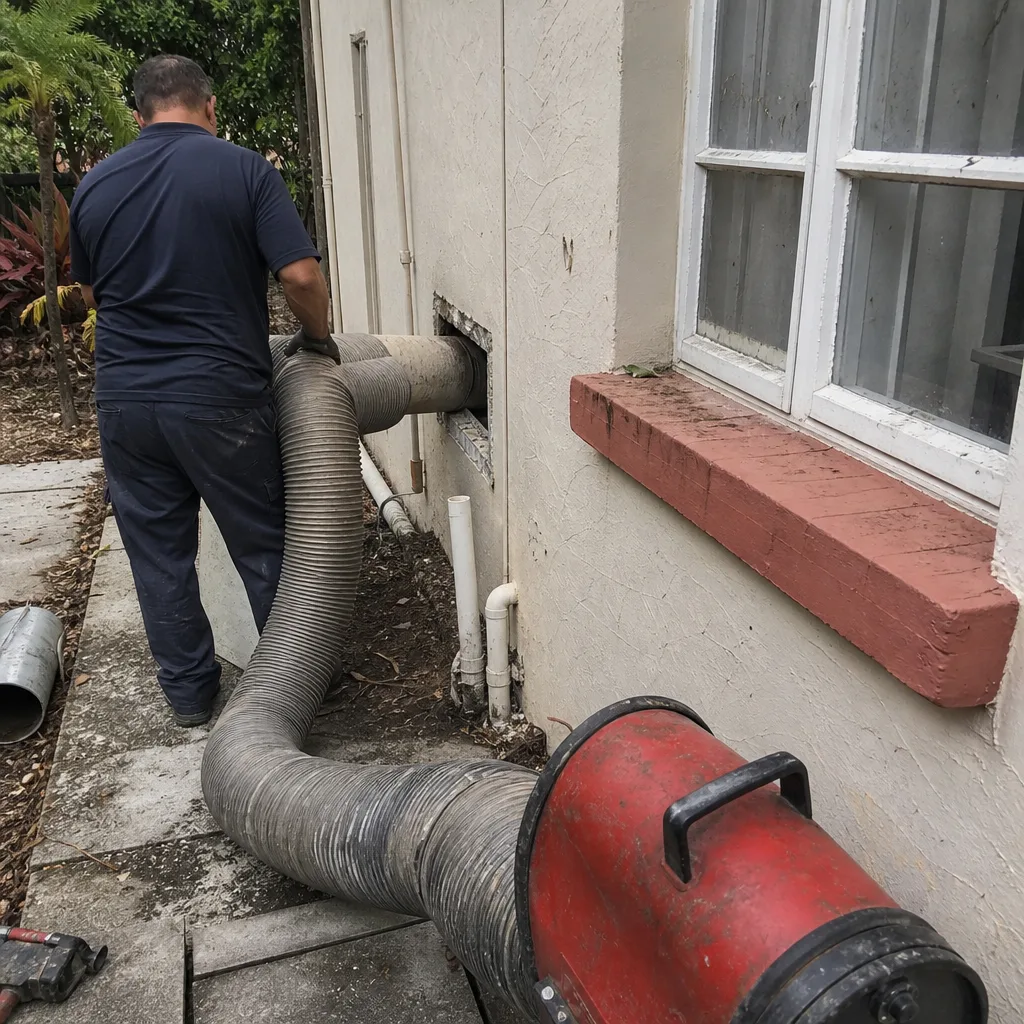
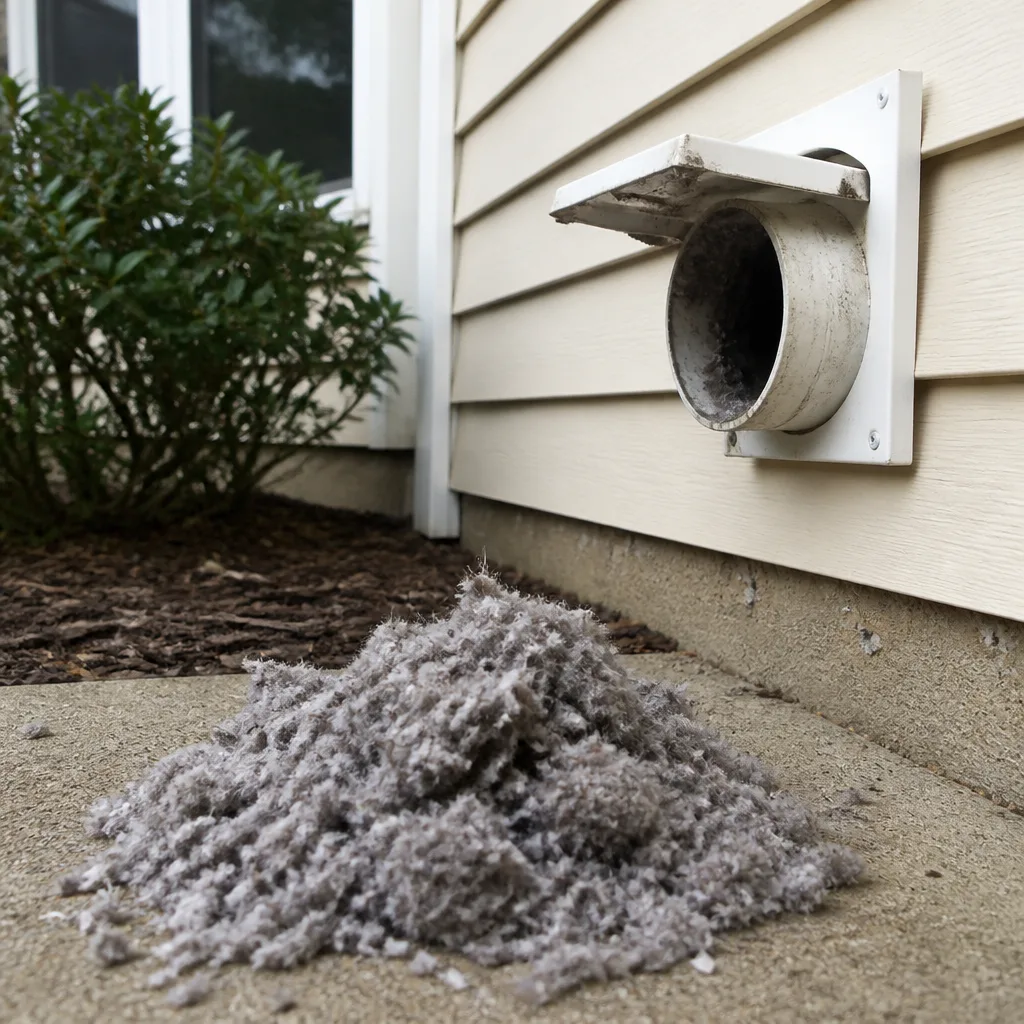 Dryer vent cleaning
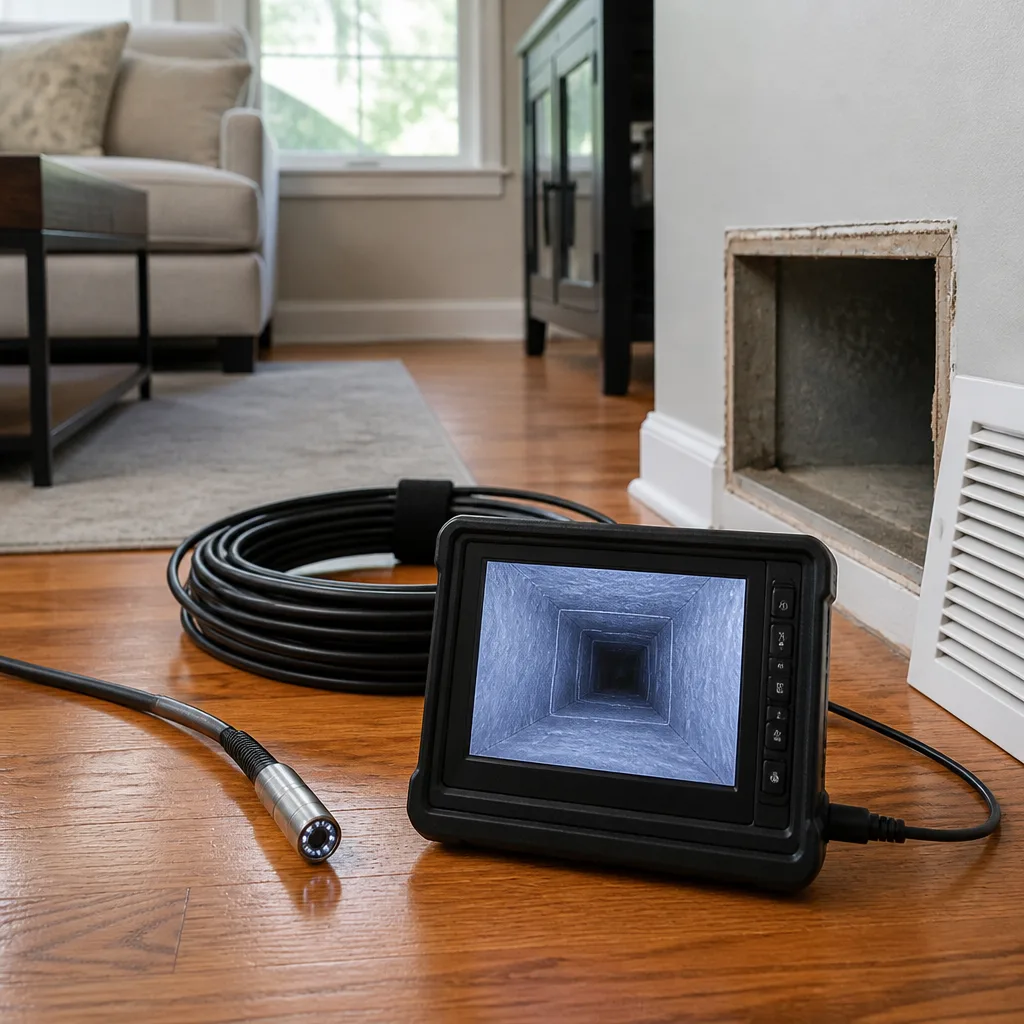 Camera inspection
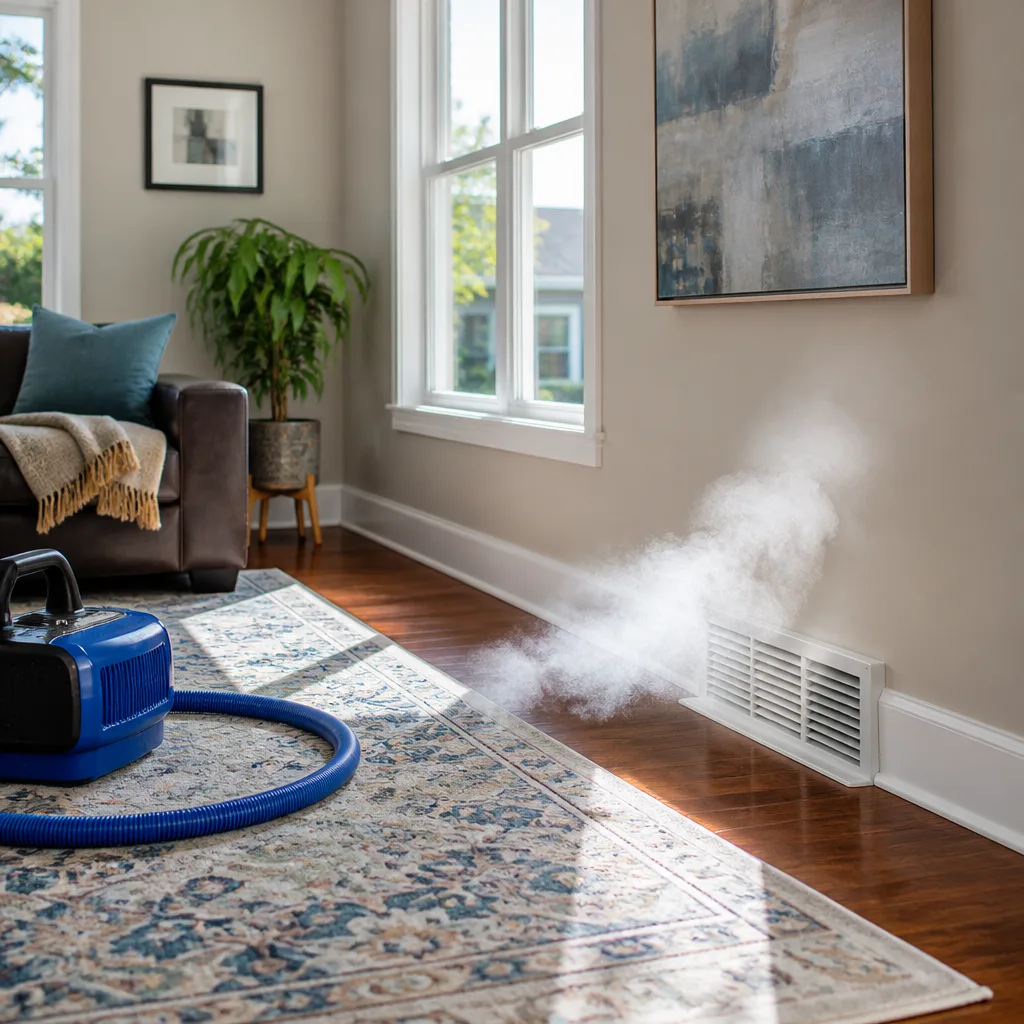 Sanitizing & deodorizing
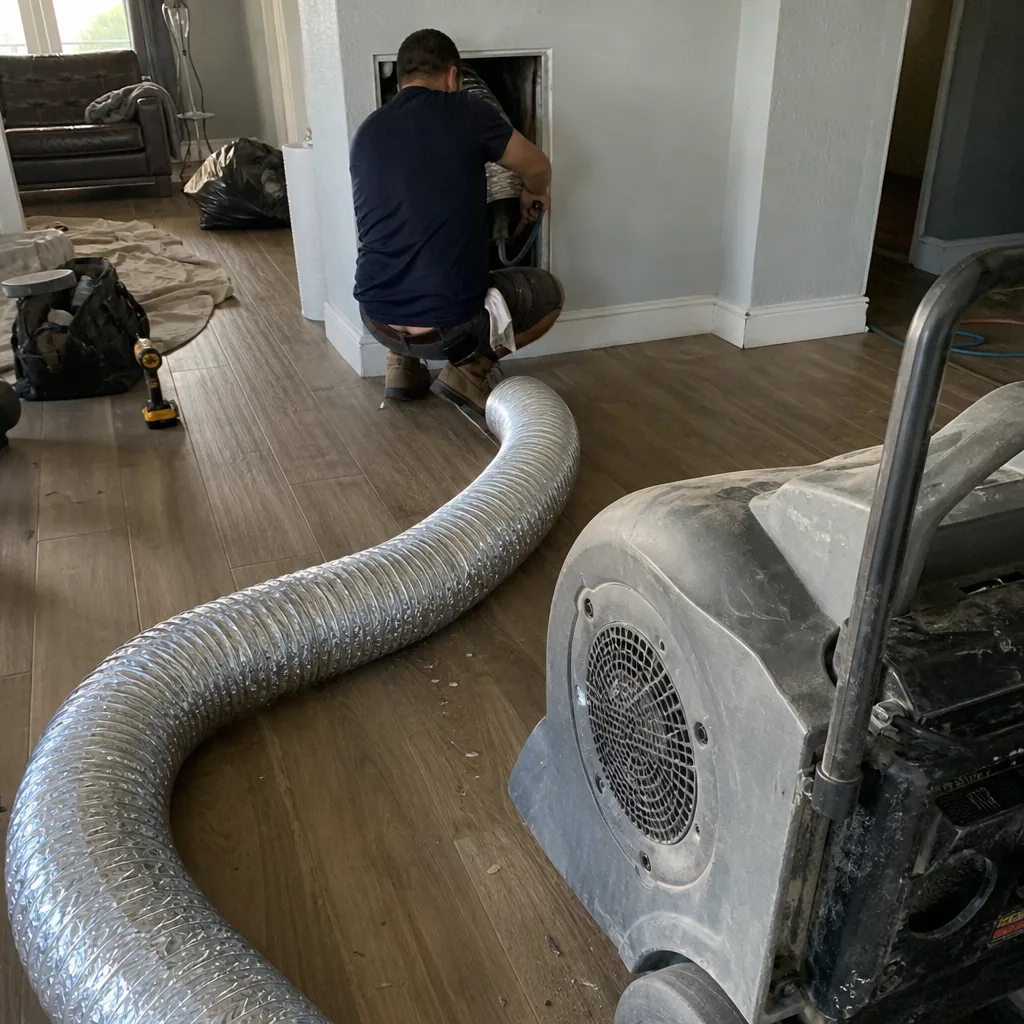
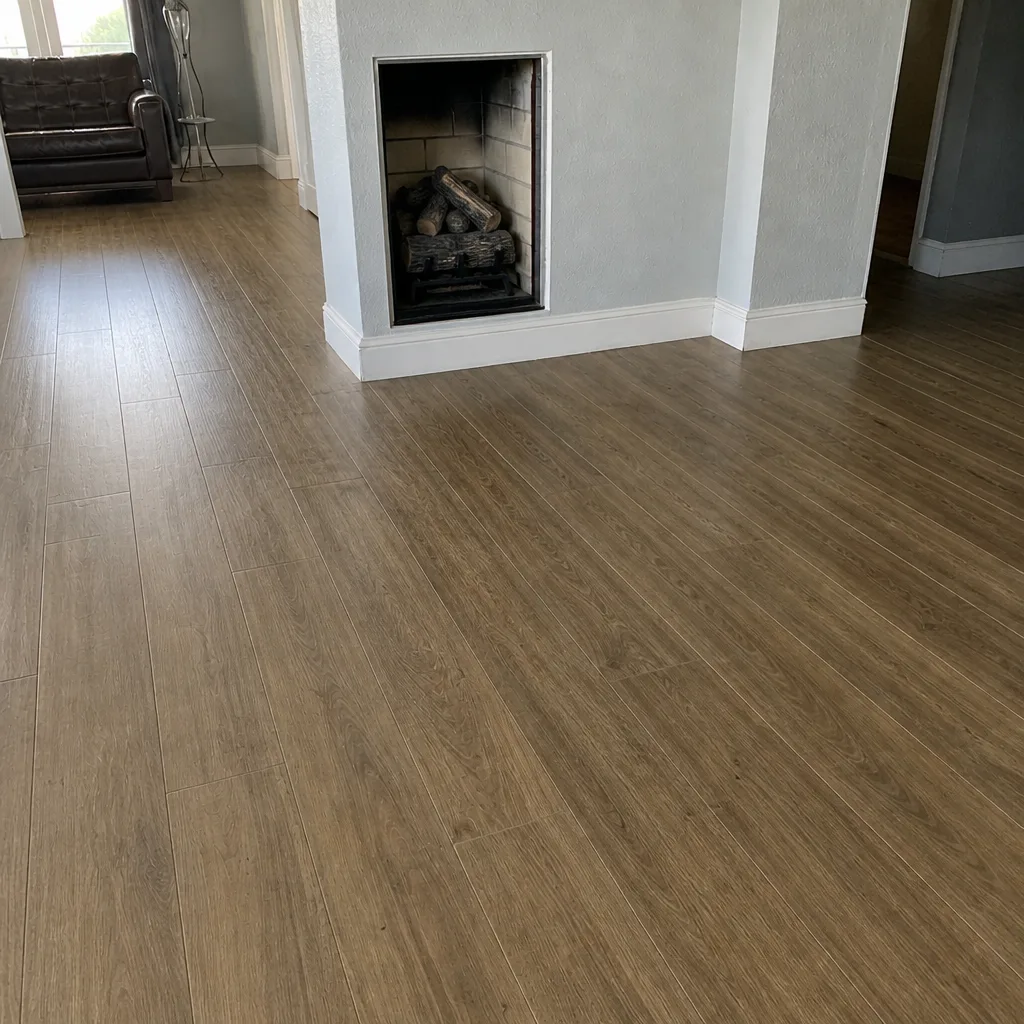
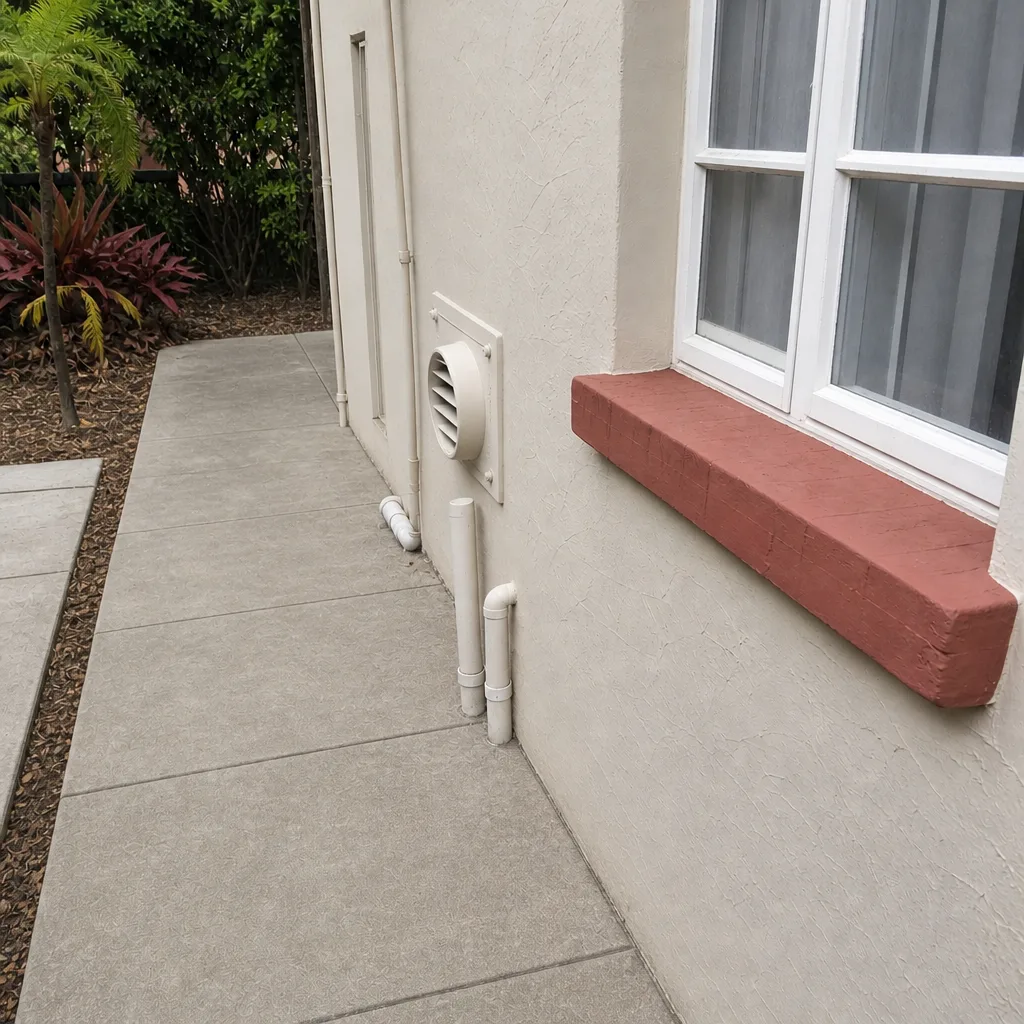
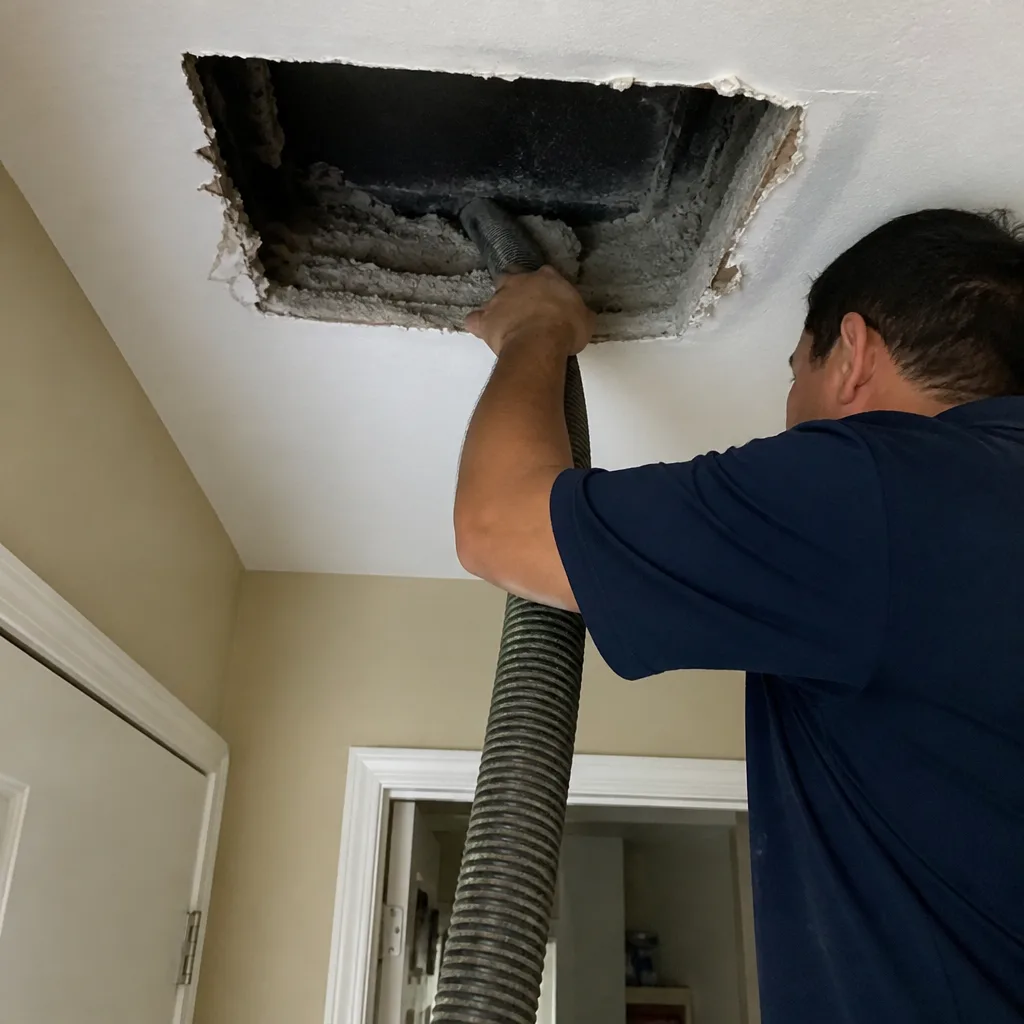
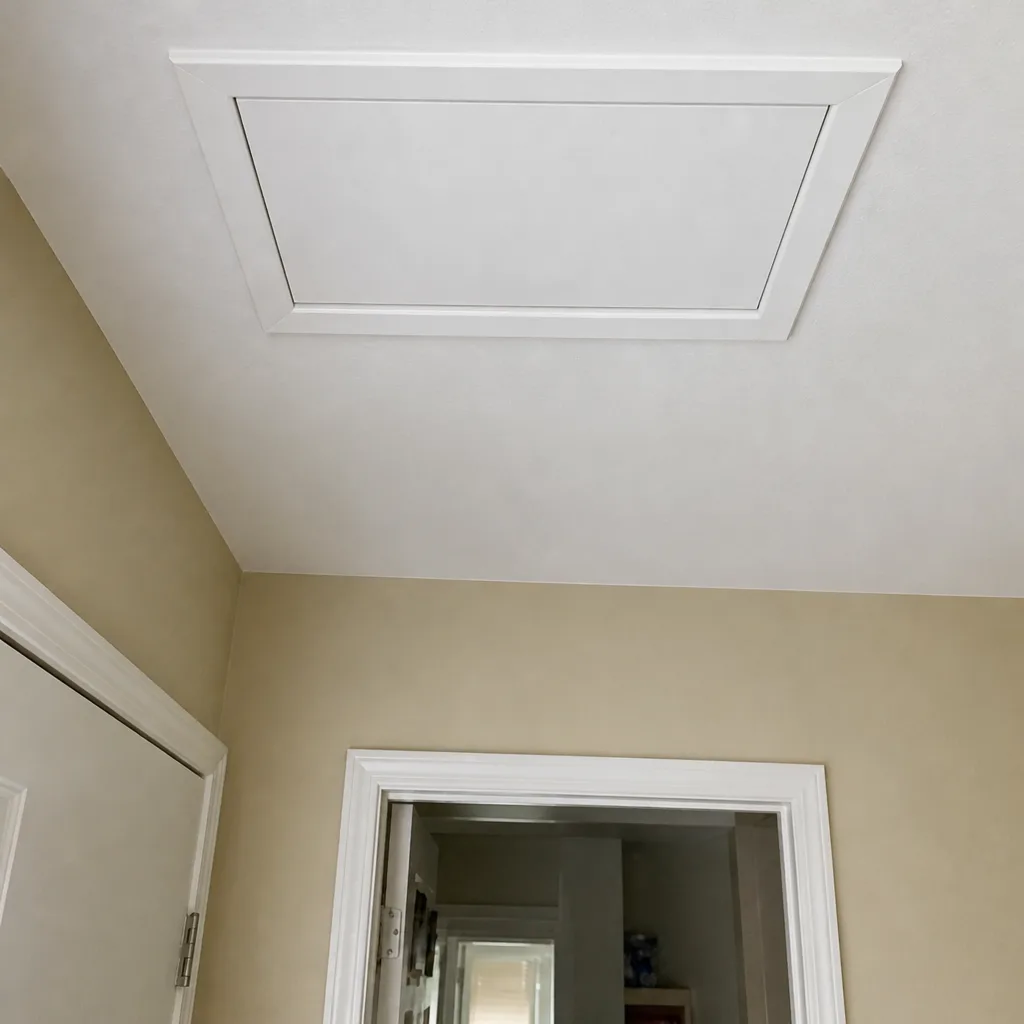
Whole-system duct and dryer vent check with before-and-after photos - you see exactly what came out of your vents
That "$99 whole-house special" is a bait ad - the real number appears once they are in your hallway, or the "clean" is a shop-vac at the register. We photograph the inside of your ducts before and after instead.
Air Duct Cleaning Permits, Codes & Inspections in Boca Raton, FL: What You Need to Know
Here’s the misconception we hear most often: homeowners assume that because duct cleaning is routine maintenance, nothing else in the job could possibly require a permit. That’s only half true. Cleaning a duct system, by itself, doesn’t trigger a permit in Florida. But the moment a technician cuts into a duct run, replaces a section of flex duct, seals a plenum, resizes a return, or reconnects a trunk line, that work falls under the state’s HVAC code and may need a permit before anyone touches it. Conflating cleaning with repair is how homeowners end up with unpermitted work that resurfaces at resale or after a failed inspection. This guide draws the exact line, explains what the Florida Building Code and Palm Beach County actually regulate, and shows you how to protect yourself in Boca Raton when both cleaning and repair are on the table.
Quick Answer
Air duct cleaning alone does not require a permit in Florida. Air duct repair that modifies, replaces, or reconnects ductwork is regulated HVAC work under the Florida Building Code, and in Palm Beach County a licensed contractor must pull the permit before that work begins. If a company tells you a repair “doesn’t need a permit,” verify that claim with the local building department before work starts.
Styles & brands we work with
- Whole-home duct cleaning
- Dryer vent cleaning
- Camera inspection
- Sanitizing & deodorizing
Table of Contents
- Cleaning vs. Repair: Where the Permit Line Falls
- What the Florida Building Code Actually Requires
- The Palm Beach County Permit Process for Duct Work
- Who Is Licensed to Pull the Permit?
- How to Request Documentation That Separates Cleaning From Repair
- What Happens if Unpermitted Duct Work Is Discovered
- The Remediation Path in Boca Raton
- Why Boca Raton Homes See This Issue More Often
Cleaning vs. Repair: Where the Permit Line Falls
The distinction is simpler than most people expect, but it’s rarely explained clearly. Cleaning removes debris from inside a duct system that stays in place. Repair changes the physical system – its shape, its connections, its routing, or its material. One is maintenance. The other is construction work under the mechanical code.
Here’s what typically falls on each side of the line.
Routine cleaning and maintenance (no permit)
- Mechanical agitation of duct interiors with rotary equipment and negative-pressure extraction
- Cleaning of supply and return registers, boots, and grilles
- Cleaning of the air handler cabinet exterior and accessible plenum surfaces
- Replacing standard air filters
- Dryer vent cleaning – a separate system from the HVAC ductwork and a fire-safety service in its own right
Repair and modification work (permit likely required)
- Replacing a collapsed, crushed, or torn section of flex duct
- Rerouting a duct run or adding a new supply or return
- Resizing ductwork to correct airflow problems
- Sealing duct joints with mastic or approved sealant where the duct assembly is altered
- Reconnecting a disconnected trunk line or plenum
- Replacing rigid duct board sections or damaged metal duct
The trap is that a cleaning job often uncovers one of the items on the second list. A technician working a Boca Raton home finds a crushed return in an attic chase and offers to fix it on the spot. If that repair happens without a permit where one is required, the homeowner now owns a code issue they didn’t know they had. We’ve walked into plenty of Boca Raton attics where a prior “quick fix” turned into a bigger conversation at inspection time, and it’s always cheaper to do the repair correctly the first time. If you’re scheduling air duct cleaning, ask up front how the company handles repairs discovered mid-job. That one question tells you a lot about how they operate.
What the Florida Building Code Actually Requires
The Florida Building Code, in its Mechanical chapter, governs the installation, alteration, repair, and replacement of HVAC systems and their duct distribution. The core principle is straightforward: work that alters the mechanical system requires a permit and inspection, while maintenance that keeps a system functioning as originally installed does not.
What that means in practical terms:
- Alteration triggers review. Replacing duct sections, changing duct sizing, or reconfiguring a run is an alteration to the mechanical system and falls under the code’s permit provisions.
- Maintenance is exempt. Cleaning, filter changes, and minor service that don’t change the system’s configuration sit outside the permit requirement.
- Energy code rides along. Florida’s energy provisions apply to duct work in unconditioned spaces like attics and garages. When duct sections in those spaces are replaced, the code expects proper sealing and insulation on the new work – which is another reason the permit process exists.
- Local amendments apply. Palm Beach County and the City of Boca Raton enforce the Florida Building Code with their own administrative procedures, and the building department is the authority on what a given job needs.
HVAC work in Florida is also governed by state licensing law. Contractors who perform mechanical work must hold the appropriate state license – a Class A or Class B air conditioning license, or a mechanical contractor license, depending on scope. That licensing layer is separate from the permit itself, and it’s the part homeowners most often forget to check.
One honest caveat: code language changes, local interpretations vary, and a specific job can hinge on details we can’t see from a website. That’s why the right move is always a direct call to the building department with the specific scope of work in hand. We’re giving you the framework here so you know what questions to ask.
The Palm Beach County Permit Process for Duct Work
When duct repair or replacement does require a permit, here’s how the process generally runs in Palm Beach County and the City of Boca Raton. Exact steps and fees are set by the jurisdiction, so treat this as the shape of the process rather than a fixed checklist.
- Scope of work is defined. The contractor writes out exactly what will be replaced, rerouted, or sealed, including quantities and locations. A vague “duct repair” line won’t pass review.
- The licensed contractor applies for the permit. The permit is pulled under the contractor’s state license, not the homeowner’s name. If a company can’t pull it, that tells you something about their licensing.
- Plans and product information are submitted. Depending on scope, the building department may want duct layout details, product data for flex duct or duct board, and confirmation that energy code requirements for ducts in unconditioned spaces are addressed.
- Permit is issued and work is scheduled. The permit number goes on record for the property.
- Rough-in inspection happens before ducts are closed up. The inspector verifies the installation before it’s concealed.
- Final inspection closes the permit. Once signed off, the work is legally recorded on the property.
For Boca Raton properties, the city’s building department handles permits within city limits, while unincorporated areas fall to Palm Beach County. If you’re unsure which jurisdiction covers your address, the building department can confirm it with your parcel number.
What this process protects is mostly you. A permitted, inspected duct repair shows up as a record on your property. When you sell, that record answers the buyer’s inspector before the question is even asked.
Who Is Licensed to Pull the Permit?
Only a properly licensed mechanical or air conditioning contractor can pull a permit for HVAC duct work in Florida. A cleaning company that isn’t licensed for mechanical work cannot legally permit a repair, no matter how confident the technician sounds on site.
Here’s what to verify before any repair is scheduled:
- State license type. Ask for the license category and confirm it covers mechanical work, not just cleaning or janitorial services.
- License verification. The Florida Department of Business and Professional Regulation maintains a public license lookup. Check the number there yourself.
- Insurance. General liability coverage for the work being performed. A legitimate contractor will provide documentation on request.
- Who files the permit. Confirm in writing that the contractor will pull the permit if the scope requires one. Don’t accept “we’ll take care of everything” without the permit number.
This is where a genuinely useful service distinction matters. Many duct cleaning companies clean and nothing more – they have no mechanical license, no repair capability, and no permit path. At Ashton Air Duct Cleaning, we offer air duct repair alongside cleaning because the two problems show up together so often. When repair is part of the job, the scope of any regulated work gets identified and handled through the correct channel rather than improvised in an attic. Cleaning, repairs, and dryer vent service all run through the same accountable visit, which is a big part of why we built the service lineup the way we did.
How to Request Documentation That Separates Cleaning From Repair
The most reliable protection you have is a written scope of work that clearly separates what is cleaning from what is repair. Ask for it before any job begins, and ask for it again if a technician finds something mid-job.
Here’s what to request, in order:
- A written estimate with line items. “Clean duct system” is one line. “Replace 12 feet of crushed flex return in attic, including mastic sealing at both connections” is a different line entirely. You want the second kind of specificity.
- Confirmation of what requires a permit. Ask the contractor to state in writing whether the repair scope requires a permit under the Florida Building Code. If the answer is no, ask them to note that in the estimate and then confirm it yourself with the building department.
- Before-and-after documentation. This is a separate safeguard for cleaning quality. Before-and-after photos of your own ducts let you see what was actually pulled out of the system rather than taking anyone’s word for it.
- A single flat price per system, agreed before work starts. This is where the industry’s bait-and-switch reputation comes from. A coupon price that becomes a larger invoice once the technician is on site is the oldest trick in the book. A flat price per system, not per vent, agreed in writing before work begins, solves that problem before it can happen.
- The permit number when applicable. If the work is permitted, the number should appear on your paperwork, and you can verify it with the jurisdiction.
That combination – written line items, a stated permit position, photos you can see, and a flat price per system – covers all the common failure points. If you’re working with Broward or Palm Beach County neighbors on similar projects, the same documentation standards apply. For a look at how we approach dryer vent cleaning, you’ll see the same written scope approach, because that service has its own safety dimension and no room for guesswork.
What Happens if Unpermitted Duct Work Is Discovered
Unpermitted duct work surfaces in three main ways: at a home sale inspection, after a homeowner insurance claim involving the HVAC system, or during a later permitted project when the inspector notices work that was never recorded.
What happens next is procedural but manageable.
- The inspector flags the work as unpermitted. This shows up as a correction item, not a legal catastrophe, but it does halt the process it’s attached to – most often a sale closing.
- An as-built or retroactive permit is required. The building department will typically require the homeowner to apply for a retroactive permit so the existing work can be inspected and brought into compliance.
- The work may need correction before sign-off. If the original installation doesn’t meet code – incorrect duct material, missing sealing, improper supports – the inspector will require corrections before the retroactive permit closes.
- Timeline is set by the jurisdiction. Retroactive permits take time, and everything downstream of a real estate closing waits on the schedule the building department gives you.
- Costs fall to the property owner. There’s no way to shift the expense to the contractor who did the unpermitted work if they’ve moved on or can’t be found.
The whole problem is avoidable. In our experience, homeowners who insisted on a written scope and a permit position at the start never get to this stage. It’s the ones who accepted a verbal “that doesn’t need a permit” who do.
This is also where the licensed-and-insured detail earns its keep. A licensed contractor’s own license is on the line when they pull the permit for work they perform. That’s a very different accountability structure than a company with no mechanical license giving verbal assurances and moving on to the next call.
The Remediation Path in Boca Raton
If you’ve discovered unpermitted duct work in a Boca Raton home – most often during a pre-sale inspection or when a buyer’s inspector flagged something – here’s the path we’d walk you through.
- Pull the actual inspection report. Understand exactly what was flagged and why. Some items are clean-up items, some are true code violations. The distinction matters for what comes next.
- Contact the City of Boca Raton building department. Confirm the specific permit type required for the flagged work and ask what documentation they want. If the property is in unincorporated Palm Beach County, contact the county building department instead.
- Get the existing work evaluated by a licensed mechanical contractor. Before the retroactive permit is filed, someone with the right license needs to look at the actual installation and determine what, if anything, needs to be corrected to meet code.
- File the retroactive permit with the licensed contractor. The contractor of record handles the permit application and any corrections.
- Complete corrections, request inspection, close the permit. The property now has a clean record, and the next buyer’s inspector will find nothing to flag.
The remediation process is less scary than it sounds, but it does take time and a licensed contractor who knows their way through it. If you’re navigating this alongside a home sale, the biggest thing you can do is start the process early rather than waiting for a closing deadline. Call the building department first, then get a licensed evaluation. That sequence is what moves the file forward.
Why Boca Raton Homes See This Issue More Often
Duct work in Boca Raton attics lives in a demanding environment. Summers run long, humidity stays high, and attic temperatures climb well beyond what you’d find in the living space below. That’s the environment where flexible duct gets its real test.
What we see routinely in Boca Raton homes:
- Crushed and sagging flex duct. Flex duct that’s poorly supported or routed through tight chases collapses under its own weight and loses capacity. It’s one of the most common repair items we find.
- Condensation and moisture at boots and registers. High humidity plus a large temperature differential between the cooled supply air and the surrounding space means condensation forms at connection points. Poorly sealed boots mean moisture where it doesn’t belong.
- Sun-baked attic duct runs. Ducts routed through attics that see direct sun throughout the day face thermal cycling that adds stress to connections and insulation.
- Older tract-home duct work. Boca Raton has a wide range of home vintages, and the duct materials used in older construction have often reached the end of their service life – which is when repair decisions come up.
- Mixed construction types. From single-family homes to condos and townhomes, the duct routing varies widely, and each configuration has its own points of failure.
The community mix matters too. From Boca West to Spanish River to the neighborhoods around Mizner Park, the housing stock spans decades. A duct system that’s fine in a newer build can be a repair candidate in a home built earlier, and that’s where the cleaning-versus-repair line becomes relevant to more homeowners than they expect.
Professional-grade equipment matters when you’re working in these conditions. Our technicians use Rotobrush and Nikro systems that agitate and extract debris mechanically rather than relying on suction alone, because in a humid climate the debris that sticks to duct walls doesn’t just fall away. We also service and work alongside equipment from Honeywell and Aprilaire, which means we’re looking at the whole air system – not just the duct interior. When you combine deep cleaning with repair capability and proper filtration, you cover the bases a single-purpose cleaning company can’t.
If you’re working with a Boca Raton property manager or real estate professional and want a broader view of the local market, our Boca Raton service area page covers the neighborhoods we work in and how we approach different property types.
Common Mistakes to Avoid
- Accepting a verbal “doesn’t need a permit.” If a technician tells you that at your door, don’t take it at face value. Call the Boca Raton building department and confirm the specific scope. A two-minute phone call protects you from a much larger headache later.
- Treating cleaning and repair as the same scope. Getting a single quote for “duct work” without separating cleaning from repair means you never know which part of the price is regulated work and which isn’t. Insist on line items.
- Choosing on price alone. The cheapest quote is often the one that skips the permit because they aren’t licensed to pull one. When you’re comparing quotes, ask the licensing question first, then compare prices.
- Not verifying the license yourself. A license number on a business card doesn’t mean much until you’ve looked it up. The Florida DBPR public lookup is quick and gives you the actual status and scope of the license.
- Skipping the before-and-after photos. Without photos of your own ducts before and after, you have no way to verify what was removed. Ask for them every time. It’s a reasonable ask, and any professional-grade company will provide them.
- Waiting until closing to address unpermitted work. If you suspect prior work was unpermitted in a Boca Raton home, start the remediation process early. Building departments are responsive, but the timeline isn’t yours to set.
- Forgetting the dryer vent. Dryer vent cleaning is a separate system and a separate service, and it lives outside the duct cleaning permit conversation entirely. Many homeowners bundle it in only when they learn it’s a fire-safety service in its own right. Don’t let it go years without attention.
See the difference
 Before
 After
 Before
 After
 Before
 After
When to Call a Professional
Not every duct issue needs a call. But some do, and those are the ones that shouldn’t wait. Call us if you’re seeing loose or torn duct material in the attic, hearing air escaping at connections, noticing uneven airflow between rooms, or dealing with condensation forming at registers. Property managers should call when a unit changes hands, after a renovation, or when a tenant reports persistent odors that cleaning hasn’t addressed. Homeowners buying a Boca Raton property should call before closing if the inspection notes anything about duct work, so we can evaluate it and identify any repair scope before it becomes a permit problem. We use professional-grade Rotobrush and Nikro equipment on every job, and our technicians have up to 8 years of experience. Ashton Air Duct Cleaning offers free estimates in Boca Raton – call (888) 894-0255. We answer 24/7. Fast dispatch from 7am to 7pm, Sunday through Friday.
Frequently Asked Questions
No. Routine air duct cleaning – mechanical agitation, extraction, register cleaning, filter replacement – is maintenance and does not require a permit under the Florida Building Code. The permit requirement attaches to repair and modification work, not to cleaning. If a company tells you cleaning requires a permit, ask them to point to the specific code language. On the flip side, if they tell you a repair doesn’t need a permit, verify that with the building department before work begins. Call (888) 894-0255 for an exact quote – estimates are free.
Replacing duct sections, rerouting a run, resizing ductwork, reconnecting a plenum or trunk line, and adding new supply or return runs all typically require a permit through the appropriate jurisdiction – the City of Boca Raton if you’re within city limits, Palm Beach County if you’re in unincorporated areas. Alterations to duct work in unconditioned spaces like attics are also subject to Florida’s energy code provisions on sealing and insulation. The building department is the final authority on any specific scope, so confirm with them directly. Call (888) 894-0255 for an exact quote – estimates are free.
Only a licensed mechanical or air conditioning contractor with an active Florida license can pull an HVAC permit in Boca Raton. A cleaning company without that license cannot legally permit repair work, even if the technician performs the repair. Verify the contractor’s license through the Florida Department of Business and Professional Regulation before any repair begins. Insured and bonded contractors will provide documentation on request without hesitation.
Cleaning is priced per system, not per vent, so the total depends on the size of your system and its condition. We quote a flat price for the whole system before work begins, and that price is what you pay. The industry’s coupon-price-turned-bigger-invoice pattern comes from per-vent pricing and teaser figures, and it’s exactly what a flat system price avoids. Repair work, if needed, is quoted separately with line items so you can see what’s cleaning and what’s regulated repair. Call (888) 894-0255 for an exact quote – estimates are free.
Cheap quotes usually leave something out – either the equipment, the scope, or the licensing. A company that only cleans can’t repair, so their quote is lower because they’re selling a smaller service. A company without a mechanical license can’t pull a repair permit, so their “repair” work happens unpermitted or not at all. The right question isn’t “why is your quote higher,” it’s “what’s included in the cheaper one?” Call (888) 894-0255 for an exact quote – estimates are free.
Ask for before-and-after photos of your own ducts. That’s the simplest verification there is. Any professional-grade company using equipment like Rotobrush or Nikro will be able to provide photos showing what was removed and what the system looked like before and after. If a company can’t or won’t provide photos, that’s your answer. Call (888) 894-0255 for an exact quote – estimates are free.
Cleaning frequency depends on your home – pets, allergy concerns, recent renovations, and how much the system runs all affect it. Repair needs are separate and driven by condition: crushed flex duct, disconnected joints, and moisture at boots show up independently of how recently the ducts were cleaned. In Boca Raton, the humid summers and hot attics mean duct connections and insulation deserve a look whenever you’re having other HVAC work done. Call (888) 894-0255 for an exact quote – estimates are free.
The inspector will list it as a correction item, and the standard path is a retroactive permit through the responsible building department – City of Boca Raton within city limits, Palm Beach County outside of it. A licensed mechanical contractor evaluates the existing work, identifies any corrections needed to meet code, pulls the retroactive permit, and completes the corrections for inspection. The timeline is set by the jurisdiction, so starting early gives the closing the best chance of staying on schedule.
The Bottom Line
Cleaning and repair are two different services with two different code positions, and the entire confusion around duct permits in Florida comes from blurring them. Cleaning is maintenance. Repair, replacement, and modification are regulated mechanical work that may require a permit before anyone touches the system. Ask for a written scope that separates the two, verify what requires a permit with the City of Boca Raton or Palm Beach County, confirm the contractor’s license through the state, and ask for before-and-after photos. A single flat price per system agreed before work begins protects you from the bait-and-switch pattern that plagues this industry. If you want a straightforward evaluation that covers both cleaning and repair scope in one visit, call Ashton Air Duct Cleaning at (888) 894-0255 for a free estimate. Clean ducts. Repaired ducts. Done right.
Written by the team at Ashton Air Duct Cleaning.