
Last updated November 15, 2026
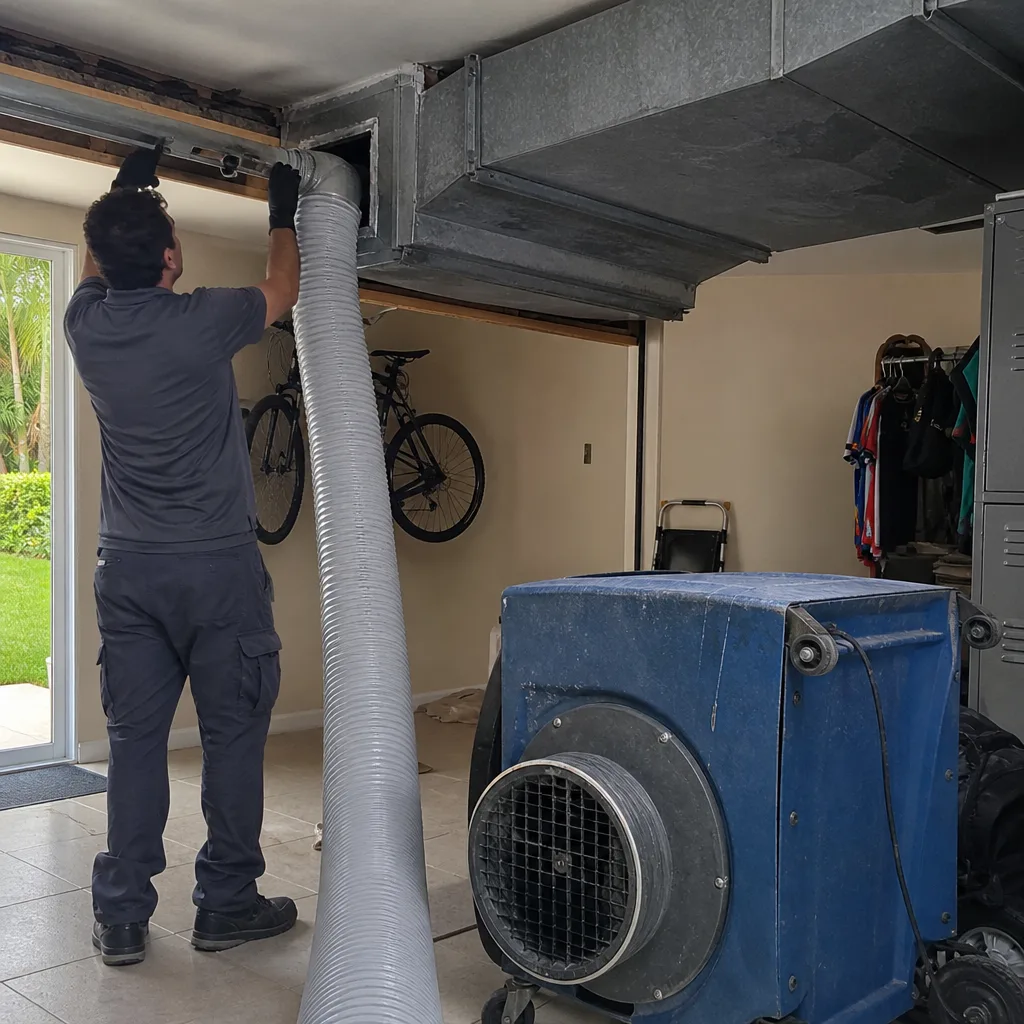
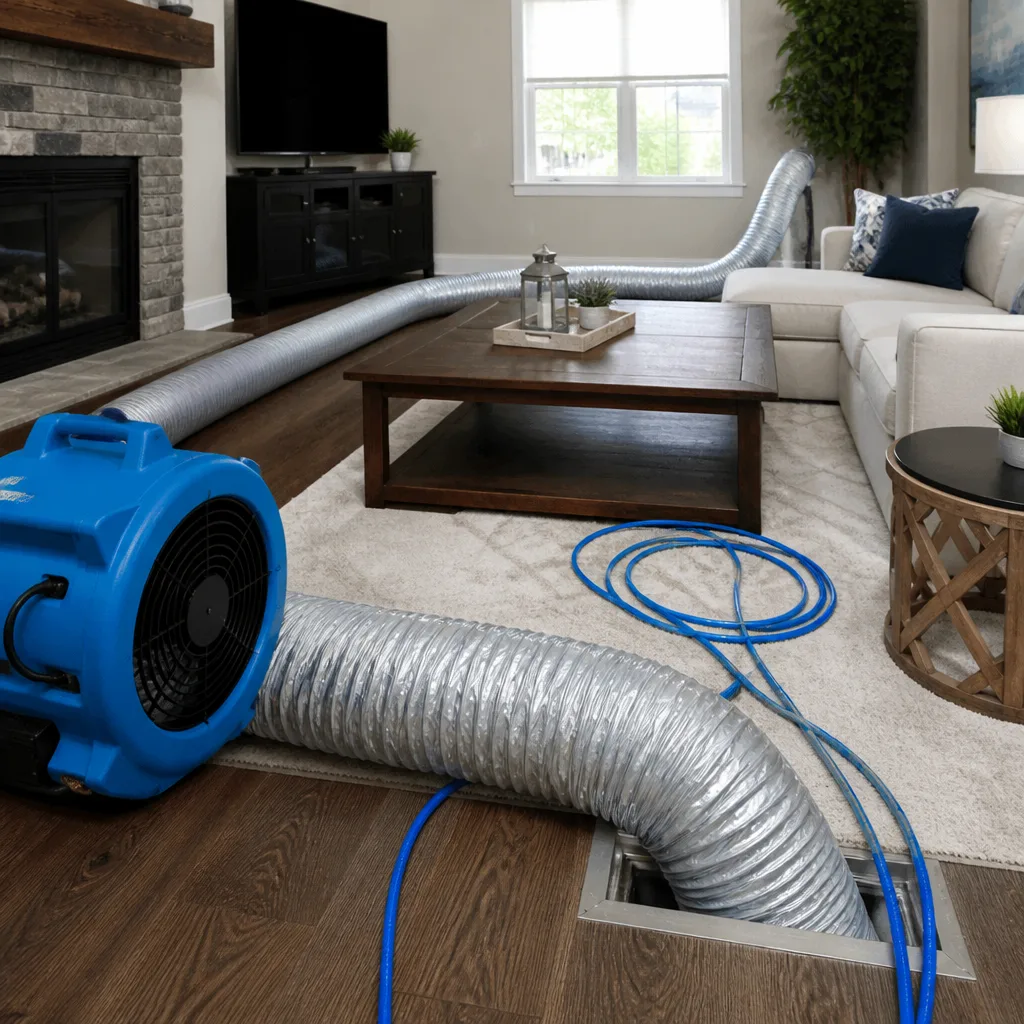 Whole-home duct cleaning
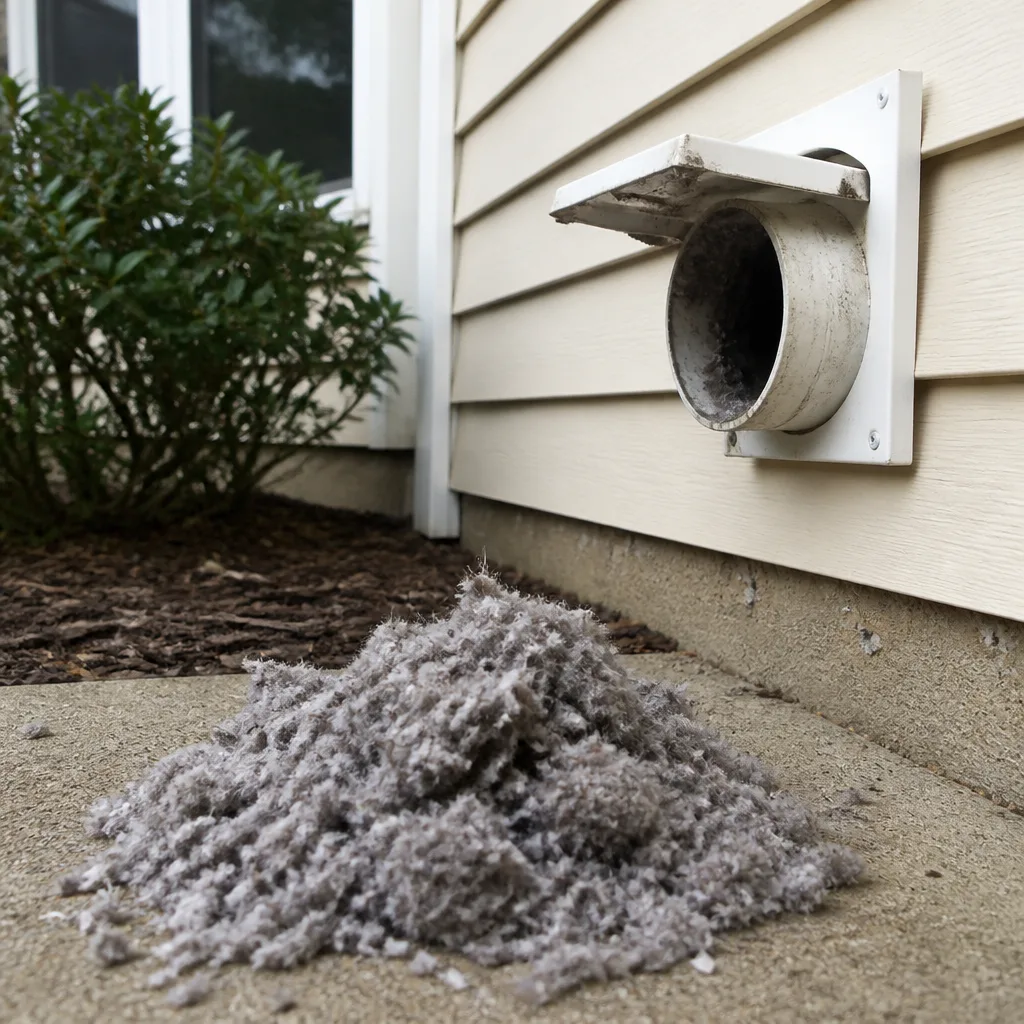 Dryer vent cleaning
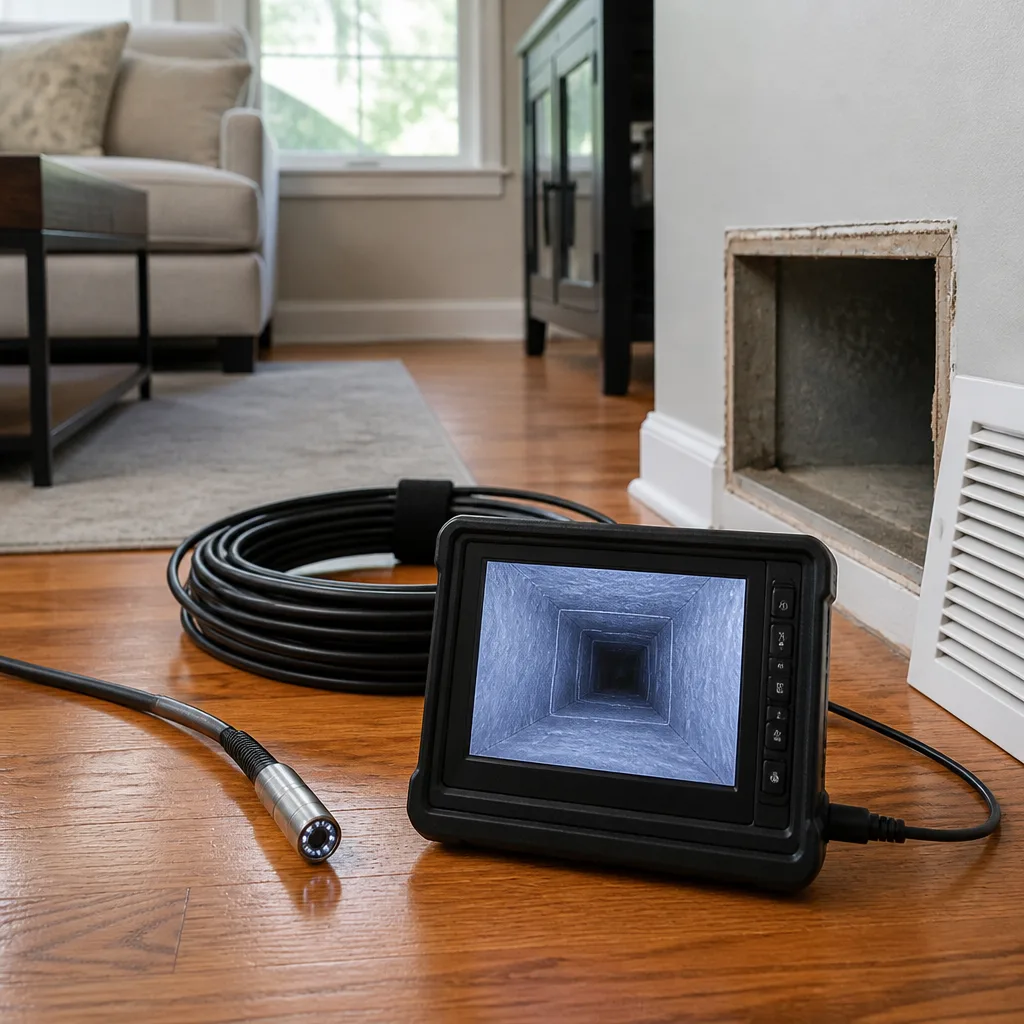 Camera inspection
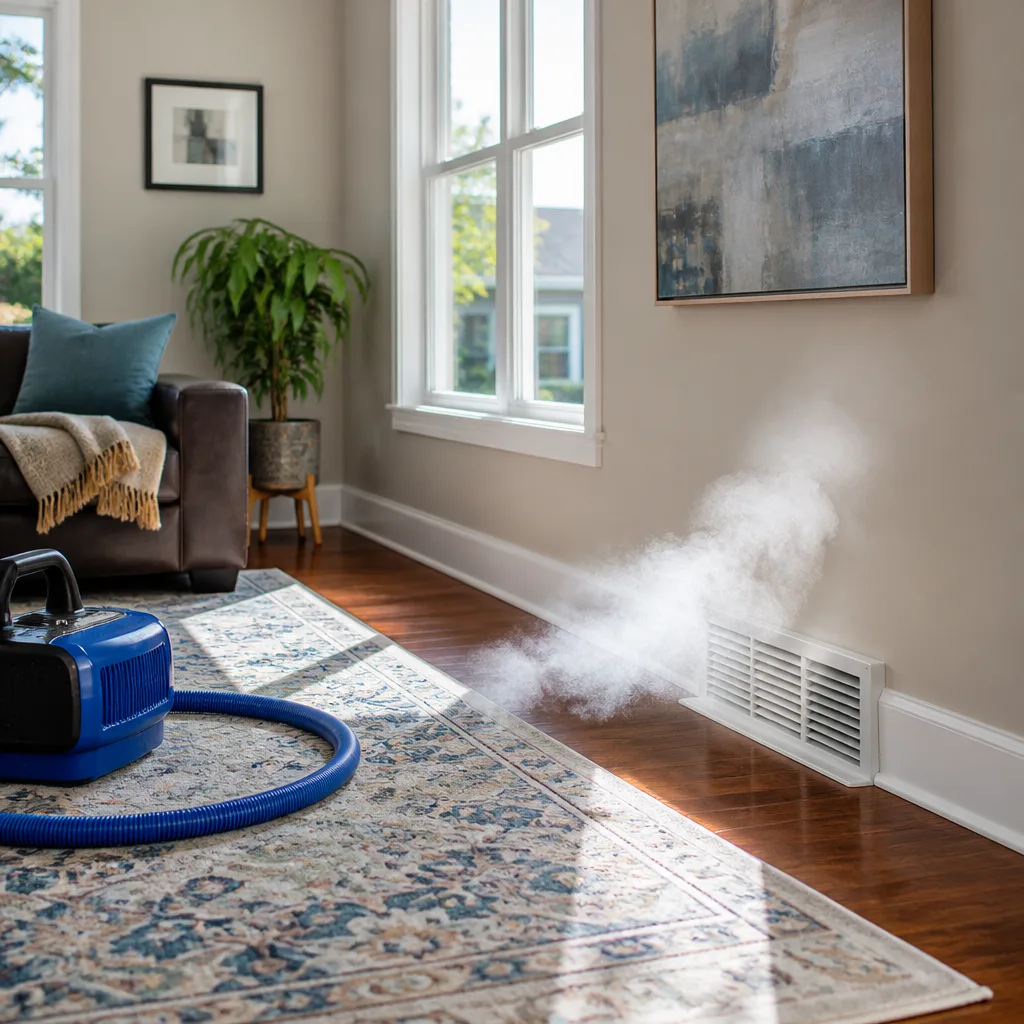 Sanitizing & deodorizing
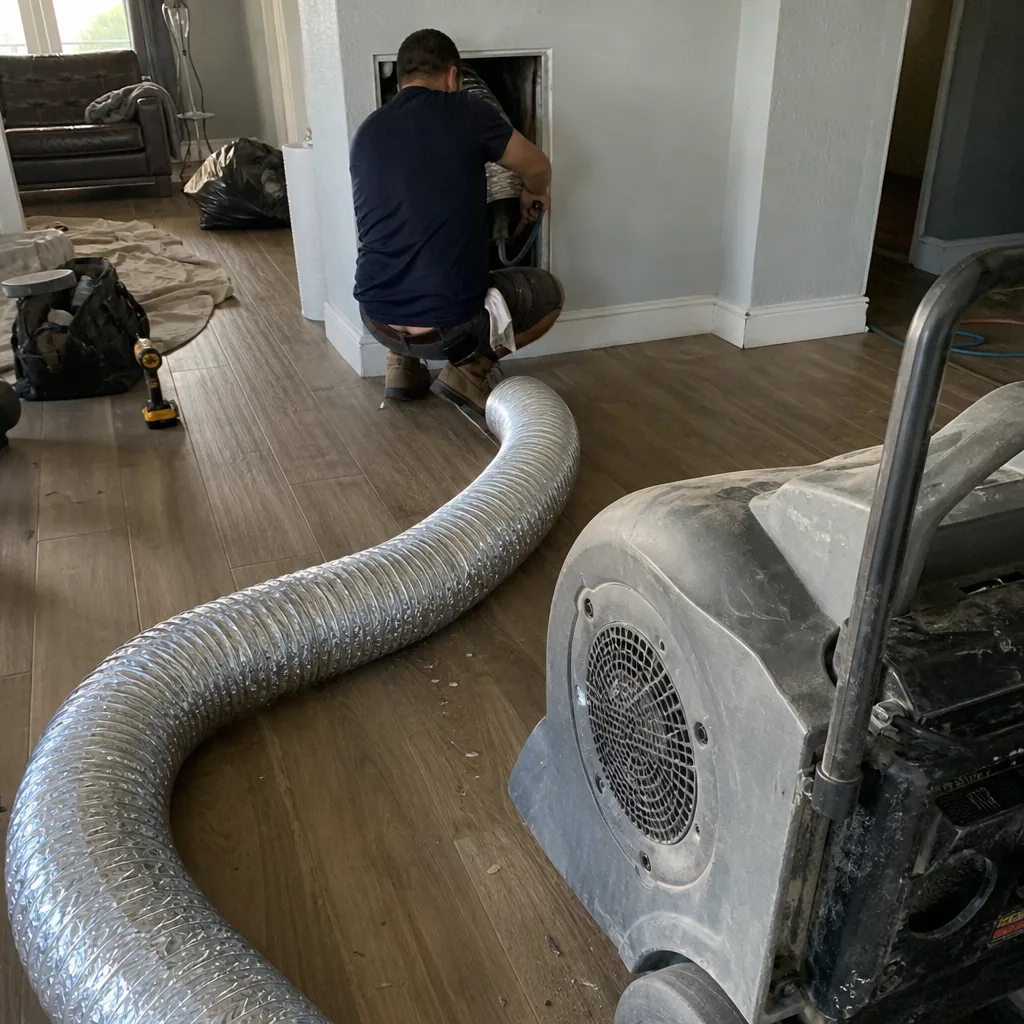
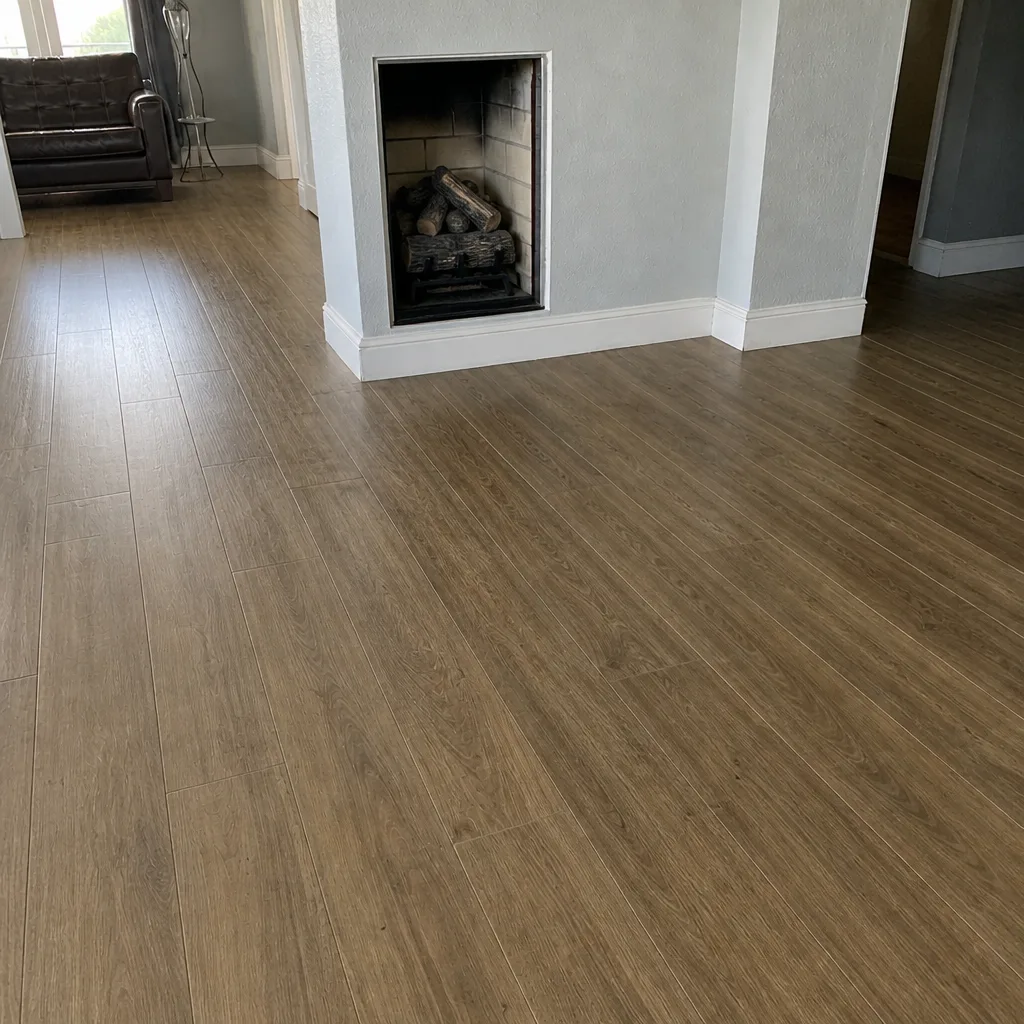
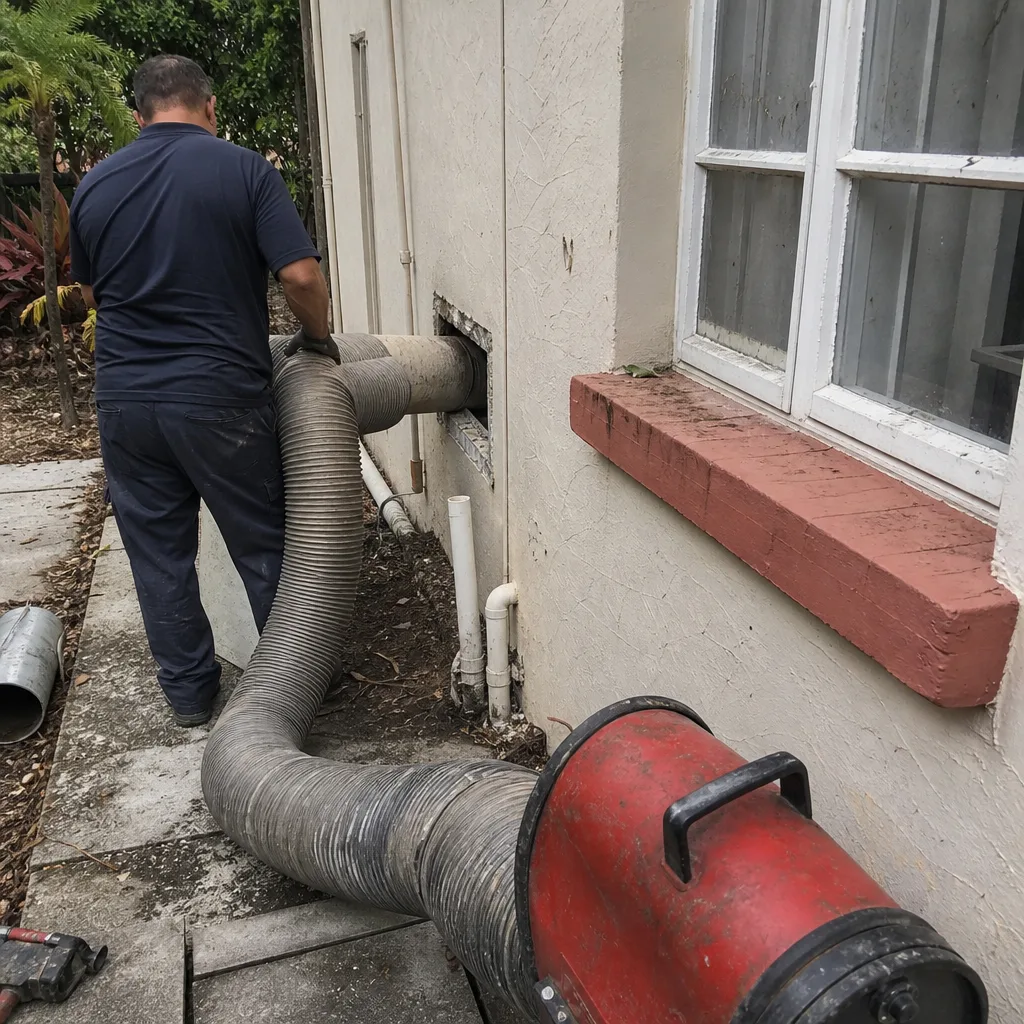
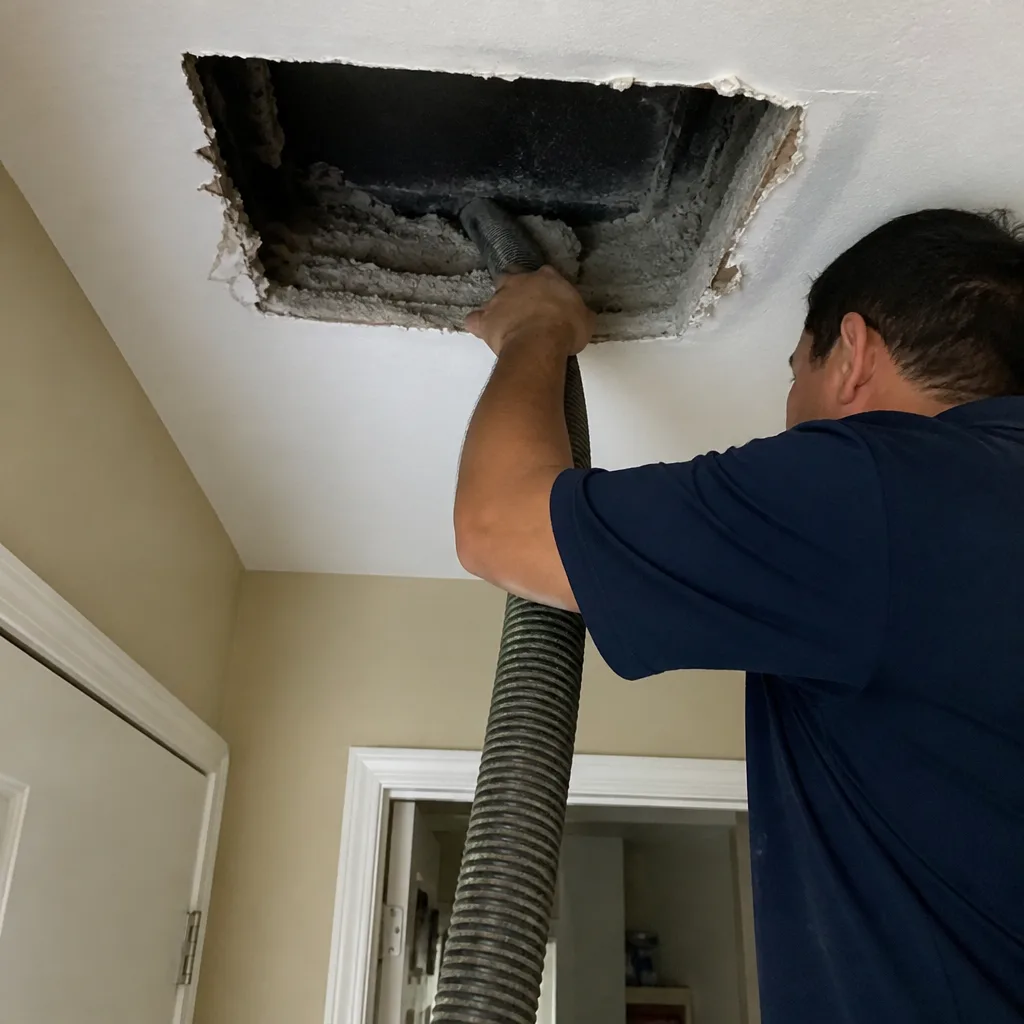
Whole-system duct and dryer vent check with before-and-after photos - you see exactly what came out of your vents
That "$99 whole-house special" is a bait ad - the real number appears once they are in your hallway, or the "clean" is a shop-vac at the register. We photograph the inside of your ducts before and after instead.
Air Duct Cleaning Emergency Preparedness Guide for Boca Raton Homes
Most homeowners in Boca Raton treat their ductwork as a background system until something fails. That’s the first mistake hurricane season exposes. When a storm passes through Palm Beach County, the air handler keeps running on the same schedule it always did, pulling air through ducts nobody has looked at since the house was built. Storm-driven debris in an attic, hidden moisture in a duct run, and insulation that’s been soaking under the vapor barrier don’t announce themselves. They show up later as musty smells, higher humidity indoors, and the unmistakable feeling that the air conditioning is fighting itself. This guide walks through the exact sequence we recommend: what to check before you turn the system back on, how to tell a routine call from a true emergency, why some duct materials cannot be saved, and how to document damage so an insurance claim goes smoothly. It’s written for Boca Raton homes specifically, because the local climate and construction patterns change what actually matters.
Quick Answer
After a hurricane or tropical storm in Boca Raton, do not turn the air conditioning back on until someone has looked at the attic and the duct runs. If the system was running during water intrusion, or if you smell damp insulation, standing moisture, or animal activity near a return, treat it as an emergency and call for a professional inspection before running the system again. If the ducts stayed dry and the equipment looks intact, schedule the inspection when you can – but don’t skip it, because damage hidden behind flex duct insulation worsens the longer the system moves air through it.
Styles & brands we work with
- Whole-home duct cleaning
- Dryer vent cleaning
- Camera inspection
- Sanitizing & deodorizing
Table of Contents
- Pre-Storm Preparedness Checklist for Boca Raton Homes
- What to Check Before You Turn the AC Back On
- Is It an Emergency or a Schedule-When-Available Situation?
- What Flood Intrusion Does to Flex Duct and Ductboard
- Documenting Duct Damage for Homeowner’s Insurance
- When Duct Repair Matters More Than Cleaning
- Why Drying Out the Ducts Isn’t the Same as Cleaning Them
- Off-Season Maintenance That Reduces Storm Risk
Pre-Storm Preparedness Checklist for Boca Raton Homes
Preparedness for ductwork isn’t the same as boarding windows. It’s about removing the vulnerabilities a storm can exploit and setting up a shutdown protocol you can execute quickly when a watch turns into a warning. Homes across Boca Raton sit in neighborhoods where mature tree canopy is common – from the older streets near the ocean to newer gated communities out west – and roof penetrations, soffit vents, and attic access panels are the same entry points that allow wind-driven rain and debris inside. Here’s the checklist we suggest before hurricane season begins.
- Inspect and seal the attic access panel. The panel that lets you into the attic is one of the most overlooked weather entry points. A loose or unsealed panel lets wind-driven rain, dust, and small debris into the attic, where the air handler draws it directly into the return duct. Weatherstripping and latch hardware cost very little and eliminate a common failure point.
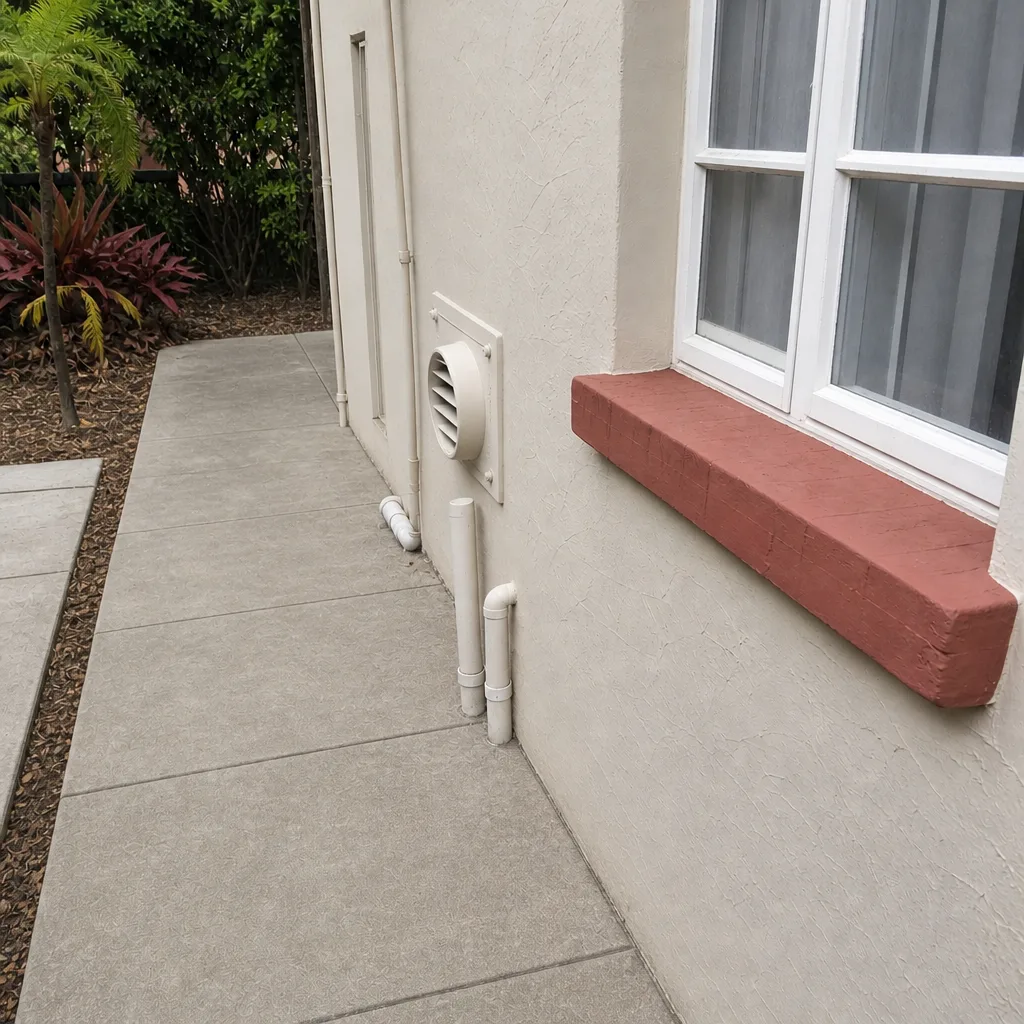
- Seal exterior vent penetrations. Dryer vents, bath fan exhausts, and fresh air intakes on exterior walls should have intact flapper assemblies and sealed collars where they pass through the sheathing. A broken dryer vent flap that lets rain inside is a second problem beyond the moisture issue: it exposes the dryer duct to storm water.
- Know your air handler switch. Locate the disconnect at the air handler and the breaker in the panel. Write down the location and tape a note inside the panel door so anyone in the household can shut the system off immediately if water begins to intrude.
- Photograph your ductwork. Take wide shots of the attic, close-ups of the air handler and flex duct connections, and a photo of any visible ductboard. These become the “before” reference for an insurance claim if a storm hits.
- Write down your HVAC model and filter size. If the system is replaced or the power surge takes out a control board, having the model number written down saves time on repairs.
- Clear the attic floor of loose items. Anything stored in the attic can become a projectile in high wind if a soffit or gable vent fails. Loose insulation debris is also the most common contaminant that clogs ductwork during a storm event.
If it’s been a while since anyone actually put eyes on your ductwork, this is a fair time to book an air duct cleaning assessment so a technician can confirm the runs are intact before the next storm, not after. The same visit is a good moment to look at your dryer vent run, which handles lint and is significantly more vulnerable to moisture damage than an AC duct.
What to Check Before You Turn the AC Back On
After the storm clears, the temptation is to walk back into a humid house and hit the thermostat to restore comfort. Don’t. In our experience across Boca Raton, a large share of post-storm damage to HVAC and duct systems happens because the system runs before anyone looks. The air handler becomes an engine for pushing moisture, insulation particles, and mold spores through every room of the house, and it turns a fixable problem into a full duct replacement. Here’s what to check without climbing into the attic.
- Smell. Walk into each room and note anything musty, earthy, or like wet cardboard. A persistent smell that was not there before the storm is the single best indicator of moisture in a duct run or in the insulation around it.
- Watch the return grille. A return that has visible water stains, dark streaks, dust plumes, or actual droplets at the grille is a sign of active intrusion, not simple dirt.
- Listen for the blower. If the blower sounds like it’s straining or the airflow at registers feels weak, the duct run may be crushed or disconnected, and running the system puts load on a motor with nowhere to push air.
- Look for debris at the supply registers. Insulation fibers, bits of roofing material, small pieces of screen, or fine grit blowing out of a supply register is a signal that storm debris has entered the system.
- Check water intrusion points. Look at ceilings and walls below the air handler for water staining. If you see staining, stop and call a professional before the system runs again.
- Turn on the fan only – briefly. If nothing else flags a problem, set the thermostat to “fan” for a minute and stand near a supply register. If you see particles or smell something unpleasant, shut it back down and call for inspection. If the air is clean and the smell is neutral, you can run the system while you wait for a scheduled inspection.
A trained technician looks inside the return plenum, the air handler cabinet, and the attic runs where a homeowner can’t see. That’s where the real answers live. Our technicians have up to 8 years of experience reading the signs of moisture intrusion and contamination in ductwork, and the visit is short when the system is healthy.
Is It an Emergency or a Schedule-When-Available Situation?
Not every post-storm duct issue needs a technician in the driveway within the hour. But the ones that do can cause real damage if ignored, and most homeowners have no framework for telling the difference. Here’s how we categorize it.
Treat as an emergency
- Water entered the air handler cabinet, blower compartment, or evaporator coil area.
- You can see standing water, soaked insulation, or a visible mold bloom inside a return plenum or on flex duct insulation.
- The house flooded or had significant roof water intrusion while the AC was running.
- You smell strong damp or earthy odor coming from registers and it doesn’t clear after several hours of fan-only operation.
- You see visible contamination – insulation, drywall dust, or animal waste – blowing from supply registers.
- The duct run was physically damaged (torn, collapsed, disconnected) in the attic.
Schedule when convenient
- The system was off during the storm, the house didn’t flood, and no musty smells are present.
- You see minor debris accumulation at a return grille but not on flex duct or at the air handler.
- Airflow feels slightly reduced but there’s no smell and no water staining.
- You want to verify no hidden damage exists, even though the system appears normal.
If a duct run was ripped or disconnected, don’t wait. A damaged run pulls attic air – which in Boca Raton after a storm means insulation particles, moisture, and whatever the wind deposited – into the living space every time the system runs. Stop the system and call. When we’re in dispatch, we answer 24/7 by phone and route fast dispatch from 7am to 7pm, Sunday through Friday. Call (888) 894-0255 for a free estimate.
What Flood Intrusion Does to Flex Duct and Ductboard
Here’s the part most homeowners don’t find out until a tech is standing in the attic: saturated flex duct insulation cannot be dried out. Once moisture penetrates the fiberglass blanket and reaches the inner core, the material holds water for weeks and begins supporting microbial growth almost immediately. Ductboard, that rigid fiberglass board used in some older systems, is worse. It’s porous through its whole thickness, and once it absorbs water it loses structural integrity along with its insulating value. No amount of running the fan, no dehumidifier placement, no “letting it dry out over the weekend” restores the material to service. The right answer is removal and replacement of the affected run, followed by cleaning and restoring the rest of the system.
This is where the local construction pattern matters. Many single-family homes in Boca Raton use flex duct in the attic rather than hard metal duct throughout, which is normal for the region because the attic is hot and the runs are short. Flex is efficient and easy to route, but it’s also unforgiving of water. The insulation is the reason. A metal duct can often be cleaned and dried; a flex run that’s been soaked typically cannot.
What we look for when we’re assessing damage:
- Water staining on the outer vapor barrier of the flex run
- Visible sagging or pooling between hangers
- Discoloration or dark spots inside the inner core
- Compression or detachment at the collar and boot connections
- Insulation that feels heavy or damp at the touch
- Any sign of animal intrusion – nesting materials, droppings, or chewed insulation – which often accompanies storm damage since animals move in when vents open up
This is one of the reasons we consider air duct repair a core part of what we do rather than an add-on. Cleaning alone doesn’t fix a soaked or torn duct run, and a technician who only cleans will hand you a report and tell you to call someone else. We handle the repair with professional-grade equipment and materials so the same visit solves the whole problem.
Documenting Duct Damage for Homeowner’s Insurance
An insurance adjuster evaluates duct damage the same way they evaluate roof damage: on the strength of the documentation. A phone photo snapped in a panic rarely supports a claim. What does is a clear, sequential, timestamped record paired with a written description that maps each photo to a specific issue. The good news is you can build most of this yourself before any contractor arrives, and a technician visit strengthens the file with a formal written assessment.
Here’s the documentation sequence we suggest homeowners follow when filing a claim for duct damage after a storm:
- Photograph the storm conditions. Any photo showing water at the ceiling below the air handler, water stains in a closet or hallway, or visible roof damage tied to the intrusion helps establish causation.
- Photograph the duct runs and air handler. Wide shots showing the attic as a whole, then close-ups of every visible connection, collar, and duct run. Take the shots in sequence so the adjuster can follow the same path you walked.
- Photograph the registers from inside the room. Include the register grille, then hold the camera to the grille with the flashlight on to show what’s inside the duct opening.
- Write a simple narrative. Note the date and time of the storm, when the system was off, when you noticed the smell or water, and what you did. Keep it factual, skip the emotional language.
- Get a technician report. A written assessment from an air duct professional that names the specific runs affected, the materials, and the recommended remedy – cleaning vs. replacement – carries considerably more weight than a photo alone. We provide this as part of the visit, which is one reason to get a report even if you’re not ready to book the work.
- Keep every receipt and invoice. Anything spent on emergency mitigation – fans, dehumidifiers, hotel nights – should be captured.
One thing we tell every Boca Raton homeowner filing a claim: don’t wait for the insurance company to approve work if there’s active water intrusion or a soaked duct run. Most policies expect you to mitigate further damage, and running a contaminated system through the house is exactly what the adjuster will ask about. Stop the system, document, then authorize the fix.
When Duct Repair Matters More Than Cleaning
Cleaning removes contamination from a duct system that’s structurally sound. Repair restores a system that isn’t. After a storm, a surprising number of ducts fall into the second category even when the homeowner only called for the first. Connected, sealed ductwork is what keeps attic air out of the living space – every disconnected collar, torn flex boot, crushed run, and sagging span that pulls free from a hanger becomes an open door for attic air. In Boca Raton’s climate, attic air in July and August is routinely well above the temperature of the living space; more importantly, it carries whatever the attic holds. Insulation dust, pest debris, and moisture ride along with the air that a compromised run draws into the house.
When we open up a duct system after a storm, the damage we commonly find breaks down like this:
- Torn flex runs from wind-driven debris or a fallen limb in the attic
- Disconnected collars where flex meets the plenum or the boot at a supply register
- Crushed runs where stored attic items shifted onto ductwork during the storm
- Sagging runs that have lost hanger support and now trap moisture between spans
- Damaged air handler cabinet seals where the cabinet door or gasket blew open
- Waterlogged ductboard in older systems that needs removal and replacement rather than resealing
Sealing and reconnecting these runs with professional materials makes the cleaning that follows actually mean something. It’s also the reason we use Rotobrush and Nikro equipment: those systems agitate and extract debris from inside the duct walls rather than relying on suction alone, which matters when material has been pushed into cracks and joints by storm-driven air. Cleaning a duct without fixing the leaks around it is like washing the floors with the door to the yard open.
Why Drying Out the Ducts Isn’t the Same as Cleaning Them
Homeowners often ask whether running the AC or placing a dehumidifier in the attic will “dry out” storm moisture in a duct run. For metal ductwork with a small amount of surface condensation, drying is possible and useful. For flex duct insulation or ductboard, it’s not. Water that’s absorbed into the fiberglass blanket stays in place, and the material becomes a substrate for microbial growth within days. That’s not a moisture problem you can air-out. It’s a material problem and the material has to go.
What we actually do after storm intrusion when the ductwork is salvageable:
- Stop the system and dehumidify the space to bring interior humidity under control while we assess.
- Inspect every duct run, plenum, and connection for moisture. Flex duct with visible moisture is scheduled for replacement.
- Clean the salvageable portions of the system with Rotobrush and Nikro equipment, agitating the duct walls and extracting loosened debris.
- Replace the affected runs with new flex and seal every connection with mastic and proper support.
- Verify the air handler cabinet is dry and the coil isn’t holding moisture before the system is put back into service.
- Replace the filter and check filtration equipment. Whole-home filter media from Honeywell or Aprilaire plays a role in helping a home recover after a storm, and a saturated filter defeats that role in the first hour.
The distinction between drying and cleaning isn’t semantic. It’s the difference between a system that’s ready for the next hurricane season and one that quietly feeds musty air through the house for months until the smell becomes impossible to ignore.
Off-Season Maintenance That Reduces Storm Risk
The best time to prepare ductwork for hurricane season is well before a watch is posted, and ideally during the calmer months when contractors aren’t stretched. This is when problems like loose hangers, small leaks, and aging flex runs are easiest to catch and least expensive to fix. It’s also when a straightforward dryer vent cleaning can be scheduled without a wait, which matters because the dryer vent run is a fire safety issue everywhere but especially in homes where lint and insulation dust have a chance to accumulate over a hot summer.
A sensible off-season routine for Boca Raton homeowners:
- Book an inspection before hurricane season begins. A single visit identifies loose duct runs, sagging hangers, torn flex connections, and any surface moisture in metal ducts.
- Have the dryer vent cleaned and inspected. Storm-driven moisture plus accumulated lint is a bad combination inside a dryer duct. If the exterior flap is damaged, that gets fixed at the same time.
- Replace the HVAC filter before the storm season starts. A clean filter gives you a better baseline to judge post-storm air quality against, and it minimizes the load on the blower if you’re running the fan briefly.
- Confirm attic access is sealed. A weatherstripped and latched panel prevents the most common storm entry point into ductwork.
- Look at the home’s filtration equipment. If the system uses a Honeywell or Aprilaire media cabinet, this is the moment to confirm the filter is properly seated and the cabinet door seal is intact. Abatement Technologies filtration equipment, when present, deserves the same check.
- Write down your pre-storm numbers. Airflow feel at each register, filter part number, air handler model. These become the baseline if anything feels different after a storm.
A prepared home doesn’t guarantee a duct system comes out of a storm untouched. What it does is give you a clear “normal” to compare against, a fast shutdown protocol, and documentation that supports a claim if things go wrong. That’s a much better position than figuring it out in the dark after a storm.
Common Mistakes to Avoid
- Turning the AC back on to “test” it. That test is often the moment a manageable duct issue becomes a full replacement. Feel for airflow at the registers with the system off, or get a technician to inspect before the first run.
- Assuming no visible water means no damage. Attic moisture intrusion is often hidden under insulation or between hangers in Boca Raton homes where the attic is unconditioned. A visible-water test alone misses most of the real problems.
- Letting a soaked flex run “dry out.” Flex duct insulation and ductboard don’t recover once water penetrates. Replacing the run is the correct repair, not a cleaning pass and a hope.
- Calling only a cleaning company. Cleaning without repairing torn collars and disconnected runs just puts clean air into a leaky system. Look for a contractor that offers both repair and cleaning, because you shouldn’t have to schedule two visits to solve one problem.
- Filing an insurance claim without photos and a written report. Adjusters work on documentation, not narrative. A clear photo sequence and a professional assessment make the difference between approval and a denial that has to be appealed.
- Skipping the dryer vent. The dryer vent is part of the home’s exhaust system and is exposed to the same storm conditions as every other exterior penetration. Lint accumulation plus storm moisture is a fire-safety concern that gets overlooked in the rush to fix ductwork.
- Cleaning once and forgetting. Ductwork that survived one storm season will face the next one from a worse starting position without maintenance. Booking an inspection before the next season begins beats reacting after damage is done.
See the difference
 Before
 After
 Before
 After
 Before
 After
When to Call a Professional
Call a professional if any of the following is true after a storm in Boca Raton: you see water, staining, or visible moisture in the air handler, at a return, or in the attic; you smell damp, earthy, or “cardboard after rain” odors when the system runs; supply registers are blowing insulation fibers, dust, or debris; the blower is straining or airflow dropped noticeably; the system ran during the storm or during visible roof water intrusion; the house flooded; or you’re preparing an insurance claim and need a technician report that documents actual condition. We also get called when a duct run is visibly torn, collapsed, or detached – a repair scenario, not a cleaning one. As we’ve shared, keeping the system off until inspection is the safest move in every case. Ashton Air Duct Cleaning offers free estimates in Boca Raton – call (888) 894-0255. Our technicians have up to 8 years of experience and work with Rotobrush and Nikro equipment so the inspection and the fix happen in one visit. We also handle Boca Raton homes with dryer vent cleaning and duct repair as part of the same service call.
Frequently Asked Questions
Not until the ductwork has been inspected, especially if the system was running during wind-driven rain or roof intrusion. The reason is that a healthy-looking system can be pulling attic air in through a disconnected collar or a torn flex run without any visible sign in the living space. If you’re confident no intrusion occurred and you need comfort, run the fan for a minute and check for odors or particles at a supply register before turning on cooling. If you smell anything off, shut down and call. Call (888) 894-0255 for a free estimate. We answer 24/7. Fast dispatch from 7am to 7pm, Sunday through Friday.
If the outer vapor barrier was wet, or if the insulation blanket feels heavy or damp inside, the run must be replaced rather than cleaned. Saturated flex insulation doesn’t dry out and becomes a microbial substrate within days. Metal ductwork with minor surface condensation can often be dried and cleaned, but the flex runs are almost always a replacement if they were soaked. Our technicians photograph the condition and explain what they’re replacing and why before any work begins.
It depends on the number of systems, the number of runs affected, and whether repair or replacement of damaged runs is required – which is why we don’t publish one-size pricing. What we can tell you is that we set one flat price per system, agreed before work starts, in a written estimate. No per-vent pricing, no bait-and-switch numbers when the technician arrives. Post-storm jobs that involve replacement of soaked flex duct or ductboard will cost more than a standard cleaning because the scope is larger, and we tell you that up front. Call (888) 894-0255 for a free estimate.
Usually because the scope is different. A low quote often covers cleaning only, with no inspection of flex runs, no repair of disconnected collars, and no replacement of saturated insulation – the parts that most commonly need attention after a storm. A technician who only cleans can’t fix a repair problem. We offer air duct cleaning, dryer vent cleaning, and air duct repair as one package so the quote reflects the whole system, not just the part that’s easy to price.
Often yes, if the damage is tied to a covered peril like wind or water intrusion from a storm, but every policy is different and coverage exclusions vary. Documentation is what gets a claim approved: photos of the duct runs, a written narrative from you, and a technician report from a contractor like us that names the affected runs and the recommended remedy. We provide that report as part of the visit. Call (888) 894-0255 for a free estimate.
For most homes, every few years is reasonable – but storm events, water intrusion, visible mold, or noticeable increases in dust and allergen response are the triggers worth reacting to immediately, not on a calendar. Homes with pets, recent renovations, or anyone with respiratory sensitivity generally benefit from more frequent attention. A pre-hurricane-season inspection is the single most useful step because it catches small issues before they become emergency replacements. Call (888) 894-0255 for a free estimate. We answer 24/7. Fast dispatch from 7am to 7pm, Sunday through Friday.
The Bottom Line
Duct emergencies after a storm follow a predictable pattern: hidden moisture, unrecognized contamination, and a system that gets switched back on too soon. The fix is equally predictable. Inspect before you run the system, treat any sign of water or odor as a real problem, understand that soaked flex duct and ductboard are replacement items rather than cleaning items, document everything for insurance, and prepare the duct system before the next season instead of after the next storm. Boca Raton homes face a real hurricane season every year, and the homes that come through it in the best shape are the ones whose owners had a protocol in place beforehand.
If you need a duct inspection, a repair, or a whole-system cleaning, call Ashton Air Duct Cleaning at (888) 894-0255 for a free estimate. We answer 24/7. Fast dispatch from 7am to 7pm, Sunday through Friday. Clean ducts. Repaired ducts. Done right.
Written by the team at Ashton Air Duct Cleaning.