
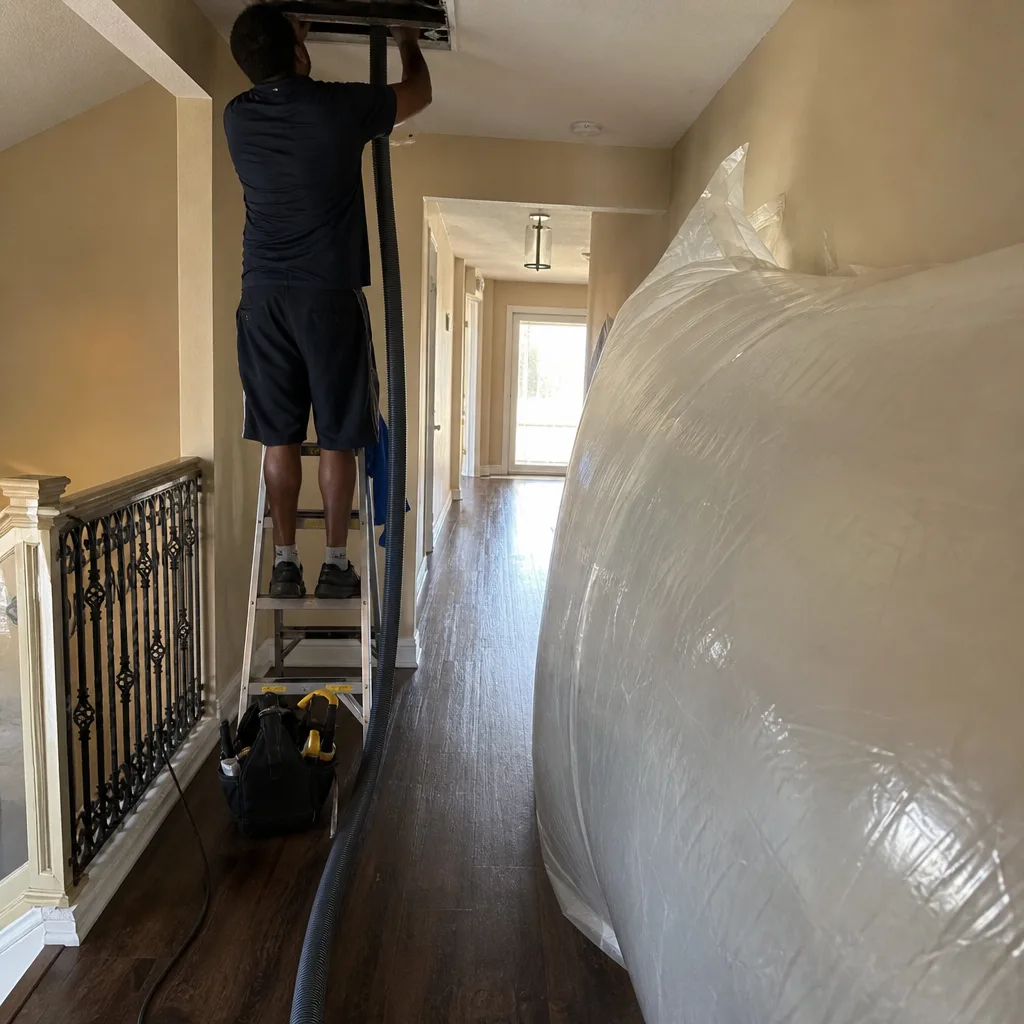
Last updated November 15, 2026
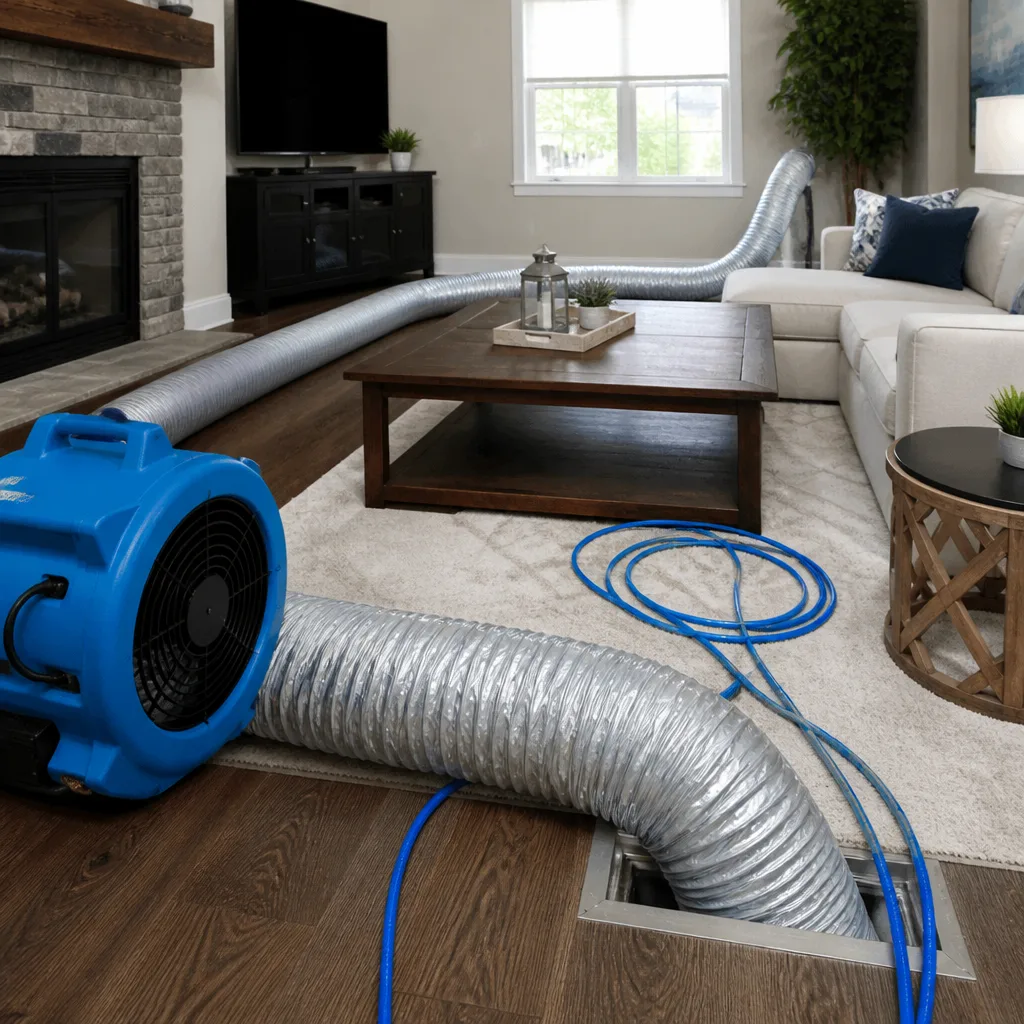 Whole-home duct cleaning
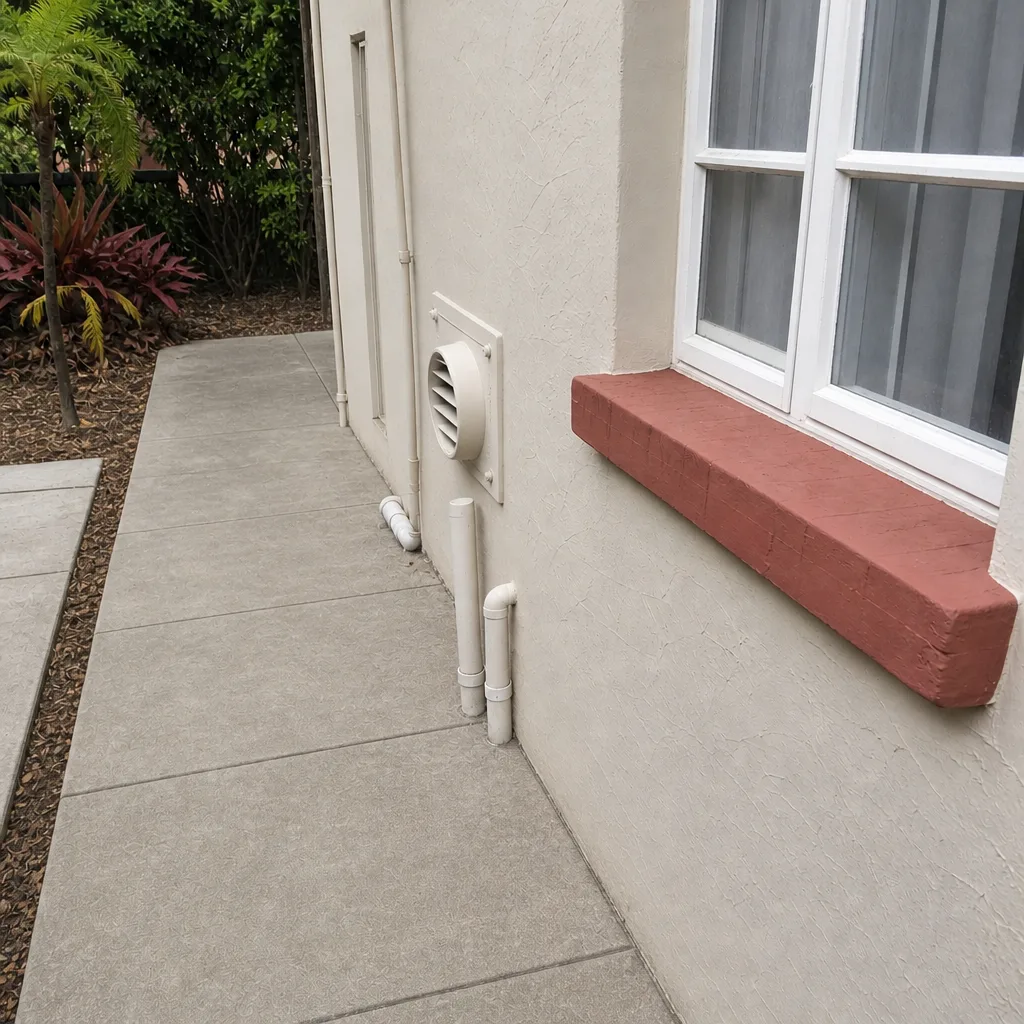
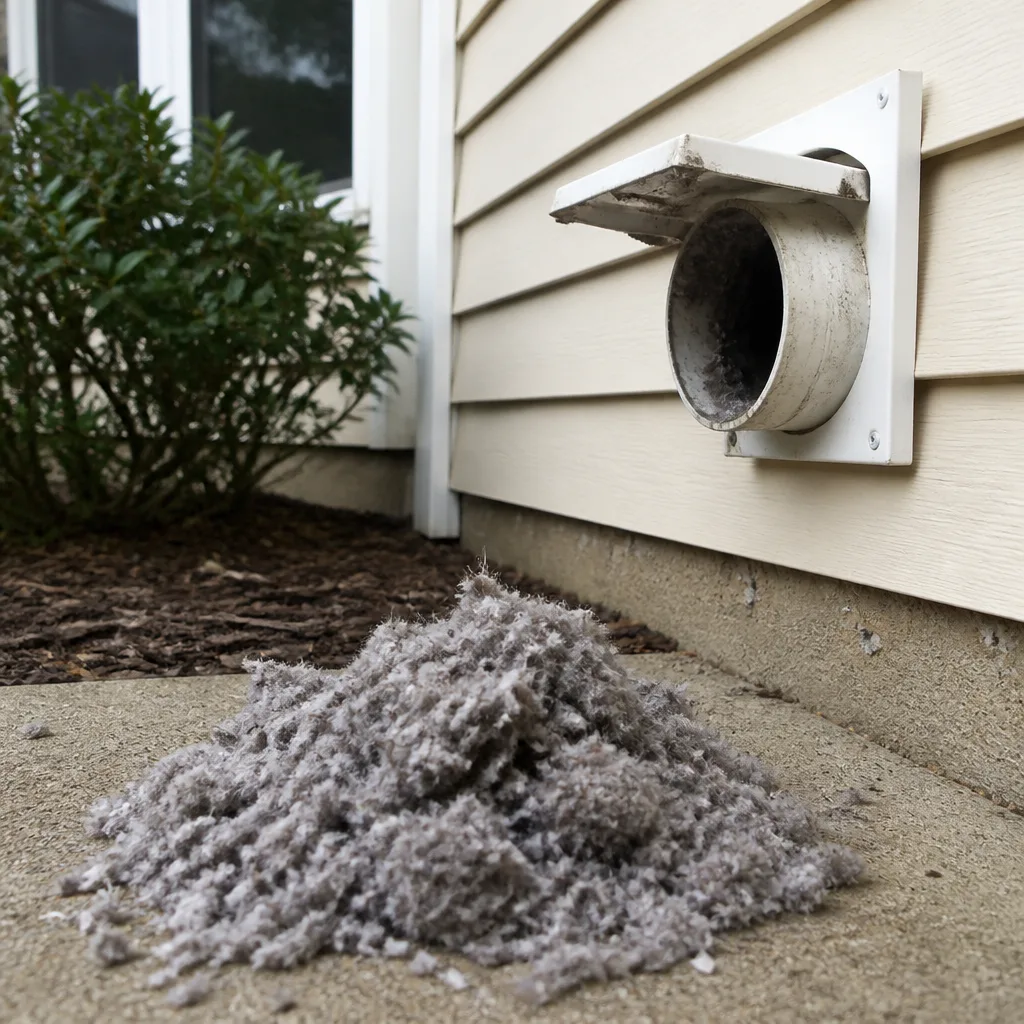 Dryer vent cleaning
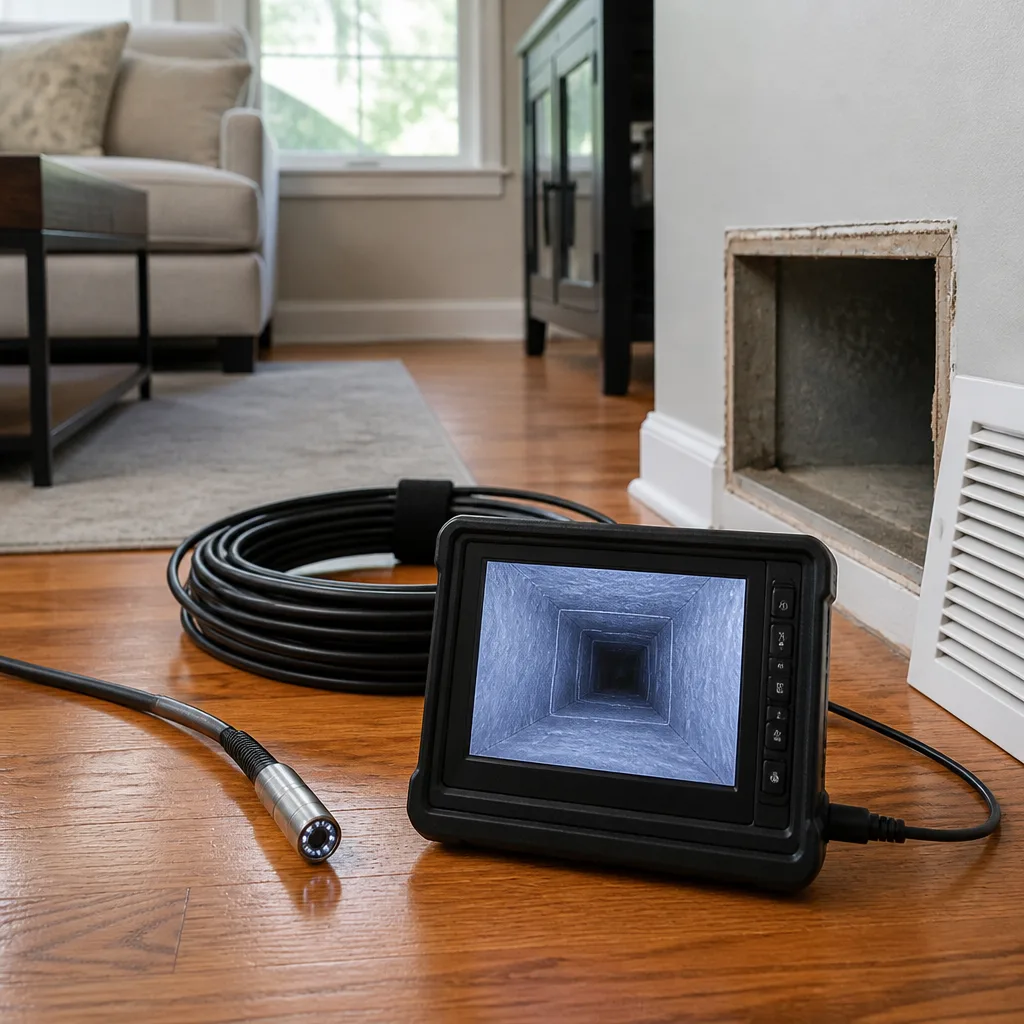 Camera inspection
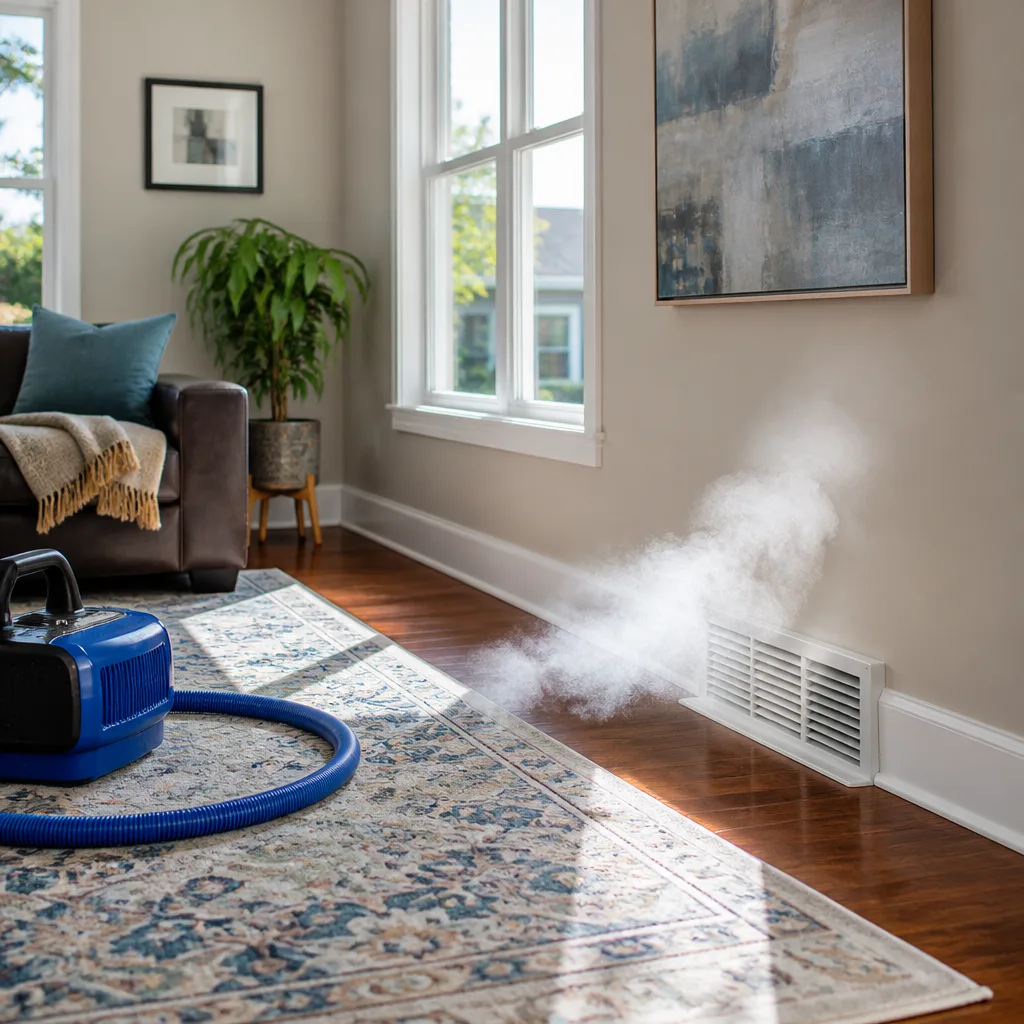 Sanitizing & deodorizing
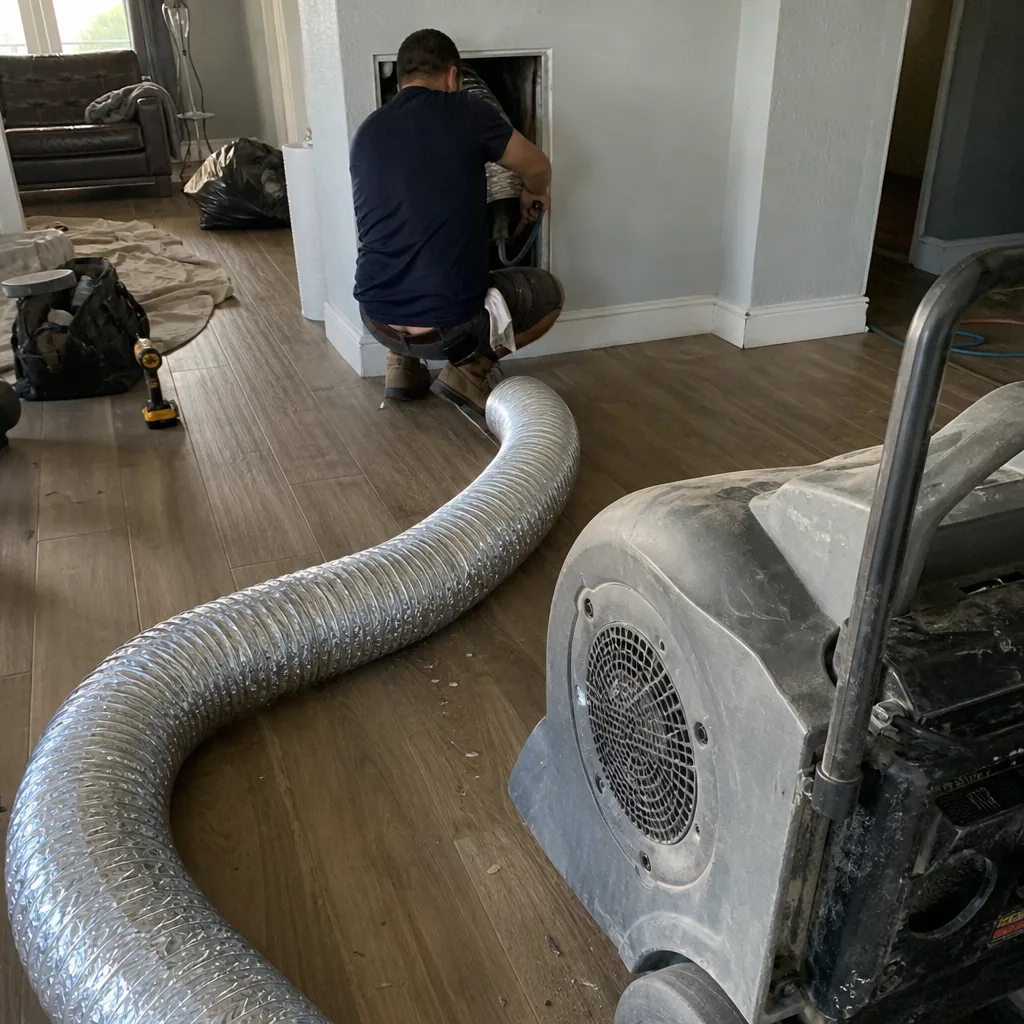
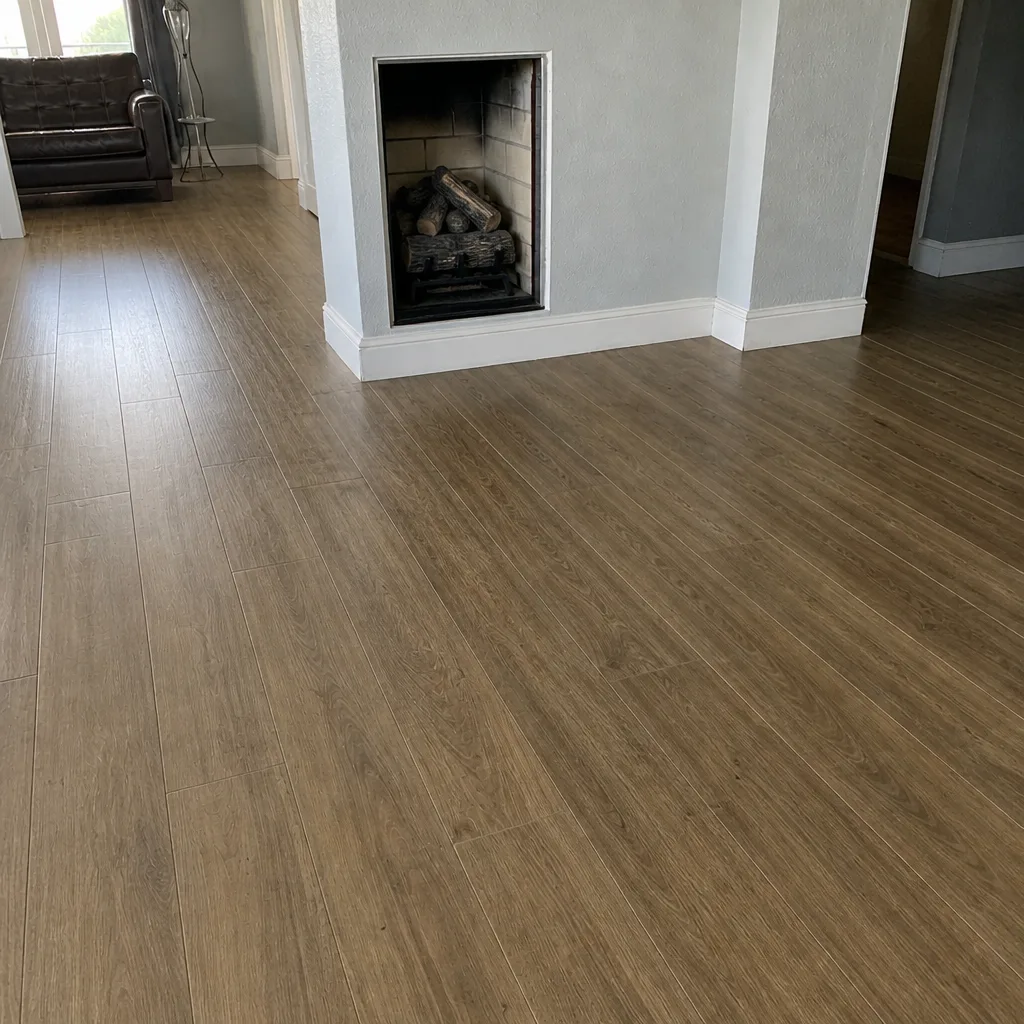
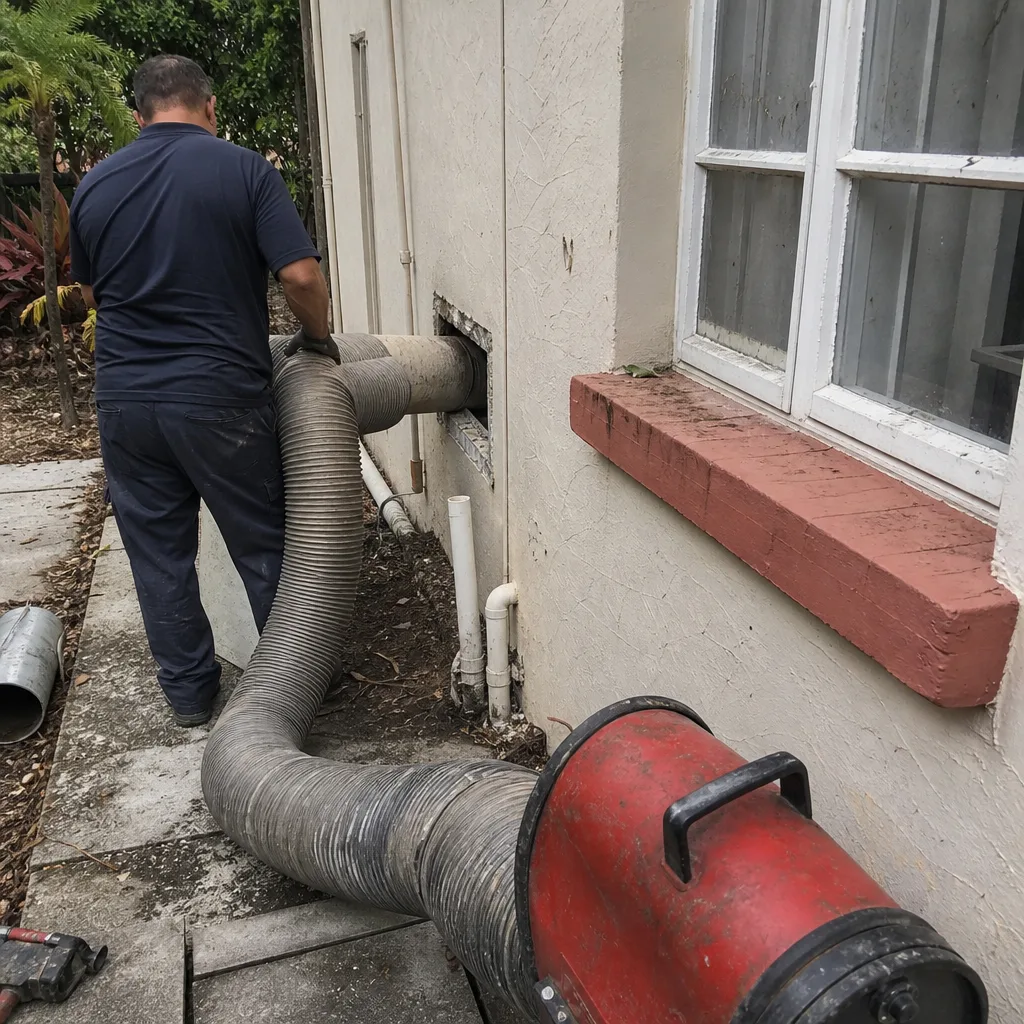
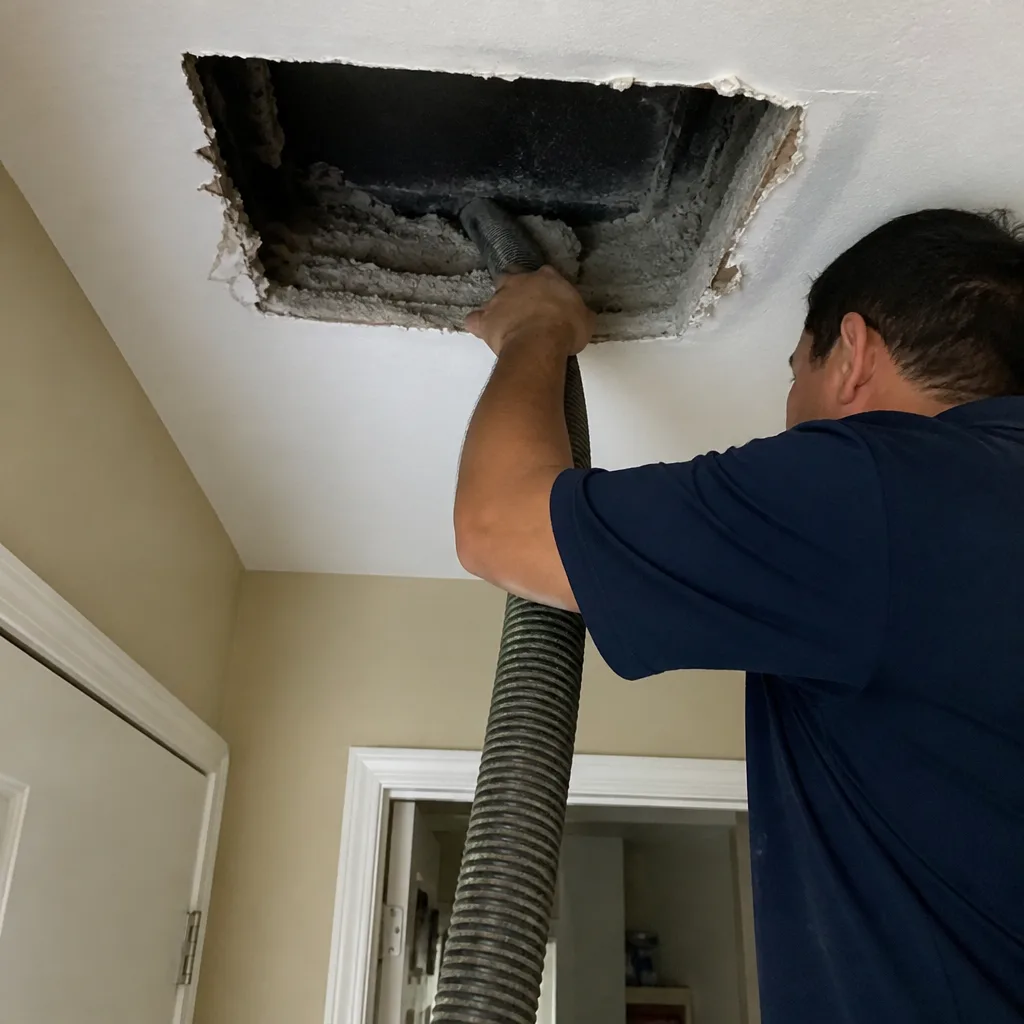
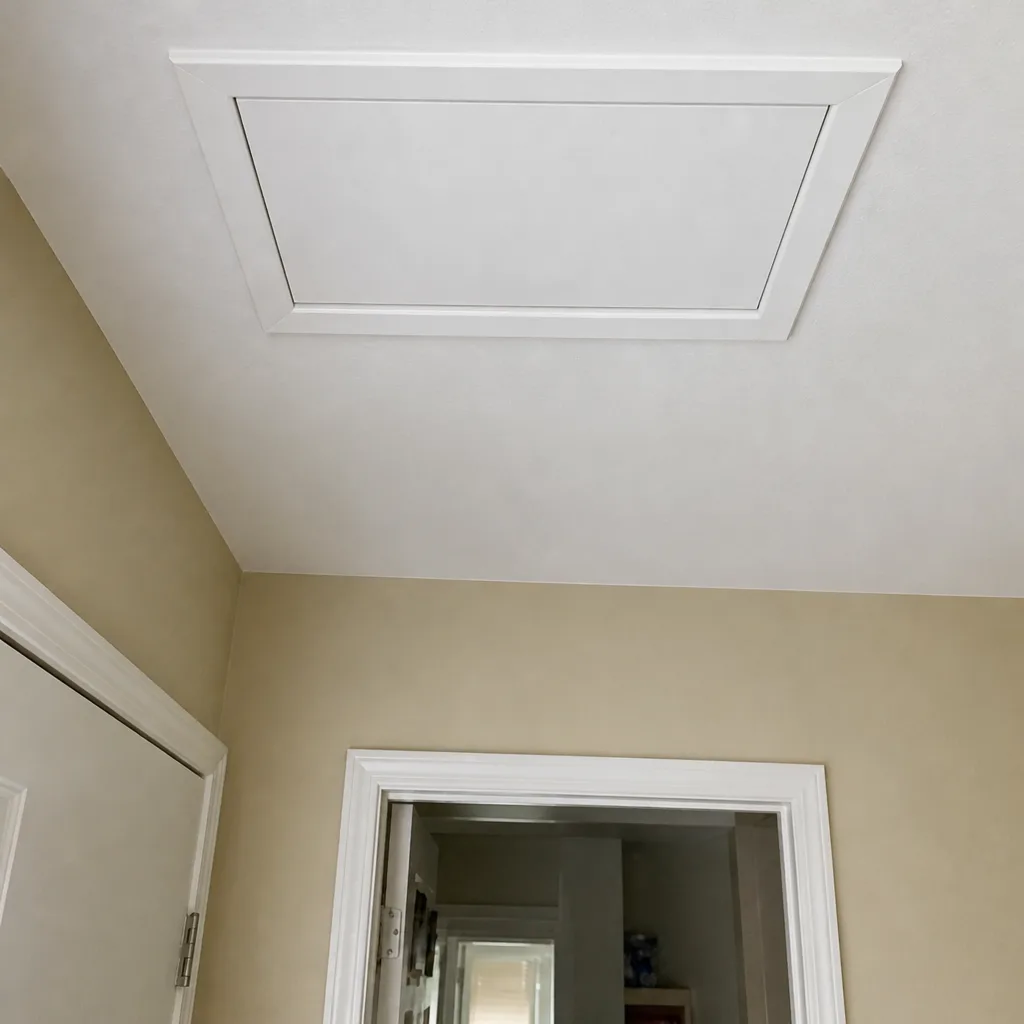
Whole-system duct and dryer vent check with before-and-after photos - you see exactly what came out of your vents
That "$99 whole-house special" is a bait ad - the real number appears once they are in your hallway, or the "clean" is a shop-vac at the register. We photograph the inside of your ducts before and after instead.
Air Duct Cleaning Maintenance Schedule: What to Do and When
The most repeated number in this trade is three to five years. That figure traces back to guidance written for a national average, and a national average means nothing in a place where the air conditioner runs nearly every day of the year. Boca Raton homes live in a different operating reality: high humidity, long cooling seasons, and a steady load of fine particulate from construction and landscaping. A schedule built for Ohio will leave your ducts under-serviced here. This guide gives you a calendar you can actually follow, month by month, plus the household factors that should shorten or stretch your interval. By the end you’ll know what to check yourself, what to leave to a technician, and how to document all of it.
Styles & brands we work with
- Whole-home duct cleaning
- Dryer vent cleaning
- Camera inspection
- Sanitizing & deodorizing
Quick Answer
In Boca Raton, most homes need professional air duct cleaning every 2 to 3 years, not the 3 to 5 years often quoted nationally, because year-round AC runtime and high humidity keep debris and biological growth active longer. Homes with pets, recent renovations, or allergy sufferers in the household should plan on every 1.5 to 2 years. Filter changes should happen every 30 to 60 days during peak cooling season, and a duct inspection should follow every hurricane season, ideally in September or October.
Table of Contents
- Why Boca Raton Homes Need a Different Schedule
- The Month-by-Month Maintenance Calendar
- How to Adjust Your Interval for Your Household
- What You Can Do Yourself vs. What Needs a Technician
- The Post-Hurricane Season Checkpoint
- How to Document Your Maintenance History
- Why the Equipment Used Changes the Outcome
- Frequently Asked Questions
Why Boca Raton Homes Need a Different Schedule
A duct system in most of the country sits idle for months. Your system in Boca Raton moves conditioned air through the same rigid and flex ductwork nearly every day of the year, and that constant cycling keeps fine dust suspended and constantly depositing on duct walls. Humidity adds a second factor: the interior of ductwork in a humid climate can stay damp enough to support mold and mildew growth on dust that would simply stay dry and inert in a cooler climate.
Construction and landscaping add a third. Boca Raton sees continuous renovation and new building, and fine drywall dust and exterior particulate find their way into return-air intakes. Homes near active construction zones or with mature landscaping close to the condenser and return grilles tend to load up faster than a comparable home inland.
None of this means you need annual cleaning as a blanket rule. It means the schedule should be based on how your specific system is operating, not a number copied from a national page. The practical answer: start with a professional inspection and let the condition of the ductwork set the interval. If the ducts are clean and the return plenum is clear, you’ve earned time. If there’s visible buildup, debris in the plenum, or a musty smell when the system starts, the interval should come down.
Our technicians have up to 8 years of experience in this trade, and the pattern around here is consistent: homes that skip inspections for five or six years tend to need more than cleaning when we finally get there, because the dust load has had time to compromise flex duct seams and register boots.
The Month-by-Month Maintenance Calendar
A calendar is more useful than a rule of thumb. Here’s the maintenance rhythm that works for a Boca Raton home running its air conditioner most of the year. Not every month has an action item, but the seasonal checkpoints matter more than daily fussing.
- January – February: Change the filter on a 60-day cycle. Check the drain pan and condensate line for standing water or algae. This is a good window for a professional inspection if you haven’t had one recently, since demand is lower and scheduling is easier.
- March – April: Inspect the evaporator coil area for visible dust or biofilm. Open a few supply registers and look inside with a flashlight. Note any debris, discoloration, or loose duct connections. Schedule professional cleaning if the last visit was more than 2 years ago.
- May – June: Peak cooling season begins. Switch to 30-day filter checks, especially if you have pets. Confirm return grilles aren’t blocked by furniture or rugs. Check that the condensate drain is flowing freely.
- July – August: The hottest stretch, when the system runs longest. Filter changes every 30 days. Watch for musty odors at startup, and note any rooms that feel less cooled than others, which can point to a duct leak.
- September – October: Post-hurricane season inspection window. See the checkpoint section below. This is the single most important month on the calendar for Boca Raton duct systems.
- November – December: If your home uses heat, run it once and check for odor. Otherwise, this is a good window for air duct cleaning if the September inspection flagged buildup, and for scheduling dryer vent cleaning before the holiday season.
Two items sit outside the monthly grid: a professional full-system inspection every 12 to 24 months, and duct repair whenever a leak, disconnected joint, or crushed flex run is identified. Those don’t follow a calendar. They follow condition.
How to Adjust Your Interval for Your Household
The 2-to-3-year baseline for Boca Raton is a starting point. Several household factors push it shorter, and a few push it longer. Read your own situation honestly.
- Pets: Shorten to every 1.5 to 2 years. Pet dander and hair are sticky and accumulate on duct walls faster than ordinary dust, and they’re a common driver of allergy symptoms indoors.
- Recent renovation: Schedule cleaning after any project that produced drywall dust, sawdust, or demolition debris, once the work is complete and the dust has settled. Drywall dust coats everything downstream of the return and doesn’t clear on its own.
- Allergy or asthma sufferers: Shorten the interval and pair cleaning with filtration improvements. We work with Honeywell filtration components because cleaning removes the reservoir and filtration reduces what re-enters.
- Older flex duct systems: Shorten the interval. Older flex duct accumulates debris in its ridges more readily than smooth metal, and the seams and joints are more likely to leak or sag over time.
- New-to-you home: Get an inspection before you move in or shortly after. You don’t know the prior owner’s maintenance history, and a duct system inherited from an unknown past should be verified rather than assumed clean.
- Longer interval, sometimes: A home with a well-sealed duct system, a modern high-MERV filter setup, no pets, and no recent construction can sometimes stretch to 3 to 4 years between professional cleanings, provided the annual inspection stays clear.
The point is to let the variables drive the number. A schedule written for a no-pet, no-renovation household with rigid metal ductwork will over-service nobody, but it will under-service the home with two dogs, a renovation in the rearview, and an allergy sufferer sleeping in the front bedroom.
What You Can Do Yourself vs. What Needs a Technician
There’s a clear line between homeowner maintenance and technician work, and staying on the right side of it protects your system and your warranty. Here’s the split, honestly drawn.
What you can do yourself:
- Change the air filter on a schedule you track. Every 30 to 60 days is a reasonable range for Boca Raton, with the shorter end during peak season and for pet households.
- Remove supply and return grilles and wipe them down with a damp cloth. Loose dust on the grille face is surface debris, and cleaning it keeps dust from being drawn in and redistributed.
- Look inside a register with a flashlight. Check for debris, discoloration, or visible dust buildup on the duct interior. Take a photo. That’s your documentation.
- Check the condensate drain pan and line for standing water. If water is present or the line is clogged with algae, note it and call a technician.
- Keep furniture, rugs, and storage from blocking return grilles and supply registers.
What needs a technician:
- Any actual cleaning of the duct interior. Professional-grade equipment such as a Rotobrush or Nikro system agitates debris off duct walls and extracts it; a shop vacuum or a “duct cleaning” brush kit from a hardware store cannot reach the full run, and improvised tools can damage flex duct.
- Duct repair. Leaking seams, disconnected joints, crushed flex runs, and damaged register boots all need proper repair work, which most cleaning-only companies don’t offer.
- Coil cleaning beyond a visual check. The evaporator coil is a wet component that grows biofilm in a humid climate, and cleaning it properly means opening the plenum.
- Mold or biological growth suspected inside the duct system. This is a technician job. Do not attempt to treat it yourself.
- Dryer vent cleaning. See the safety note below.
A safety note on dryer vents: a dryer vent cleaning isn’t optional, it’s a fire-safety service. Lint accumulation in the vent line is a leading cause of house fires, and the vent run is not a place for improvised cleaning. Leave it to a technician with the right tools.
The Post-Hurricane Season Checkpoint
September and October are the most important inspection window on the Boca Raton duct calendar, and it’s the checkpoint most homeowners skip. Hurricane season runs from June through November, and by the end of it, even a home that didn’t take direct damage has usually been through weeks of wind-driven rain, elevated humidity, and in some cases a loss of power and air conditioning for a period. Each of those conditions affects the duct system.
Here’s what the post-season checkpoint should cover:
- Look for water intrusion around registers and returns, especially on exterior walls and in ceilings along the perimeter of the house.
- Check for any visible moisture or discoloration inside duct runs reachable through registers.
- Smell the air at startup. Any musty or earthy odor is a signal to inspect.
- Confirm that no debris entered the return plenum during storm preparation or cleanup, which often involves moving stored items and furniture around grilles.
- Inspect the outdoor condenser area for debris and confirm nothing is blocking airflow.
- If the home was closed up and unairconditioned for any stretch, watch for condensation inside the duct system when the AC first comes back on, and note any musty odor that lingers.
If any of those checks flag something, get a professional inspection before the next cooling season. A duct system that absorbed moisture and then sat closed up is the scenario where biological growth takes hold, and the damage is easier and cheaper to address early. This is also the right moment to have a technician look at the whole air system, because a single visit that checks the ducts, the coil area, and the dryer vent covers everything at once.
How to Document Your Maintenance History
Maintenance records are the thing almost nobody keeps and almost everybody needs eventually. Home sales, warranty claims, and insurance inquiries all reward a homeowner who can produce a dated history of professional work. Build the habit now, even if your system is only a couple of years old.
Here’s a documentation routine that holds up:
- Keep the invoice for every professional visit. A dated invoice showing the service performed, the equipment used, and before-and-after photographs is the strongest record you can have. Ask for photos if they aren’t offered.
- Log your own filter changes. A simple note on your phone with the date and filter type is enough. A pattern of regular changes shows a maintained system.
- Photograph anything you notice. A flashlight photo inside a register, a shot of a stained ceiling near a vent, a picture of water in the drain pan. Timestamped photos carry weight.
- Keep a running note of duct repair work. If a joint was resealed or a flex run replaced, note the date and what was done. Repair history is a selling point when you list the home.
- Bundle it all in one place. A folder, physical or digital, with the receipts, photos, and a one-page summary of when the system was cleaned, repaired, and inspected. When a buyer or an adjuster asks, you hand over one document.
If you’ve been in the home a while without any records, start with a professional inspection now. The inspection itself becomes the first entry in your maintenance history, and it gives you a baseline.
Why the Equipment Used Changes the Outcome
The maintenance schedule assumes the cleaning done at each visit actually removes debris, and that’s where equipment matters. A suction-only approach pulls loose dust from the duct surface but leaves the dust adhered to the duct walls. Professional cleaning requires physical agitation plus extraction, which is what our Rotobrush and Nikro systems are designed to do. Those two steps together are the difference between a duct system that’s been swept clean and one that’s just been vacuumed at the surface.
We also work with components from Honeywell, Aprilaire, and Abatement Technologies. Those brands matter for two reasons. First, filtration and humidification components from Honeywell and Aprilaire are common in Boca Raton homes and interact with the duct system regularly; knowing how they’re installed and what they need for maintenance keeps the whole system working together. Second, consistent filtration and cleaning is what controls contaminant levels over time, which is the actual goal behind the schedule.
The other half of the equation is duct repair. Most duct cleaning companies clean and leave. If the cleaning inspection finds a leaking seam, a crushed flex run, or a disconnected joint, clean ducts don’t fix the air loss; repair does. We offer air duct repair as a service alongside cleaning and dryer vent work because the schedule you follow only works if the system is intact between visits. A duct system with a leak behind the drywall is depositing dust into a cavity and losing conditioned air, and no cleaning interval fixes that.
Common Mistakes to Avoid
- Following the national three-to-five-year rule in a year-round-AC climate. The top-line number was never written for a Boca Raton home. Use it as a reference point and adjust for your actual conditions.
- Changing the filter on a fixed calendar instead of checking condition. During peak cooling season with pets in the home, a filter can load up well before 60 days. Check the filter visually, not just the calendar.
- Hiring the cheapest coupon price for duct cleaning. A low teaser price often turns into a much larger invoice once the technician is on site. Ask for a flat, whole-system price in writing before the work starts, and ask whether the price is per system or per vent.
- Skipping the post-hurricane season inspection. September and October are the highest-risk months for hidden moisture and biological growth in a Boca Raton duct system, and skipping the inspection means the problem grows unnoticed through the cooler months.
- Having ducts cleaned without repairing leaks. Cleaning a leaking duct system leaves the leak, and the leak just re-contaminates the ducts. Ask whether the company offers repair, and if they don’t, expect to need a second contractor.
- Ignoring the dryer vent as a separate safety item. The dryer vent is not a maintenance extra. Lint buildup is a fire hazard, and it should be cleaned when it’s due, not when it’s convenient.
- Forgetting to document the work. Invoices and photos are what you’ll need for resale, warranty, or insurance, and a missing record is a missing record. Ask for before-and-after photos of your own ducts with the invoice.
When to Call a Professional
Call a professional when a register or return shows visible dust buildup, when a musty or earthy smell appears at system startup, when you find water in the drain pan or discoloration near a register, or when you’ve moved into a home with an unknown maintenance history. Call after any renovation that generated drywall or sawdust, and call for the September-October checkpoint if you haven’t had an inspection in the past two years. Call for dryer vent cleaning when lint buildup is suspected or the vent run hasn’t been cleaned. And call if you notice uneven cooling room to room, which often points to a duct leak that needs repair. Ashton Air Duct Cleaning offers free estimates in Boca Raton – call (888) 894-0255. We answer 24/7. Fast dispatch from 7am to 7pm, Sunday through Friday.
Frequently Asked Questions
Every 2 to 3 years for most Boca Raton homes, and every 1.5 to 2 years if you have pets, recent renovation work, allergy sufferers, or older flex ductwork. The national three-to-five-year guidance assumes a climate where the system runs seasonally, not year-round in high humidity, which is why the local interval is shorter. Call (888) 894-0255 for an inspection – estimates are free.
Cheap quotes usually reflect a suction-only pass, a per-vent price that grows once the technician is on site, or a coupon price that becomes a larger invoice after arrival. The right comparison is a flat, whole-system price agreed before work begins, with before-and-after photos as proof. Ask what equipment is used and whether the price covers the full system, not just a set number of vents. Call (888) 894-0255 for a written estimate – estimates are free.
Ask for before-and-after photos of your own ducts, and keep the invoice. A company that does real agitation-and-extraction cleaning can show you what it found and what it left. Photos plus a dated invoice are also what you need for home sales, warranty claims, or insurance inquiries.
Change the filter every 30 to 60 days during peak season, wipe down grilles, do a flashlight check inside registers, and confirm no furniture or rugs are blocking returns. Leave duct interior cleaning, coil work, and any repair to a technician. The line is simple: surface checks are yours, the system interior is theirs.
Yes. September and October are the most important inspection months for a South Florida duct system. Even a home without direct storm damage has usually been through weeks of elevated humidity, and if the AC was off for a stretch, moisture can sit in the ductwork and support biological growth. A post-season inspection catches it early. Call (888) 894-0255 to book one – estimates are free.
Only if the cleaning inspection found a problem, but leaking seams, crushed flex runs, and disconnected joints are common and don’t show up from a surface look. Cleaning without repair leaves the leak in place, which re-contaminates the ducts and wastes energy. Our technicians have up to 8 years of experience identifying repair needs during the cleaning visit, which is why we offer Ashton Air Duct Cleaning repair work alongside cleaning.
The Bottom Line
Boca Raton duct maintenance comes down to three things: a shorter cleaning interval than the national number suggests, a filter-change rhythm tied to your actual household, and a post-hurricane inspection in September or October. Most homes here need professional cleaning every 2 to 3 years, with household factors tightening that to 1.5 to 2. Between visits, change filters, wipe grilles, and leave the system interior to a technician. Document everything, because the record is what you’ll reach for when you sell the home or file a claim. And when you schedule cleaning, ask for a flat whole-system price and before-and-after photos.
Ready for an inspection or a scheduled cleaning? Call (888) 894-0255 for a free estimate. We answer 24/7. Fast dispatch from 7am to 7pm, Sunday through Friday. Ashton Air Duct Cleaning handles air duct cleaning, dryer vent cleaning, and air duct repair, so a single visit covers what your system needs.
Written by the team at Ashton Air Duct Cleaning.
See the difference
 Before
 After
 Before
 After
 Before
 After