
Last updated November 15, 2026
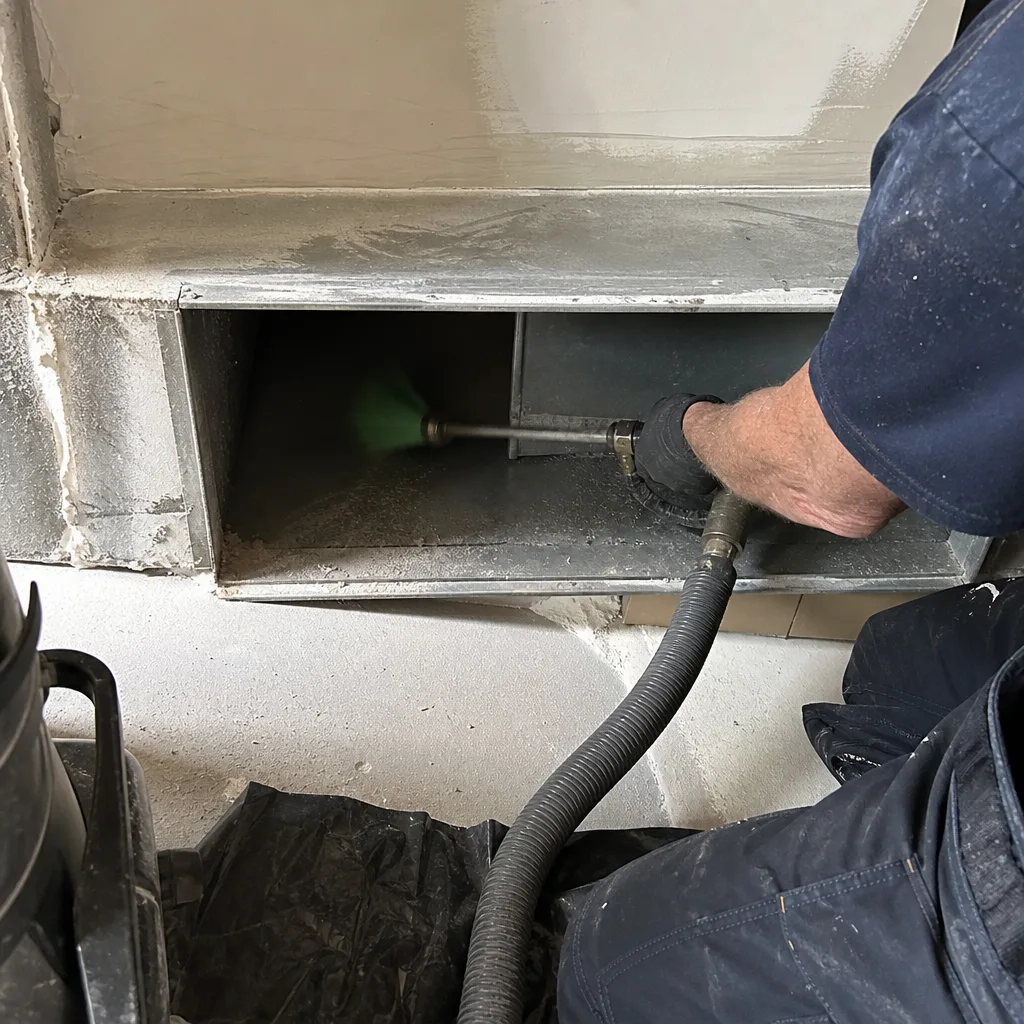
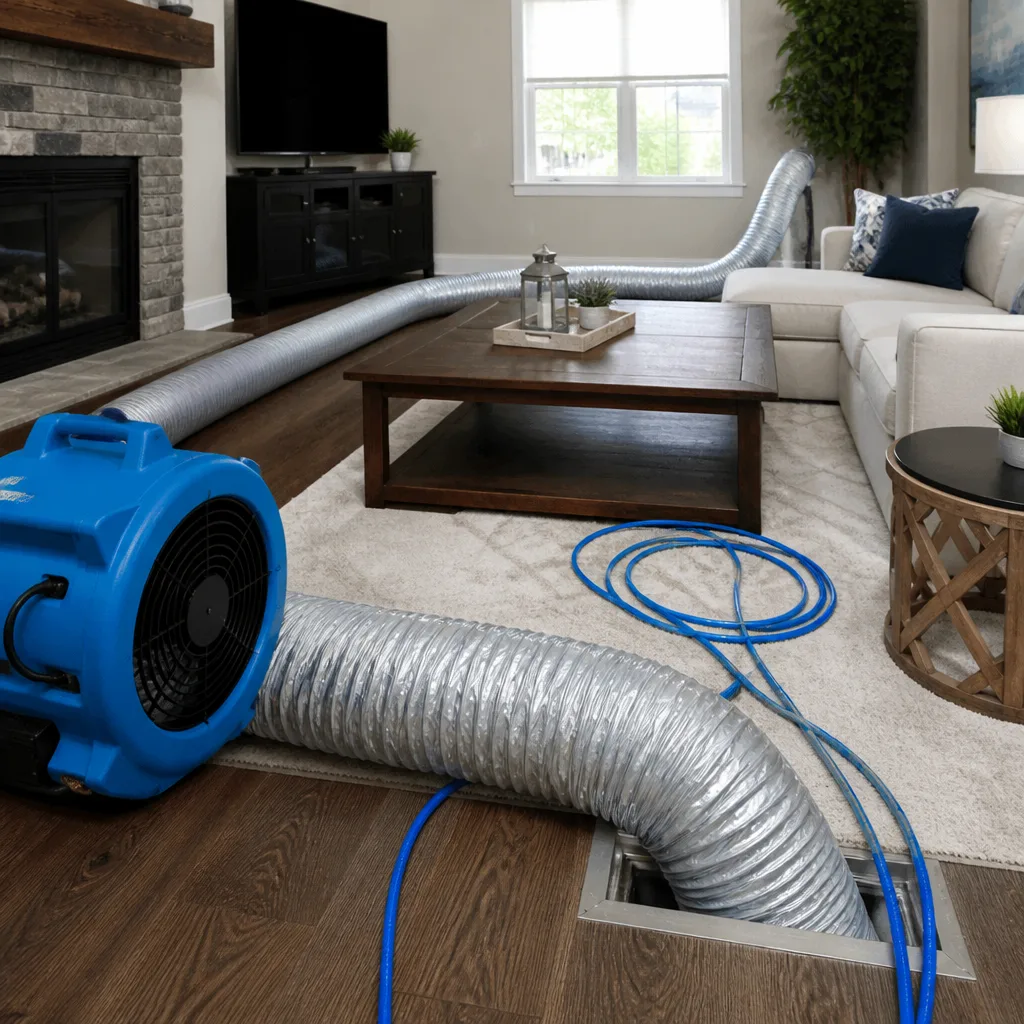 Whole-home duct cleaning
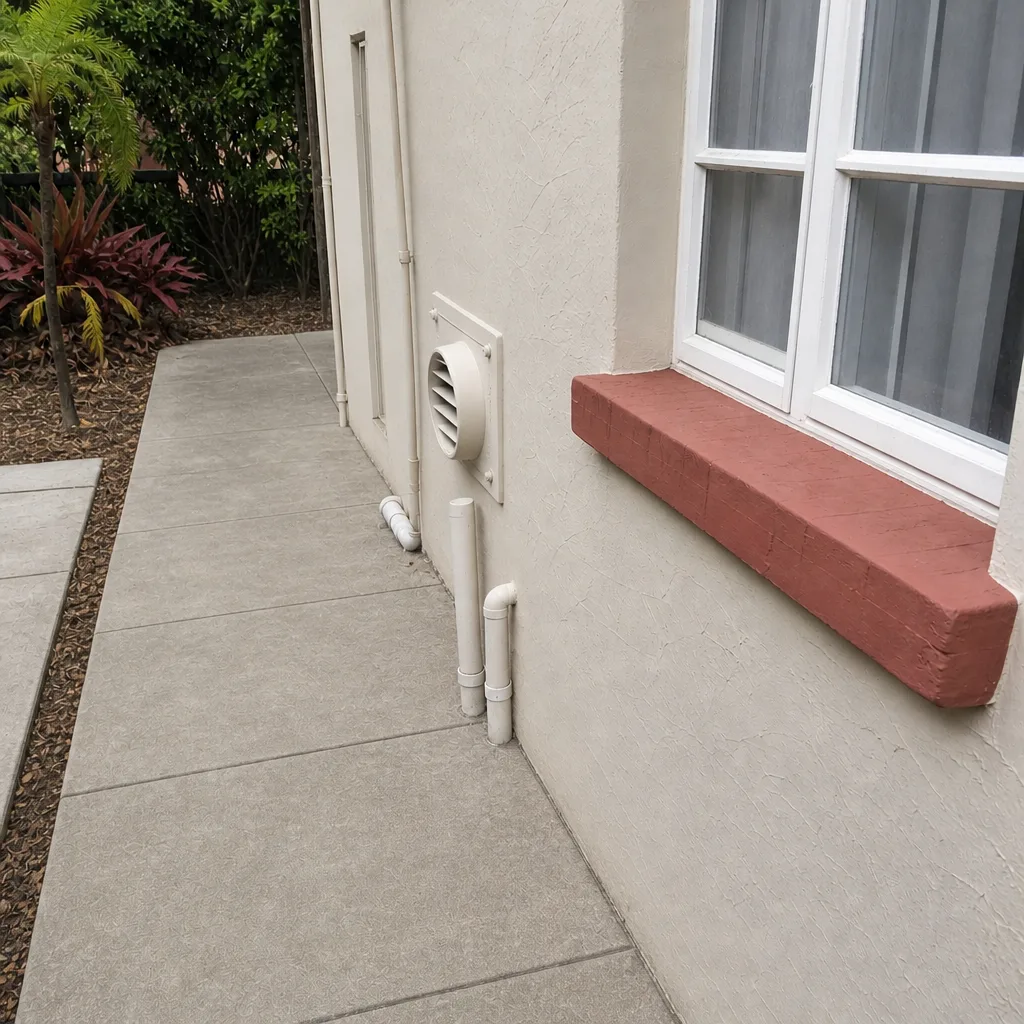
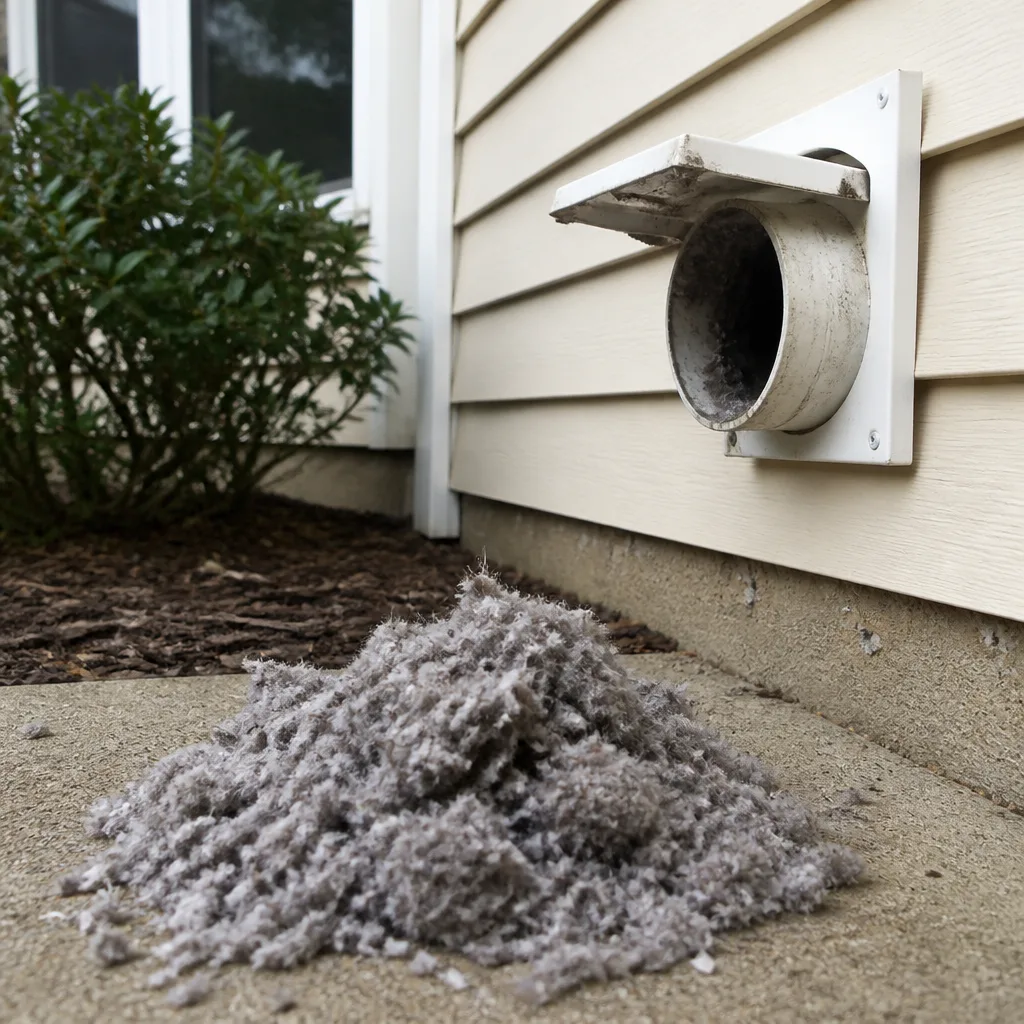 Dryer vent cleaning
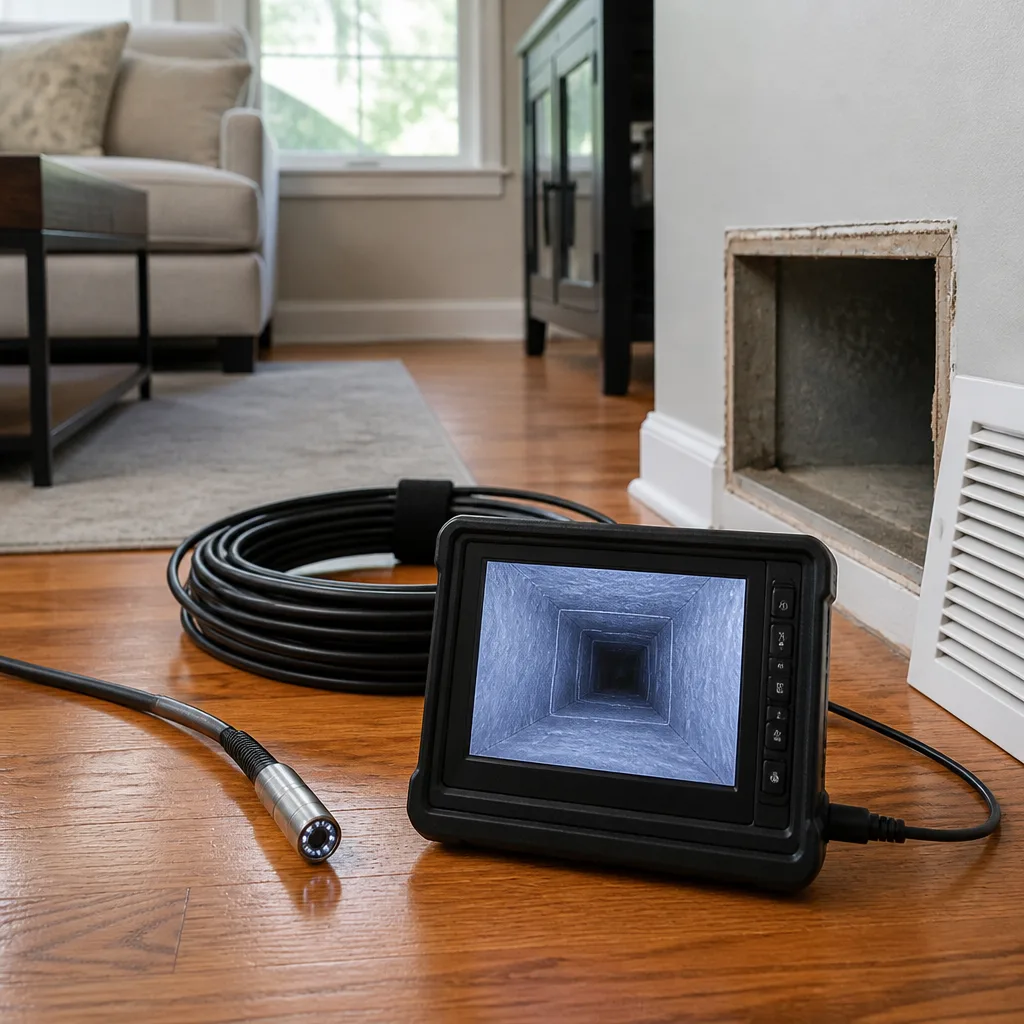 Camera inspection
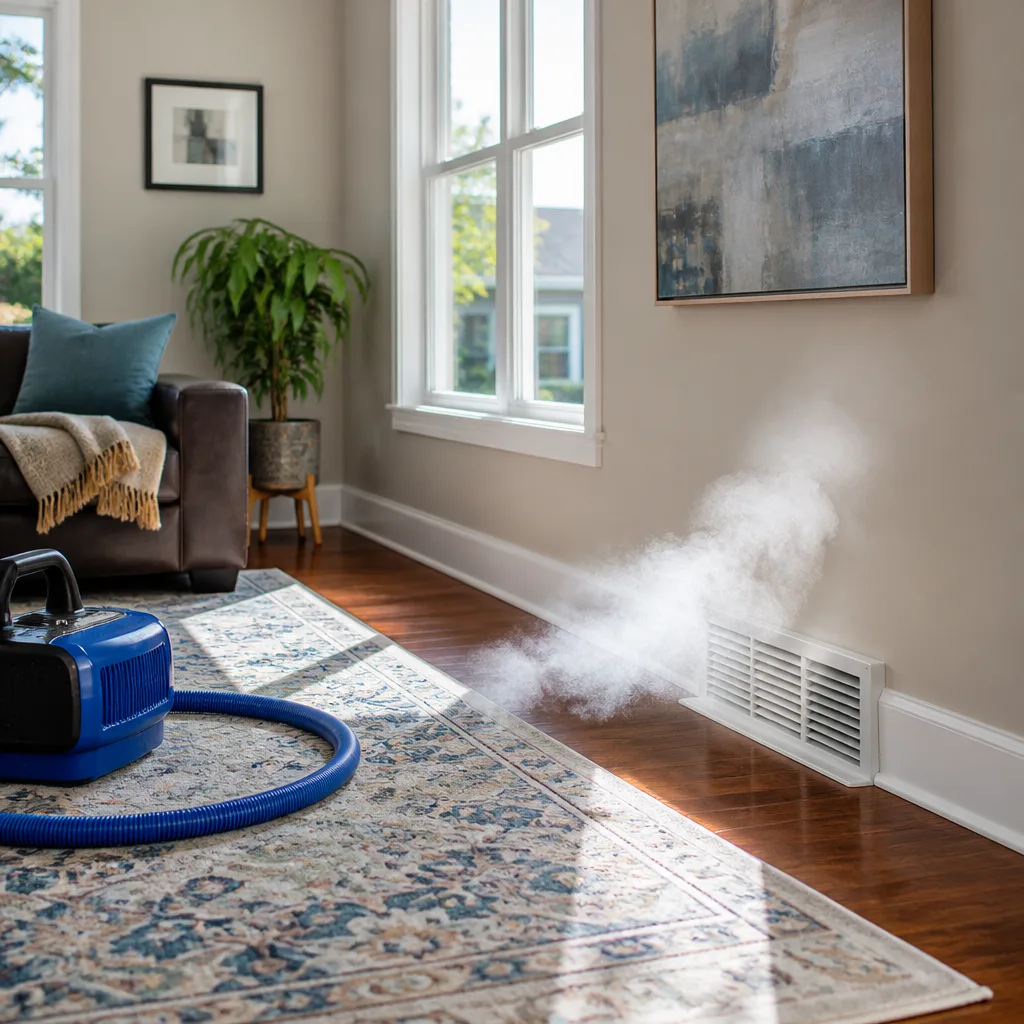 Sanitizing & deodorizing
Whole-system duct and dryer vent check with before-and-after photos - you see exactly what came out of your vents
That "$99 whole-house special" is a bait ad - the real number appears once they are in your hallway, or the "clean" is a shop-vac at the register. We photograph the inside of your ducts before and after instead.
Air Duct Cleaning Cost Breakdown: The Boca Raton Homeowner’s Reference for 2026
Here’s the part of duct cleaning nobody explains before you call: the two quotes on your counter may describe completely different jobs. One company prices by the vent, another by the square foot, a third hands you a flat number before anyone has looked at the attic. All three can be honest. All three can also hide a bait-and-switch behind a number that sounded simple. The only way to compare fairly is to understand what labor, equipment and scope sit under each price. In this reference we break down how duct cleaning pricing is actually structured in Boca Raton, what drives your number up or down, and what contract language protects you when the technician arrives.
Quick Answer
Air duct cleaning in Boca Raton typically runs from about $350 to $500 for a single-system home in good condition, and $500 to $900 for a larger or multi-zone system that needs multiple access points. Older homes with ductboard, flex runs in a hot attic, or visible contamination push the job toward the higher end. A written estimate that itemizes labor, access points, equipment and sanitization is the only quote worth comparing.
Key Takeaways
- Legitimate duct cleaning is priced per system, not per vent or per square foot. Per-vent pricing is the single most common source of invoice surprises.
- The three pricing models you’ll meet in South Florida (per vent, per square foot, flat rate) each create different incentives for the contractor. Ask which model a quote uses before you compare it to anything.
- What drives cost: home age, duct material, number of zones, attic accessibility, and whether sanitization and access cuts are included.
- Add-ons like UV lights and sanitizer applications are worth evaluating on their own merits, not because they were bundled into a package price.
- A written scope of work with a fixed price and a change-order clause is your protection. If the contract doesn’t say the price can only change with your written approval, you have no protection.
Styles & brands we work with
- Whole-home duct cleaning
- Dryer vent cleaning
- Camera inspection
- Sanitizing & deodorizing
Table of Contents
- Why Duct Cleaning Prices in Boca Raton Are So Hard to Compare
- The Three Pricing Models Used in South Florida
- What’s Actually Inside a Legitimate Duct Cleaning Price
- Boca Raton Cost Variables: Home Age, Duct Material, Attic Access
- Typical Cost Ranges by Job Type
- The Upsell Landscape: What’s Worth Evaluating
- How to Use a Written Scope of Work to Hold a Quote
- When Cleaning Isn’t the Answer: Duct Repair and Dryer Vents
Why Duct Cleaning Prices in Boca Raton Are So Hard to Compare
Duct cleaning is not a commodity, even though it’s often sold like one. Two companies can quote the same Boca Raton house at $299 and $900, and both numbers can be defensible. The $900 quote might include a truck-mounted vacuum, six access cuts, sanitization, and a technician who physically agitates the inside of every run with a rotary brush. The $299 quote might include a portable unit with a shop-vac-style body, one return grille removal, and forty minutes on site. Neither price tells you which job you’re getting.
The comparison problem is structural. There is no industry-wide unit of measure for duct cleaning the way there is for, say, painting (square feet) or roofing (squares). Because no standard exists, companies choose whichever pricing model makes their number look best next to a competitor’s. That’s not fraud. It’s marketing. Your job is to translate.
What actually varies between quotes
- What gets cleaned. Supply runs only? Supply plus returns? The air handler cabinet? The blower wheel? Each is a line item a thorough company prices separately.
- What equipment shows up. A Rotobrush system with a whip and rotary brush is a different category of cleaning from a portable vacuum with a hose. We name the equipment in our scope for exactly this reason: the brand on the machine tells you something about the job.
- How access is gained. Duct systems in Boca Raton attics are rarely laid out for convenient cleaning. Access cuts are sometimes necessary, and each one costs labor and a sealed cover afterward.
- What’s included versus added later. Sanitizer, coil cleaning, dryer vent cleaning, and UV installation are frequently unbundled so the base price looks lower. That’s a legitimate way to price, as long as the scope says so up front.
None of this means the cheapest company is dishonest or the highest is thorough. It means a single number without a scope is not a quote. It’s an opening bid. Ask for the written scope before the two quotes go head to head.
The Three Pricing Models Used in South Florida
Every duct cleaning quote you receive in Boca Raton will use one of three models: per vent, per square foot, or flat rate. Each model reflects a real business reality, and each one shapes what a contractor is motivated to do on site. Understanding that incentive is how you spot the setup before the invoice surprises you.
1. Per-vent pricing
The company charges a set figure per register, typically ranging widely. The obvious problem: a homeowner can count their own vents before the call, so per-vent pricing is easy to comparison-shop. The less obvious problem: a house with twelve registers and a house with twelve registers can need wildly different amounts of work depending on run length, attic access, and contamination. Per-vent pricing flattens all of that into one number, which means the short-run easy house subsidizes the long-run hard one. It also creates an incentive to pack more vents into each hour of labor, which rewards speed over thoroughness on every single run.
2. Per-square-foot pricing
This model treats the home’s square footage as a proxy for how much ductwork exists. In a subdivision full of similarly built homes, that works acceptably. In Boca Raton’s mixed housing stock, where a 1,600-square-foot ranch and a 1,600-square-foot two-story have radically different duct layouts, square footage is a weak proxy. Square-foot pricing also invites upselling after arrival: the estimator never saw the attic, so the “actual size” turns into an adjustment at the door.
3. Flat rate per system
Flat-rate pricing quotes a single figure for cleaning a complete air distribution system, with the scope of work spelled out. This is the model we use, and it’s the only one where the quote and the invoice can be compared directly. The contractor takes the risk of an attic that turns out harder than expected. What it demands from the homeowner is a written scope: what counts as “the system,” how many access points are included, and what happens if additional work is needed.
Which model should you choose?
You should choose whichever model arrives with a written scope. Any of the three can be run honestly. None of them means anything on a phone quote. When you compare two estimates in Boca Raton, first confirm they’re on the same model, then compare the scope line by line. A per-vent quote and a flat-rate quote do not speak the same language, and comparing them is how people get talked into the $299 that becomes $1,400.
What’s Actually Inside a Legitimate Duct Cleaning Price
Underneath the price model is a set of real costs the contractor is paying for. When a quote is unusually low, one of these components has been cut. Here’s how to spot which one.
Labor hours
A thorough whole-house cleaning in a Boca Raton home with two or more zones commonly involves two technicians and several hours on site, sometimes more. The work is physical, hot, and done in an attic that is warm even in January. If a quote implies the cleaning will take under an hour for a whole house, ask what’s covered. Speed itself isn’t wrong, but whole-house systems don’t ignore the returns.
Equipment type: truck-mount versus portable
Truck-mounted vacuum systems pull a much higher volume of air than portable units and typically generate stronger negative pressure inside the ductwork, which is what keeps loosened debris moving toward the vacuum rather than into your rooms. Portable systems can do solid work in the right hands, especially with a rotary brush inside the duct. The question to ask is not “truck-mount or portable?” but “how do you agitate the debris inside the duct wall?” A tool that physically scrubs the inside surface (which is what the Rotobrush system is designed for) does work that suction alone cannot.
Access points
Most residential duct systems don’t have enough access holes for a thorough cleaning. Typical jobs on older Boca Raton homes involve cutting extra access points into the trunk or branch lines, cleaning through them, then sealing them correctly afterward. Access cuts take time and materials. A quote that includes them is more honest than one that hides the decision until the technician is in the attic.
Sanitization
Chemical sanitizer application is sometimes included in a base price and sometimes added on. It’s a distinct service with a distinct cost. Ask whether the quote includes it, whether it’s EPA-registered for HVAC interiors, and whether it’s applied after the cleaning or instead of it. Sanitizer is the last step of a proper job, not a substitute for mechanical cleaning.
Post-job verification
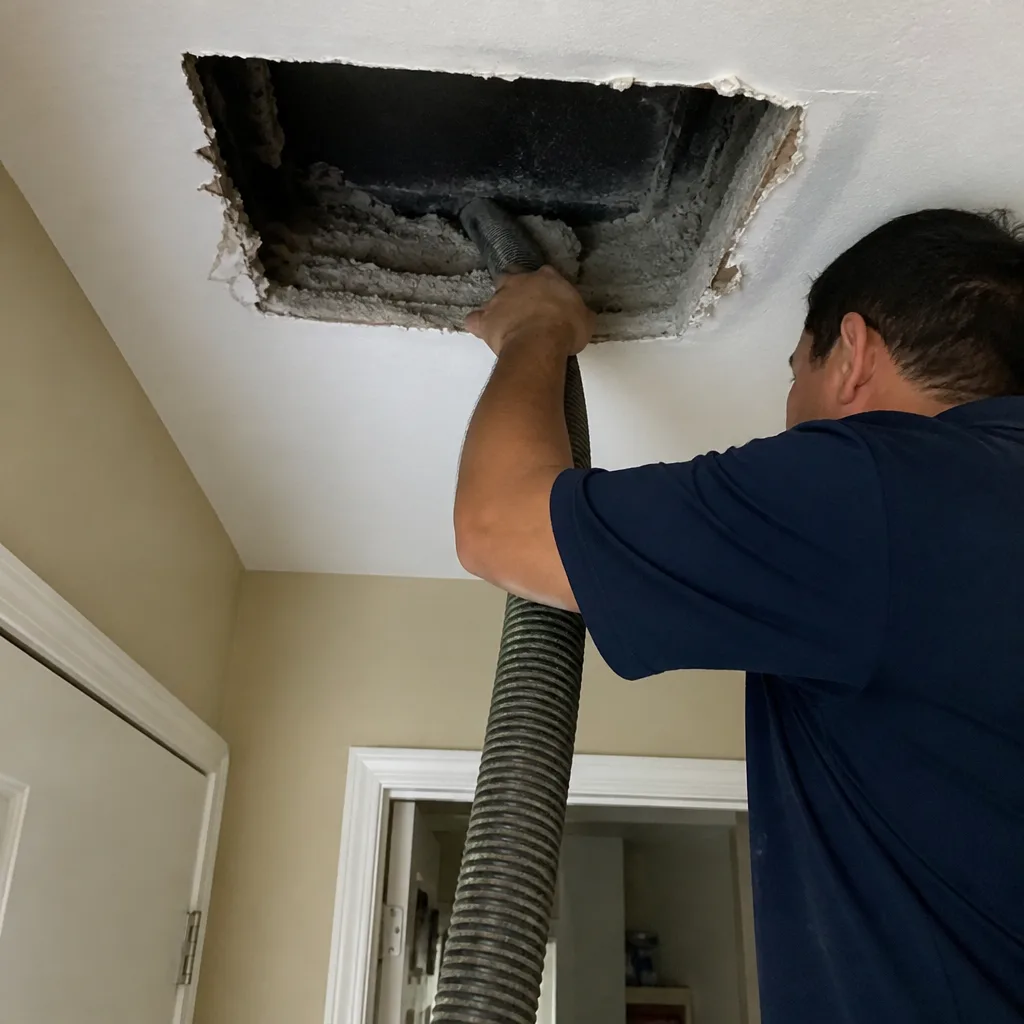
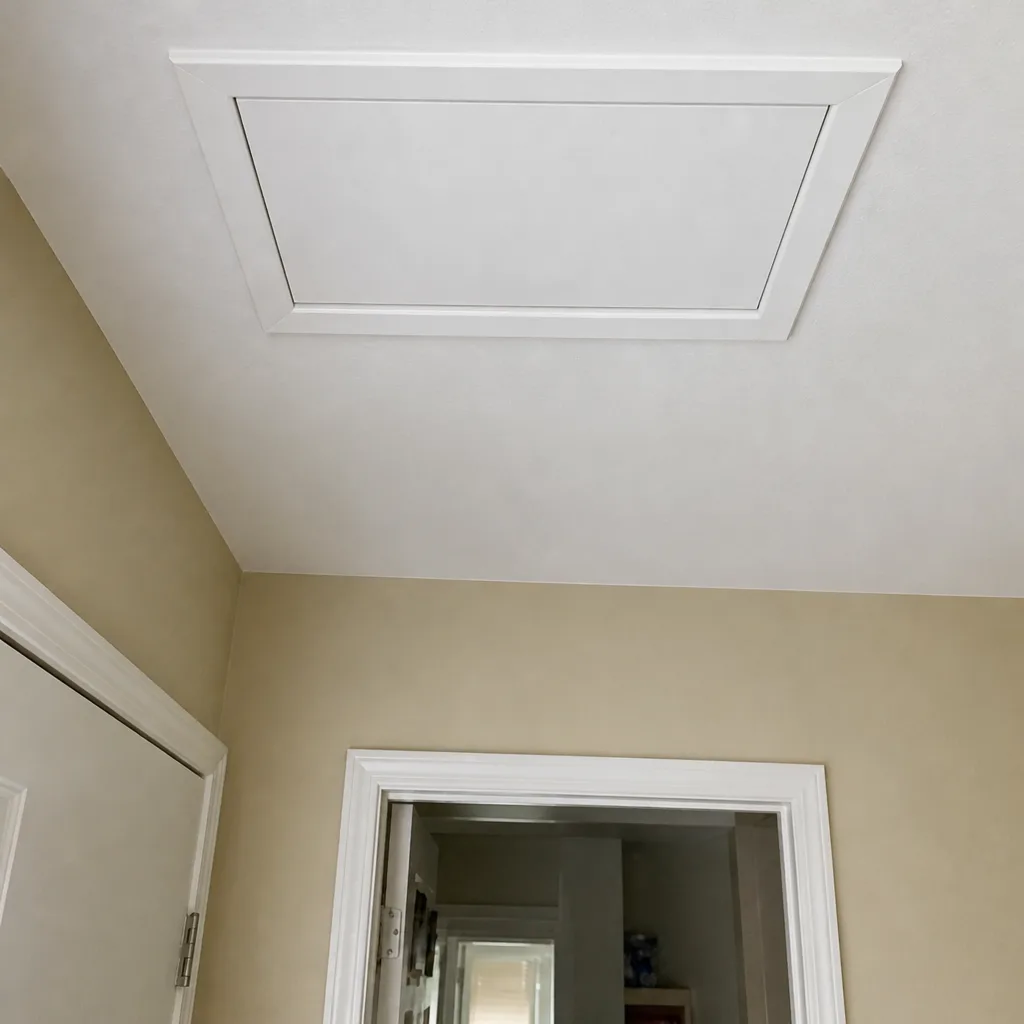
A complete job ends with photos: before-and-after shots of your own ductwork and returns, taken on your property and shared with you. If the quote doesn’t mention verification, you’ll want to ask how you’ll know the work happened. This is not an adversarial question. It’s the same question a competent contractor asks himself.
Boca Raton Cost Variables: Home Age, Duct Material, Attic Access
The single biggest swing factor in a Boca Raton duct cleaning quote has nothing to do with the company. It’s the house. Two homes of the same square footage can need very different amounts of work, and the reasons cluster around three variables.
Home age
Older homes in Boca Raton frequently have original duct systems that predate modern attic insulation standards. That matters because a duct system that has spent years in a warm, humid attic has often accumulated more than dust: there can be loose insulation entering through gaps, microbial growth in the lining, and debris near the air handler that newer systems don’t have. A house built in the last decade is often a smaller-scope job. A house built forty or fifty years ago is usually a real cleaning job, and the quote should phrase it that way.
Duct material: flex, sheet metal, ductboard
- Flex duct is common in slab-on-grade homes throughout Boca Raton and is efficiently cleaned with a soft rotary brush or whip on the right setting. Rough handling can collapse the inner liner, so low-pressure tools matter here.
- Sheet metal is durable, responds well to a proper rotary brush, and takes more aggressive agitation without damage. Older trunk-line systems often fall into this category.
- Ductboard is the most sensitive. Its interior surface is fibrous, and improper cleaning can leave the material frayed. Ductboard requires knowledgeable hands and correct equipment settings. If a Boca Raton home has ductboard runs, ask specifically how the technician handles them; the answer tells you a lot about the company.
System configuration
A single-zone system with one return is a simpler job than a two-story or split-zone system with multiple air handlers. Each additional zone adds trunk line, branch runs, and often a second plenum to clean. Multi-zone homes in Boca Raton are commonly priced as a larger flat-rate job for exactly this reason.
Attic accessibility
Every acre of attic is a different job. Low-pitch attics with limited crawl space require more careful work than attics with a clear walking path around the air handler. Access is not a reason to raise a price after arrival. It’s a reason the written scope should describe what’s accessible and what isn’t.
When we estimate a duct cleaning job, we ask about the home age, the duct material, the number of zones, and the attic layout before we set a firm number. That’s how the estimate holds on the day of service.
Typical Cost Ranges by Job Type
Here are the ranges we see across Boca Raton jobs for common residential scopes. These are estimates for a typical single-family home, not fixed prices. The written estimate after we understand your system sets the actual number.
| Job Type | Typical Estimate Range | What It Usually Includes |
|---|---|---|
| Single-system home, good condition | $350 – $500 | Supply and return cleaning, standard access, before-and-after photos |
| Larger or multi-zone system | $500 – $900 | Multiple trunks, additional access points, thorough agitation per zone |
| Older home with ductboard or heavy contamination | $600 – $900+ | Careful handling of ductboard, extra access cuts, sanitizer if scoped |
| Dryer vent cleaning | $120 – $250 | Lint removal along the full run, exterior termination check, safety inspection |
| Air duct repair (sealing, reconnecting, replacing damaged sections) | Quoted per job | Assessment first, repair scope in writing, includes affected run work |
Two things to read carefully in that table. First, dryer vent cleaning is a separate service, not a “package add-on.” It’s a fire-safety service and should be priced and described as one. Second, duct repair is not a flat rate; the scope of a repair varies enormously from a disconnected flex run to a leaky trunk joint, and the honest approach is to assess first and quote after.
If you’re comparing our ranges against a quote that you’ve received elsewhere, compare the scope too. The number means nothing without the line items. For a full description of what our air duct cleaning covers, we list every component in writing before the visit.
The Upsell Landscape: What’s Worth Evaluating
The technician is in your attic. The base price felt reasonable. Within fifteen minutes you’ve been offered sanitizer, a UV light, an air purifier upgrade, a dryer vent cleaning, and a coil treatment. Some of those are legitimate services that make sense for your home. Some are margin builders. Here’s how to sort them.
Sanitizer application
Worth evaluating when there has been a documented moisture issue, microbial growth, or an odor problem the cleaning itself hasn’t solved. Applied after mechanical cleaning, sanitizer has a real role. Applied as the “cleaning,” it doesn’t. Ask whether the technician will be agitating and extracting first, and whether the sanitizer is approved for HVAC interiors. If the answer to either is no, decline and revisit after the cleaning.
Dryer vent cleaning
Worth evaluating, and honestly worth scheduling regardless of the duct cleaning. The dryer vent is a separate system with a separate failure mode, and lint buildup is a leading cause of house fires. This isn’t an upsell in the margin sense: it’s a second job that should be priced and scheduled on its own merits. See our dryer vent cleaning service for what a proper vent cleaning covers.
UV light installation
Worth evaluating on the basis of the equipment. A UV system from a brand like Honeywell or Aprilaire in the supply plenum is a real product with a defined purpose. The question is whether it addresses a problem you have. If you have a wet coil, high humidity inside the air handler, or persistent microbial complaints, a UV light installed correctly can help. If your ducts were dirty and are now clean, the UV light isn’t doing the job cleaning did. Evaluate it as equipment, not as an add-on to the cleaning invoice.
Coil cleaning
Worth evaluating when the technician can show you the coil. If a coil is visibly fouled with debris, cleaning it makes the whole system work better. If the technician describes “coil cleaning” as part of the routine package without showing you anything, ask for a photo. If a photo isn’t available, the coil wasn’t inspected.
What to decline without a scope
Any add-on that gets priced verbally, on the spot, without a written line item, especially if it’s presented as “we recommend” rather than “we noticed.” A trustworthy recommendation includes what was observed, what the fix is, and what it costs in writing. Decline anything that arrives as a number on a clipboard. Rebook it as a separate job with a separate estimate.
How to Use a Written Scope of Work to Hold a Quote
A written scope of work is a document, not a phone quote. It’s the difference between “we’ll clean your ducts for $550” and a document that says which components of the system are covered, how many access points are included, what happens if additional work is needed, and what proof of completion you’ll receive. The scope is your protection. It is also the document you’ll be glad you have if the technician’s number changes at the door.
- Confirm the pricing model is stated. “Flat rate per system” and “per vent” mean different things at the end of the job. The scope should say which is being used.
- List the components included. Supply trunks, supply branches, returns, air handler cabinet, blower wheel: the scope names what’s in and what’s out. Anything not named is not included.
- Confirm access-point policy. If extra access cuts are allowed at a stated price per cut, that’s a quote. If they’re “additional charges may apply,” the price is not fixed.
- Confirm sanitizer status. Included, not included, or weather-dependent. The scope should say “yes” or “no,” not “available on request.”
- Read the change-order language. The scope should say the price cannot change without your written approval. If it doesn’t, assume any verbal promise in the attic is a suggestion, not a commitment.
- Confirm the proof-of-completion deliverable. Before-and-after photos of your own ductwork should be promised in the scope, not offered as a courtesy. If the scope is silent on photos, ask for the deliverable in writing.
- Confirm who performs the work. If the company subcontracts, that’s not automatically a problem, but the scope should say so. You should know who is showing up.
Contract language that signals you have no protection
- “Pricing subject to change upon inspection.” Reasonable for legitimate unexpected conditions, but if it’s the only pricing clause in the contract, you’ve agreed to a variable price with no ceiling.
- “Additional charges for access as needed.” No number, no cap. Ask for a stated per-cut price before signing.
- “Sanitizer available at technician discretion.” This means the technician decides on site. Ask for a fixed inclusion or exclusion.
- “Final invoice may vary.” The only acceptable version of this clause reads “final invoice may vary only with homeowner written approval of a change order.” Anything else, ask them to strike the clause.
Companies that mean what they say on the phone have no trouble writing a fixed scope. If a written scope is hard to get, that itself is the answer. Rotobrush and Nikro equipment are visible commitments to the work. The written scope is the same commitment in paper form.
When Cleaning Isn’t the Answer: Duct Repair and Dryer Vents
Some duct problems don’t respond to cleaning. A disconnected flex run, a collapsed branch, a sagging trunk with water damage, a joint that’s been leaking so long it’s pulled away from the plenum: these are repair problems. Cleaning the ducts in a system that is leaking 20 percent of its air into the attic is cleaning the wrong thing.
How you know it might be repair
- You see a temperature difference between rooms that no amount of cleaning will fix.
- You can hear air movement in the attic when the system runs.
- You have rooms that never reach the set temperature while other rooms are cold.
- A previous technician mentioned “the flex is kinked” or “that joint is loose.”
- Your air handler sits in an attic with visible duct tape coming loose at the joints.
Why we handle repair and cleaning together
Most duct cleaning companies clean and stop there. When the attic reveals repair, they hand you the problem back and suggest calling someone else, often a general HVAC contractor who doesn’t specialize in ductwork. We handle both: cleaning, then repair on the same job, with one scope and one accountable technician visit. That matters on a Boca Raton home where the cleaning company and the repair contractor otherwise charge two trip fees and coordinate nothing. Repair capability is a real differentiator for us, and we name it because it changes the price structure of a lot of jobs.
Dryer vent cleaning as a safety service
The dryer vent is a separate system from your HVAC ductwork, and it’s a fire-safety service, not a routine add-on. A clogged vent traps heat and lint. When it fails, it fails fast. If you haven’t had the vent cleaned in several years, or you can’t remember the last time it was, treat it as the higher-priority call. It’s not optional maintenance the way duct cleaning can sometimes be described. It’s a straightforward safety step.
The brands we work with
We use Rotobrush and Nikro systems for the cleaning, and we work with equipment from Honeywell, Aprilaire, Abatement Technologies, and Guardsman on the air quality side. These brands matter to a scope because they define categories: filtration, humidity control, contaminant abatement. If a contractor can’t name the equipment in the scope, you’re probably being quoted on a promise.
Common Mistakes to Avoid
- Comparing per-vent quotes to flat-rate quotes. A $35-per-vent bid on a 14-vent Boca Raton home isn’t a $490 flat rate. It’s a variable-price contract. Compare model to model before you compare dollars.
- Accepting a phone quote as a firm price. Ductwork is attic-dependent. Anyone who quotes firmly over the phone without knowing your system is either guessing or planning to revise at the door. A firm number should follow a scope.
- Skipping the written scope because “the price sounded fair.” The scope is not the paperwork. It’s the protection. Without it, the number in the attic is whatever the technician decides.
- Adding sanitizer before the cleaning. Sanitizer applied to a system that hasn’t been mechanically cleaned doesn’t sanitize anything meaningful. Cleaning first, then sanitizer, or no sanitizer.
- Assuming newer construction doesn’t need it. Flex duct in a Boca Raton attic still accumulates debris, and builder-grade systems often under-vent returns. Age of home is a variable, not a disqualifier.
- Ignoring the dryer vent on the same call. Add it when the technician is already on site. Scheduling a separate visit for the vent is fine, but the price is usually the same as adding it now and the safety issue is real.
- Paying for “coil cleaning” without a photo of the coil. A coil that wasn’t photographed is a coil that wasn’t inspected. The photo is the evidence, and any honest technician will ask you to look at it.
See the difference
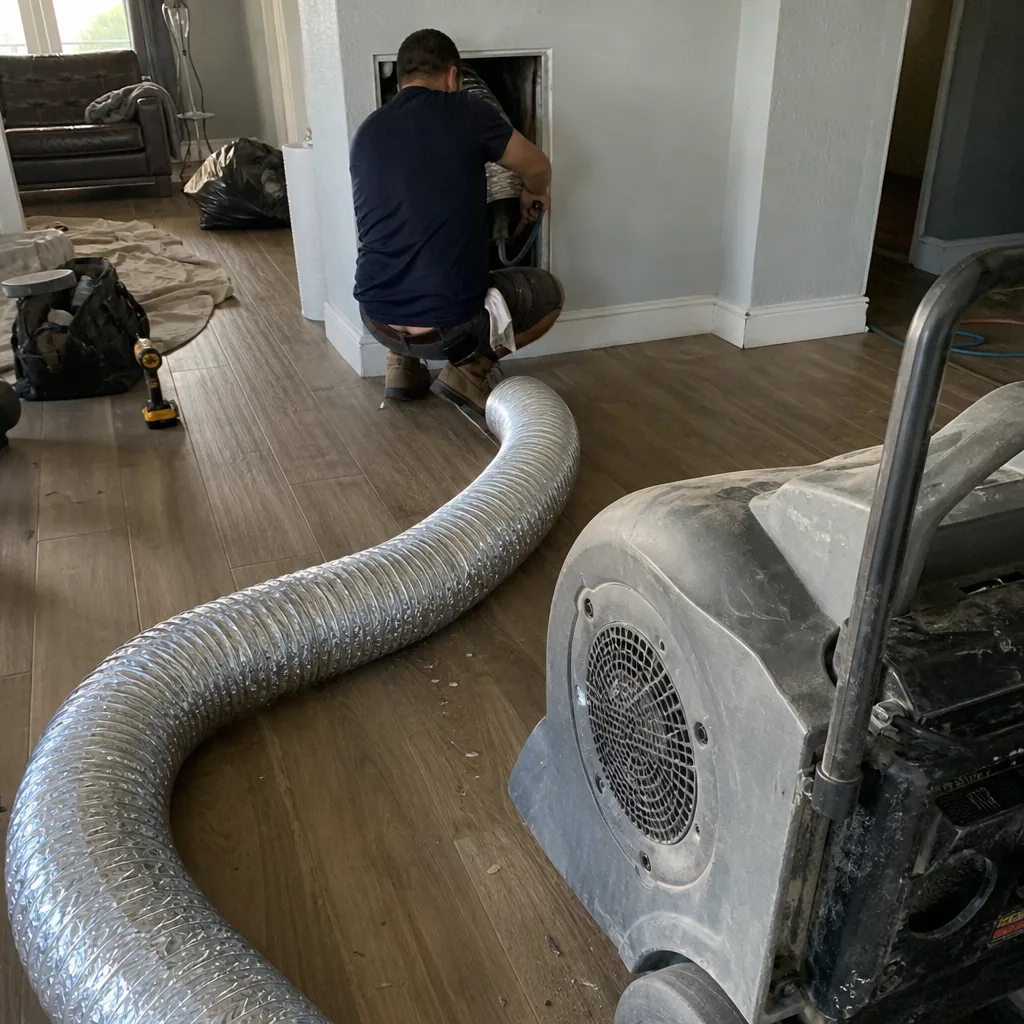 Before
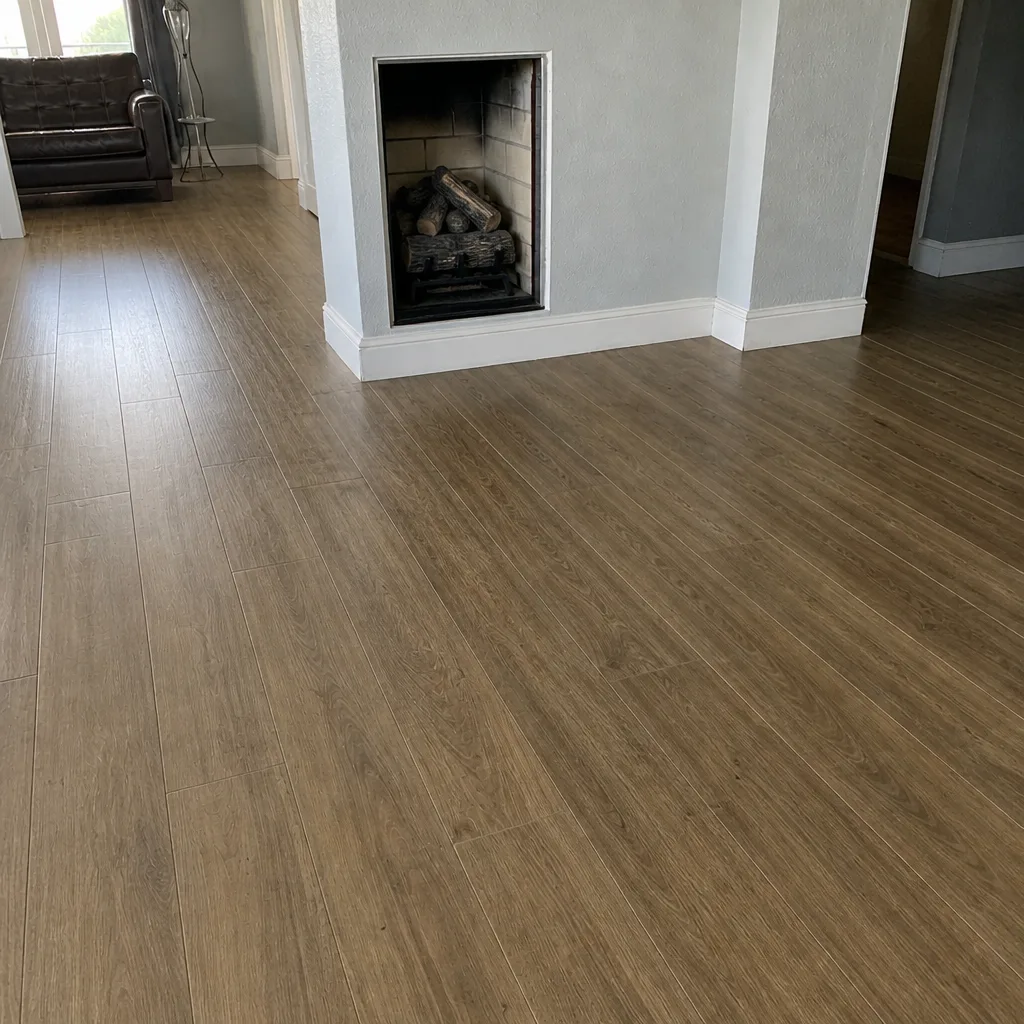 After
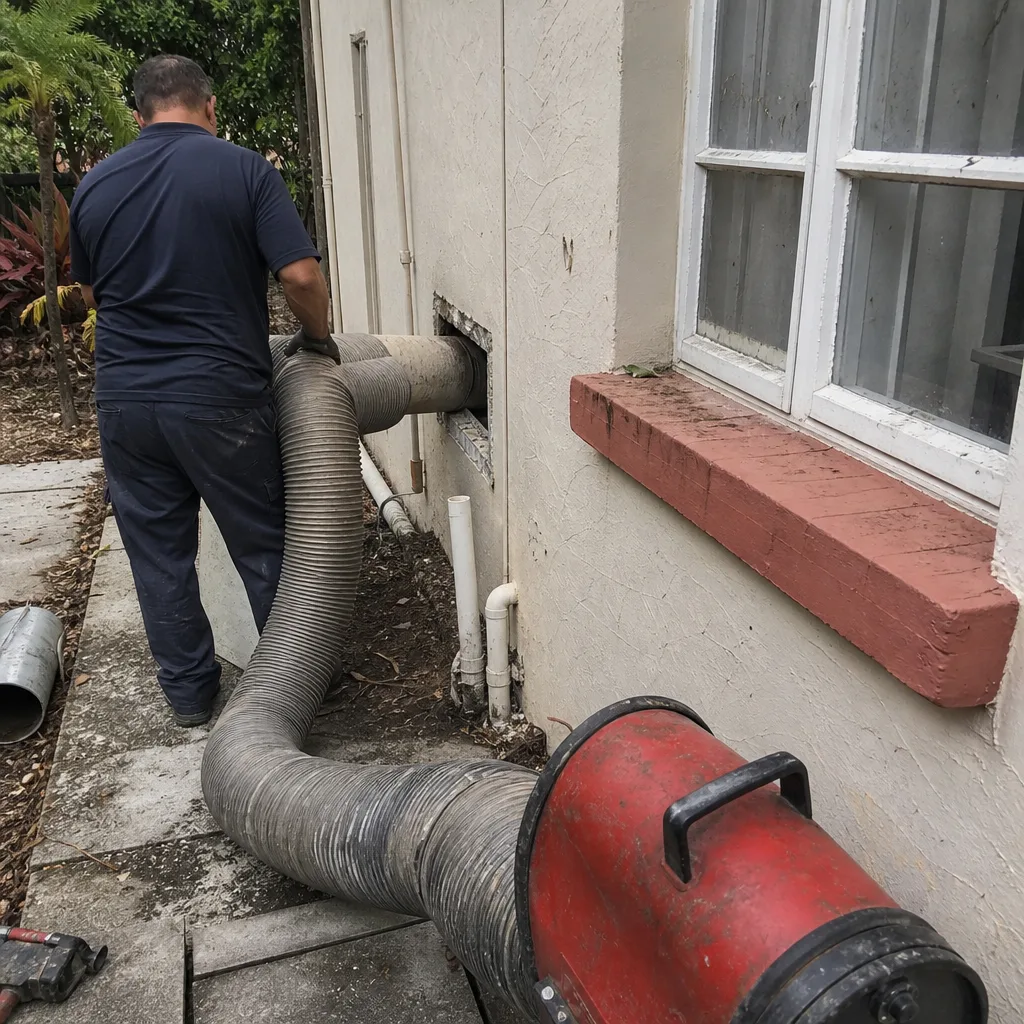 Before
 After
 Before
 After
When to Call a Professional
Call a professional when you can see or smell what’s inside your ducts and cleaning alone won’t fix it. Persistent musty odors after a system runs, visible debris coming out of supply registers, a musty smell that returns within days of turning the system on, allergy symptoms that track with HVAC activity, or a home purchase that came with no duct service history are all reasons to get a proper assessment. Duct repair work – sagging flex, disconnected runs, hissing joints in the attic – belongs with a specialist, not with a general handyman. Dryer vents that haven’t been cleaned in several years deserve a call on safety grounds. If any of these situations describes your home, a written estimate is the right next step. Ashton Air Duct Cleaning offers free estimates in Boca Raton: call (888) 894-0255.
Frequently Asked Questions
Most Boca Raton residential duct cleaning jobs land between about $350 and $500 for a single-system home in good condition, and up to $900 for larger, multi-zone homes or older homes with ductboard and heavy contamination. Those are estimate ranges, not fixed prices. The written estimate after an assessment sets your actual number. Call (888) 894-0255 for an exact quote; estimates are free.
Usually because the scope is smaller. A quote that doesn’t include returns, access cuts, or thorough agitation per run is a different job than one that does. Some cheap quotes are honest but minimal; some are setup prices that grow once a technician is in the attic. Compare the written scope, not the headline number, and call (888) 894-0255 if you’d like us to review a quote with you.
Before-and-after photos of your own ductwork and returns, taken on your property and shared with you. A competent technician takes these as part of the job. If a company can’t show photos of your system, you can’t verify the work. Call (888) 894-0255 for a free estimate that spells out the proof-of-completion deliverable in writing.
Most homes don’t need it on a fixed schedule. Every few years is a typical interval for a home with standard debris accumulation; homes with pets, recent renovation, water intrusion, or a new purchase often need it sooner. Visual and odor cues usually tell you before a calendar does. Call (888) 894-0255 for a free estimate and an honest read on timing for your home.
No, it’s a separate system and a separate service. We price it on its own because it addresses its own safety issue. If you haven’t had your dryer vent cleaned in several years, treat it as the priority call. Call (888) 894-0255 for a free estimate on either service, or both together.
Both. We handle cleaning, repair, and dryer vent cleaning as three distinct services under one accountable visit. That matters when a cleaning assessment reveals sagging flex, disconnected runs, or leaks: you don’t need a second contractor. Call (888) 894-0255 for a free estimate that covers the whole scope.
The Bottom Line
Two duct cleaning quotes on the same Boca Raton home can both be honest and still differ by hundreds of dollars, because the pricing models don’t match, the scopes don’t match, and the equipment behind them doesn’t match. The fix isn’t to find the cheapest number. It’s to translate every quote into the same language. Confirm the pricing model. Read the scope of work. Check what’s included in labor, access points, sanitization, and proof of completion. Read the change-order language before you sign. If all of that holds up, the number will be fair. If it doesn’t, the number is a starting point that will move.
The three services that matter here are cleaning, repair, and dryer vent work. Cleaning priced per system, on a written scope, with photos at the end, is the honest shape of the job. Repair is the capability that turns a cleanup into a fix. Dryer vent cleaning is the safety service that belongs on the list even when it hasn’t been offered. If you’re ready for a written estimate in Boca Raton, the phone line is open. Call (888) 894-0255. We answer 24/7. Fast dispatch from 7am to 7pm, Sunday through Friday. We’re closed on Saturday; a call that comes in then is booked into the next opening. Estimates are free, and we put the number in writing before work begins.
For more on our services in Boca Raton, and for the full details on how we approach Ashton Air Duct Cleaning, we’re glad to walk through the scope with you line by line before anything gets scheduled.
Written by the team at Ashton Air Duct Cleaning.