
Last updated November 15, 2026
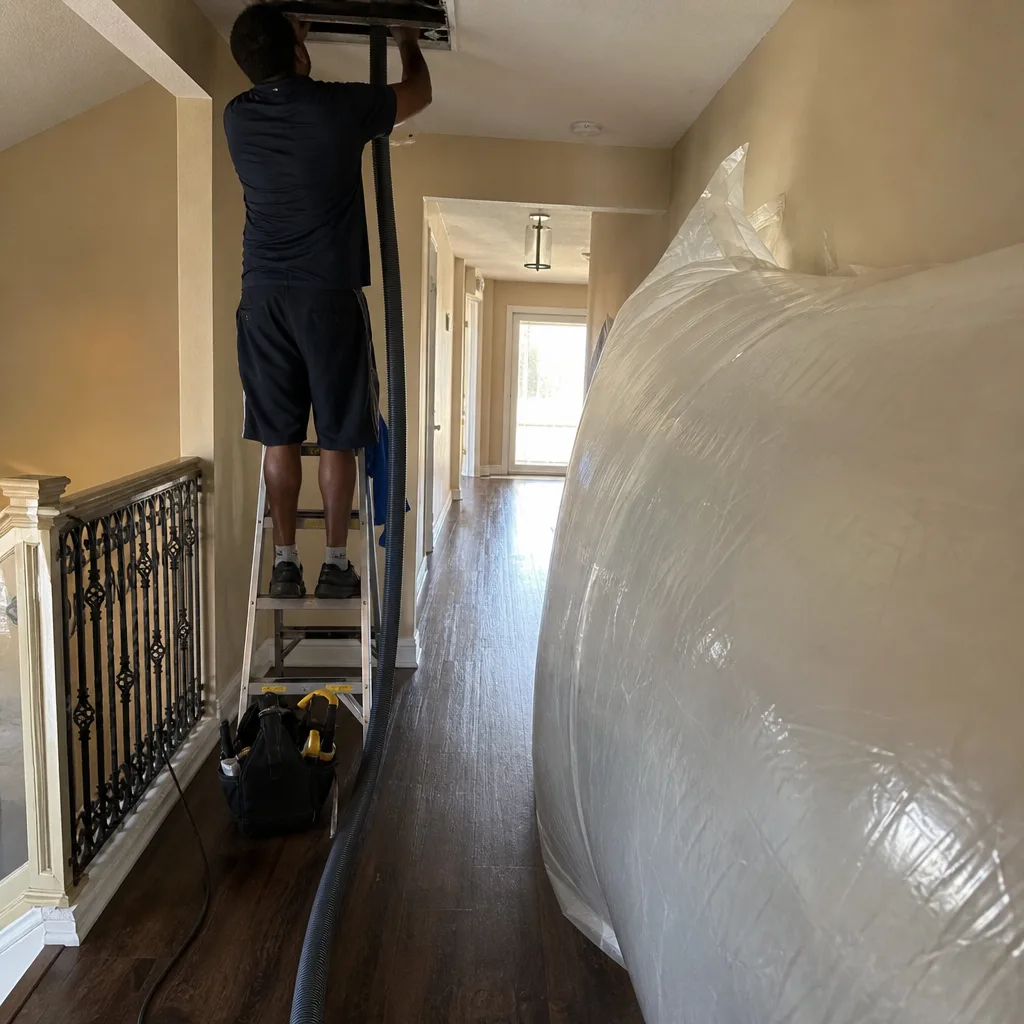
 Whole-home duct cleaning
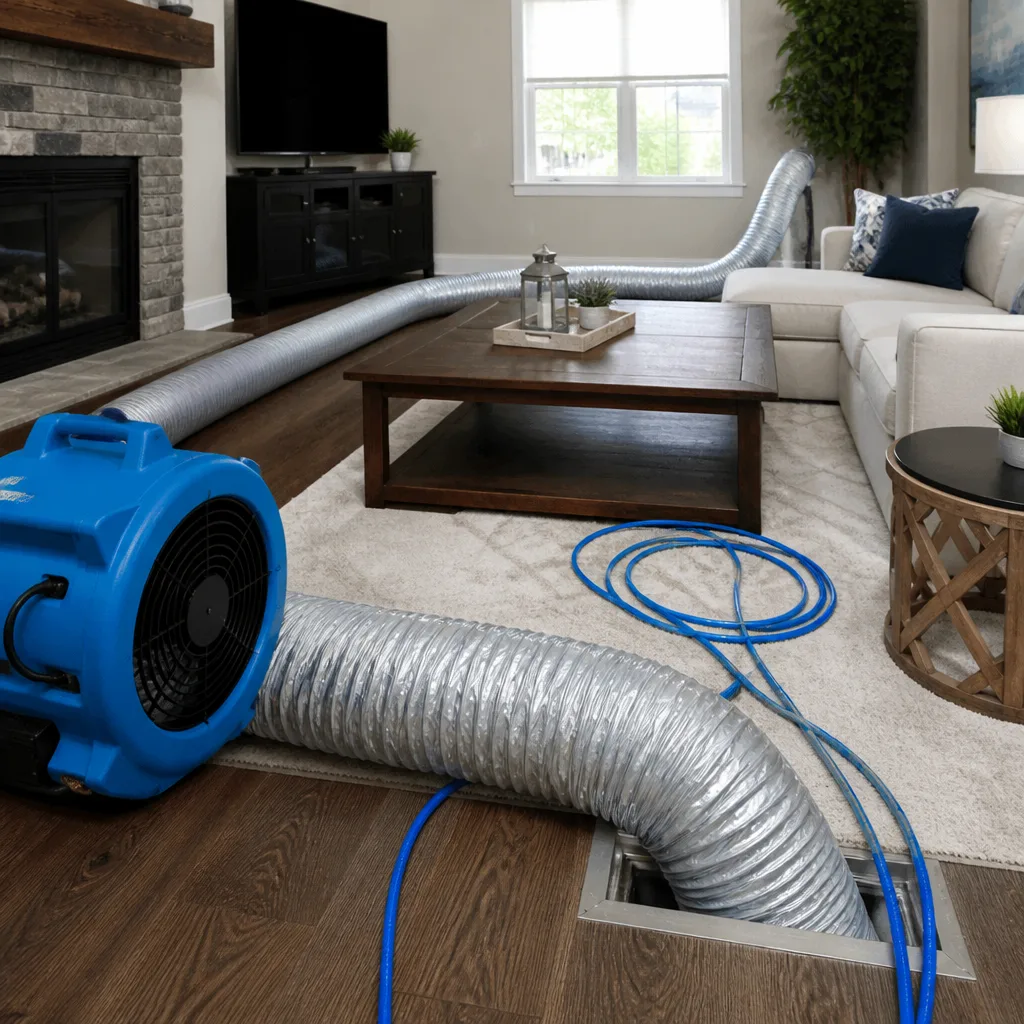
 Dryer vent cleaning
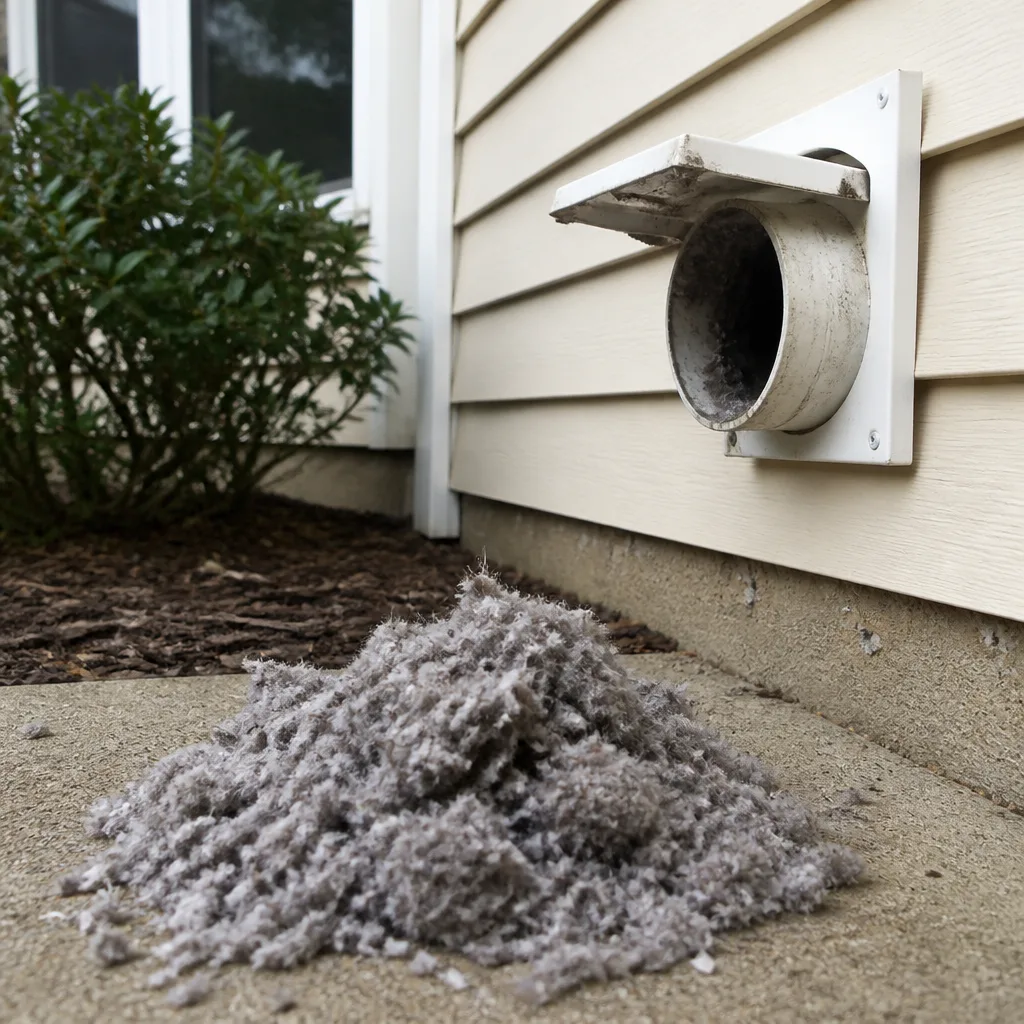
 Camera inspection
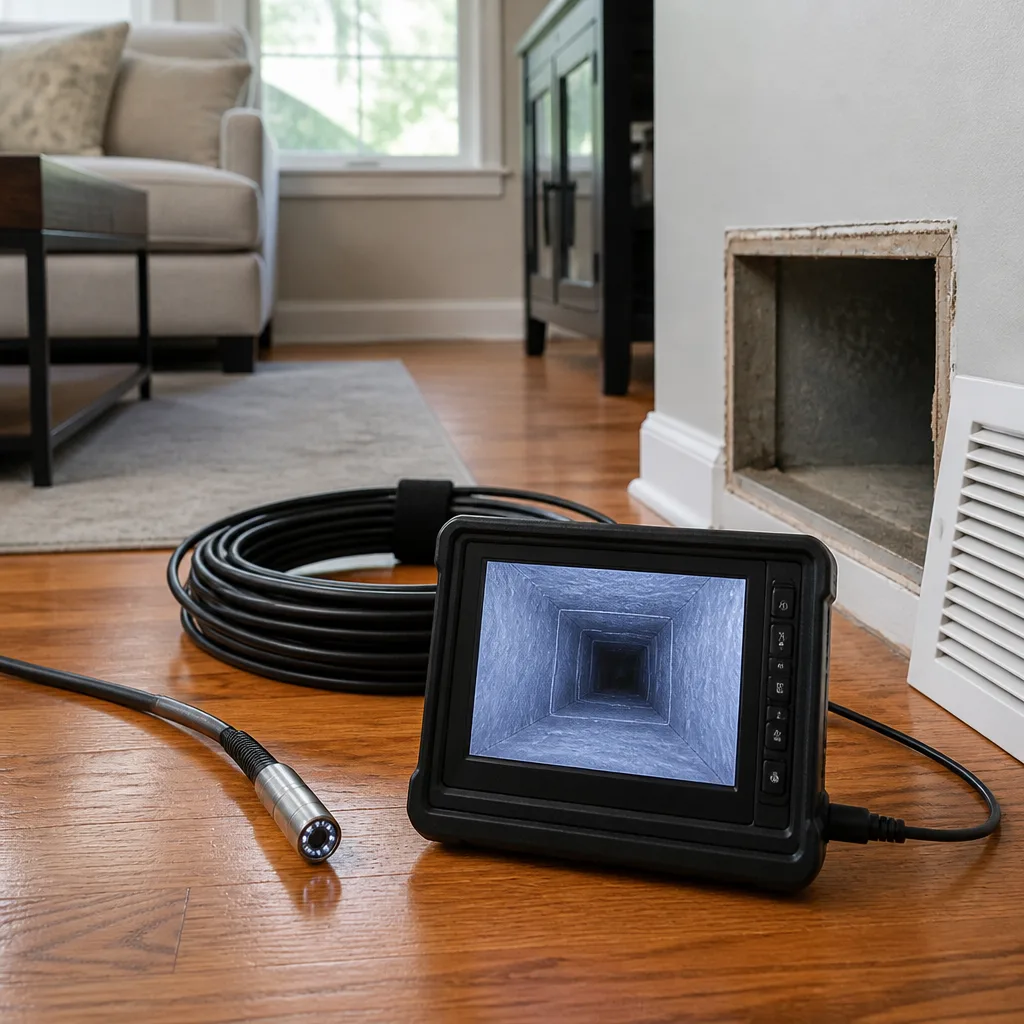
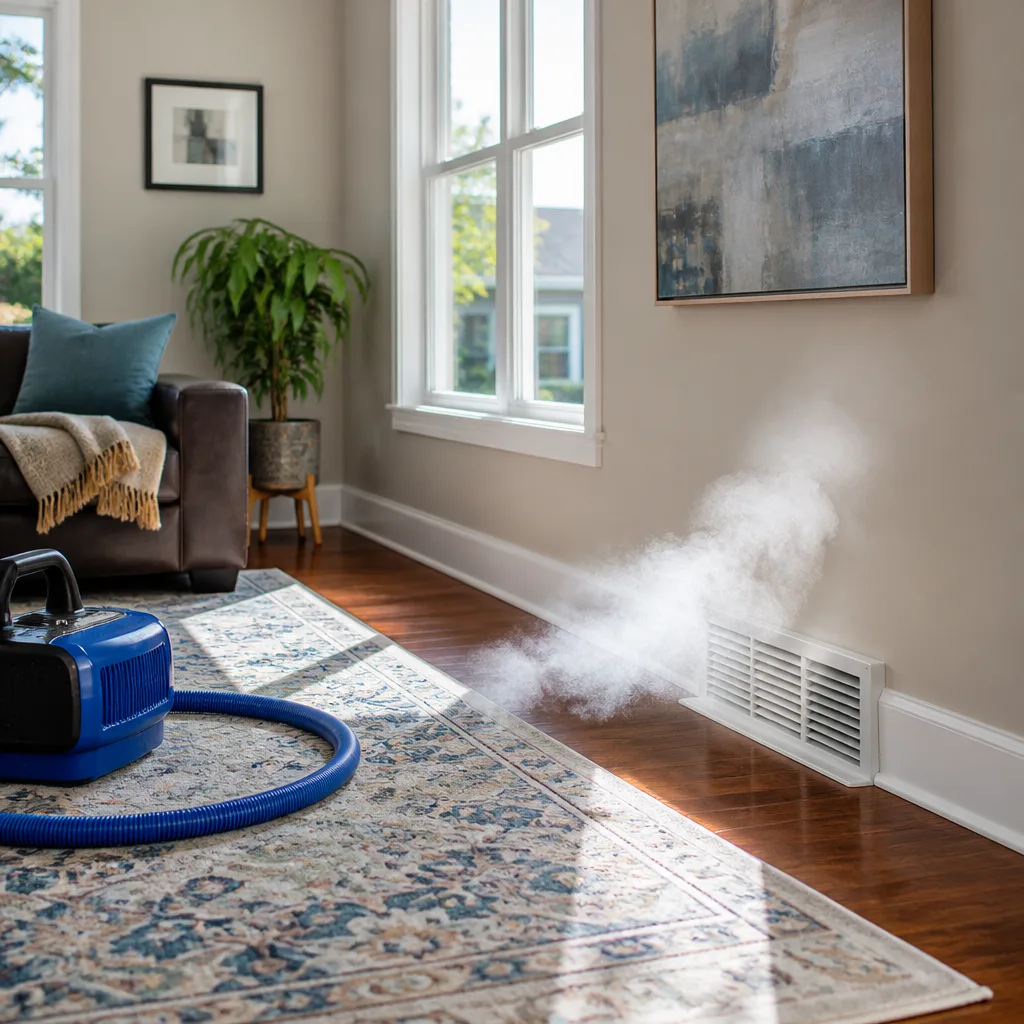 Sanitizing & deodorizing
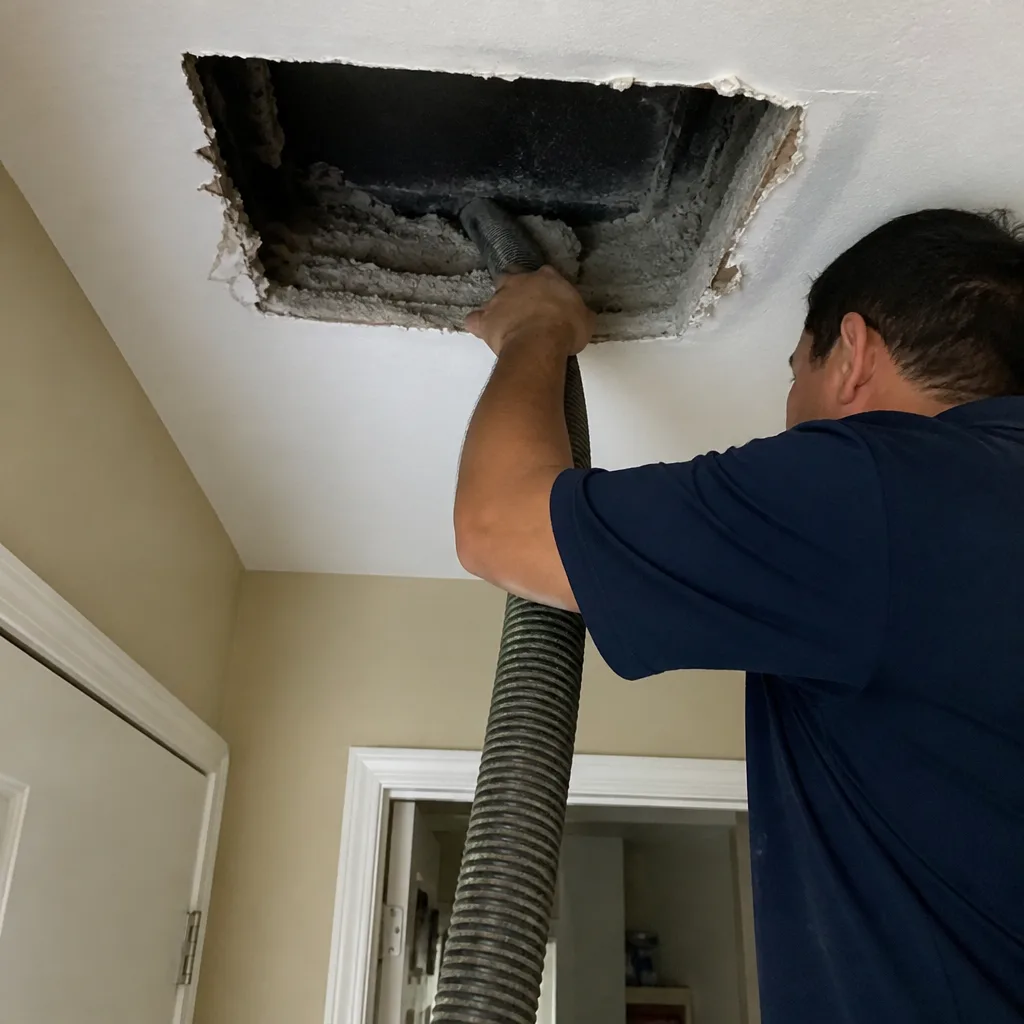
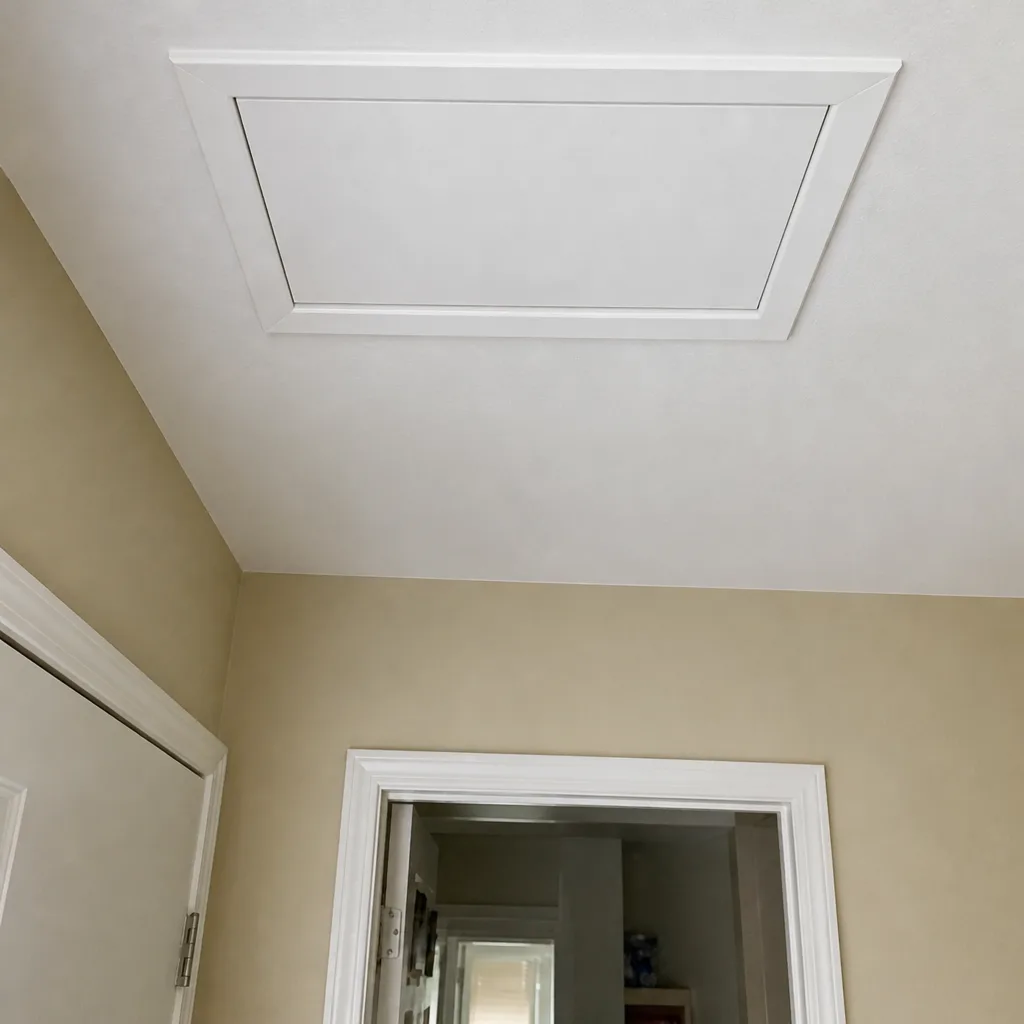
Whole-system duct and dryer vent check with before-and-after photos - you see exactly what came out of your vents
That "$99 whole-house special" is a bait ad - the real number appears once they are in your hallway, or the "clean" is a shop-vac at the register. We photograph the inside of your ducts before and after instead.
DIY vs Professional Air Duct Cleaning: The Boca Raton Homeowner’s Decision Guide
A dryer vent brush kit costs less than a dinner out, and a shop vac is already in the garage. So why would anyone pay a specialist? Because the tool on the shelf and the tool that actually cleans a duct system solve two different problems. A brush and a vacuum can wipe down a register face and clear a lint clog near the outside flap. Neither can pull debris out of the middle of a flex run while that debris is being knocked loose, and in a humid Boca Raton home that gap matters. This guide covers what homeowner tools honestly do, where their capability stops, and how to decide which side of the line your job falls on.
Quick Answer
For most Boca Raton homes, professional air duct cleaning beats DIY because consumer tools can agitate debris but cannot sustain the negative pressure needed to extract it from inside the duct system. DIY makes sense for three narrow jobs: cleaning register covers, replacing return filters, and clearing a short, accessible dryer vent run. Everything past the register face is a professional job.
Styles & brands we work with
- Whole-home duct cleaning
- Dryer vent cleaning
- Camera inspection
- Sanitizing & deodorizing
Table of Contents
- What Consumer Tools Can Actually Accomplish
- The Physics of Negative-Pressure Cleaning
- Why Disturbing Debris in a Humid Home Is Risky
- When Partial DIY Makes Sense
- When Professional Cleaning Has Clear ROI
- How to Prepare for a Professional Cleaning
- The Equipment Difference in Plain Terms
- Common Mistakes to Avoid
- When to Call a Professional
- Frequently Asked Questions
What Consumer Tools Can Actually Accomplish
Consumer duct tools do real work. They just do it in a very small zone, and knowing exactly where that zone ends is the whole decision.
Here’s what you can genuinely handle yourself:
- Register and grille faces. Pop the cover off, wash it in the sink or hose it outside, let it dry, and put it back. Dust and lint sitting on the slats come off easily. This is the single most visible part of the system and the easiest to maintain.
- Return air filters. Pull the filter, check it against the light, and swap it on the schedule your system calls for. A clogged return filter chokes airflow and makes everything downstream work harder. This one job protects the whole system.
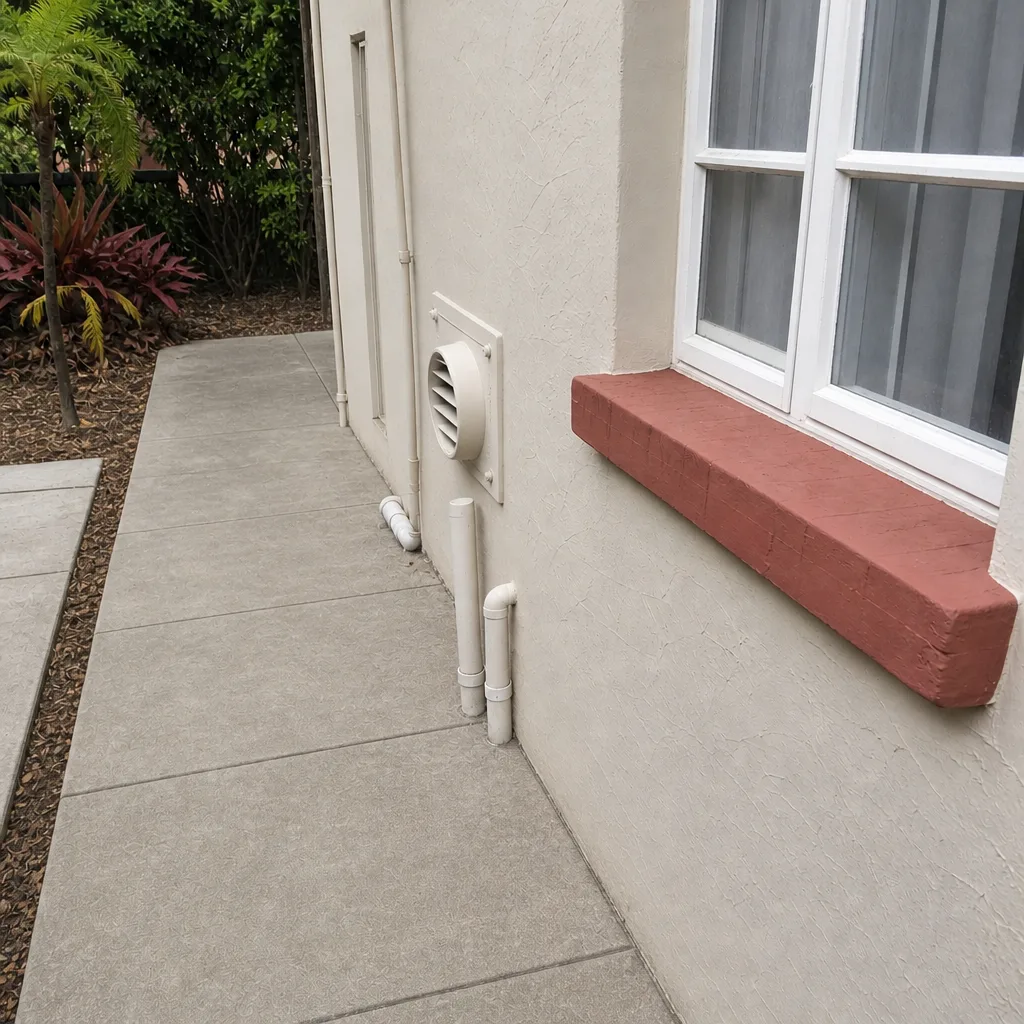
- Flexible dryer vent runs you can reach. If your dryer vent exits through a short, straight wall behind the unit and you can reach both ends, a vent brush kit can pull out lint. A shop vac can then clear the flap area.
- Visible debris around the register collar. Dust that’s collected right at the edge of the opening, within arm’s reach, can be wiped or vacuumed out.
That’s the list. Everything else – the trunk lines, the branch runs, the plenum above the air handler, the interior of flex duct, the spaces where dust actually accumulates – sits beyond what a handheld brush and a shop vac can reach with any real force.
Part of the reason is reach. Part is airflow. A typical shop vac moves a fraction of the air volume of a purpose-built duct cleaning system, and it loses suction quickly once the hose is long and the space is sealed. A brush spinning inside a duct stirs up debris fine. Getting it out is a different job, and that’s where the whole DIY question actually lives.
The Physics of Negative-Pressure Cleaning
Professional duct cleaning works by holding the entire system under continuous negative pressure while the ducts are being agitated. That single idea explains why homeowner tools fall short.
The sequence goes like this:
- The system gets sealed. Registers and returns are closed off or covered so air can only enter from controlled points.
- A high-volume vacuum connects to the system. The vacuum pulls from a main trunk line or the plenum, holding the whole duct network at negative pressure.
- An agitation tool runs through each branch. Rotary brushes or air whips physically break debris loose from duct walls while the negative pressure is running.
- Released debris moves toward the vacuum. Because the system is under suction the entire time, debris travels toward the collection point rather than into the room.
- Every branch gets the same treatment. Trunk lines, branches, and the air handler area are worked in sequence, not in isolation.
The key phrase is “the entire time.” Professional systems from Ashton Air Duct Cleaning use Rotobrush and Nikro equipment specifically because they agitate and extract simultaneously. If you stir debris inside a duct and the vacuum has already moved on, or was never strong enough to begin with, the debris settles somewhere else – often in the room, often in a different branch.
In our experience, that’s the single biggest reason consumer cleaning underperforms. The homeowner works a brush into a branch, sees dust come loose, and assumes the job is done. What actually happened is relocation. The dust that was sitting quietly against the duct wall is now airborne, and air takes the path of least resistance.
One more mechanical point, because it matters for anyone considering a DIY attempt: pushing a spinning brush down a sealed flex duct can twist or tear the inner liner if the brush catches a seam. Flex duct is thinner than the sheet metal in a trunk line, and it doesn’t tolerate snags. A torn liner means the system now leaks conditioned air into an attic or crawl space, which is a repair, not a cleaning.
Why Disturbing Debris in a Humid Home Is Risky
Boca Raton’s humid climate makes DIY duct work a higher-risk proposition than it is in a dry climate. Debris that’s been sitting in a duct system here has been sitting in a warm, damp environment, often for years.
Warm, humid air is what mold needs. Not all duct debris contains mold, and we’re not claiming every Boca Raton home has it. But the conditions that support mold growth – moisture, warmth, organic dust – are present in a lot of systems that haven’t been serviced. And that’s exactly why agitating debris without simultaneous extraction is the wrong move.
The sequence in a humid home goes like this:
- Debris has settled and compacted along duct walls over time, especially on the cool supply side.
- A homeowner runs a brush through. The settled layer lifts.
- Portable suction is too weak or too distant to capture the cloud.
- Spores and fine particulate re-enter the living space through the nearest open register.
- The homeowner notices more dust, or an allergic reaction, and concludes the cleaning “made it worse.”
That last box is where a lot of DIY duct cleaning ends. It’s not a question of technique. The tool can’t keep up with what the brush releases. Professional equipment holds the whole system under suction while the agitation happens, so debris and any spores that come with it get captured at the vacuum rather than entering the room.
Duct repair is the other angle here that DIY can’t cover. Humid air entering a system through a torn flex liner, a separated joint, or a poorly sealed register boot creates moisture problems inside the duct itself. A brush doesn’t fix that. Professional-grade air duct cleaning paired with duct repair addresses both the debris and the path that keeps letting humidity in. That combination matters more in Boca Raton than in places where the air is dry most of the year.
When Partial DIY Makes Sense
There are real scenarios where doing part of the job yourself is the right call, and pretending otherwise doesn’t help anyone. Here’s where DIY earns its place.
A single register looks bad and nothing else does. If one supply register in a bedroom is visibly dusted and the rest of the house seems fine, you’re looking at a register face, not a duct problem. Pull it, wash it, reinstall. Check the filter. If that clears it, you’re done.
You just bought a place and want to know what you’re working with. New-to-you Boca Raton homes often come with a duct system of unknown service history. Before scheduling a full cleaning, a homeowner can safely pull register covers, look inside with a flashlight, check the return filter, and note anything visible. That’s reconnaissance, not cleaning, and it’s useful information to bring to an estimate.
Your dryer vent exits close to the dryer on a short straight run. This is the one duct system most homeowners can legitimately handle, because reaching both ends is easy. A brush kit on a straight run clears typical lint accumulation. Clean the lint trap every cycle as part of this routine.
Post-renovation dust in one isolated area. If drywall work happened in a single room and you sealed that room during construction, the register covers and the filter in that zone can be handled locally. The ductwork behind them still may need professional attention, but you can knock down the surface layer yourself.
Budget constraints. If professional cleaning isn’t in the budget this year, doing the free stuff – filters, register faces, dryer vent – still protects the system. It just doesn’t clean the ducts. Knowing the difference matters so you don’t assume you’ve addressed a problem you haven’t.
Worth noting: dryer vent work carries a fire-safety weight that duct cleaning doesn’t. Lint buildup near a heat source is a leading cause of house fires. If your dryer vent run is long, has bends, or exits through the roof, that’s not a DIY job. Professional dryer vent cleaning reaches the parts of a complex run a brush kit can’t follow.
When Professional Cleaning Has Clear ROI
Professional cleaning is the better call whenever the problem is inside the duct system rather than on top of it. Here are the situations where the return on the spend is most obvious.
- Renovation or remodeling dust throughout the house. Drywall dust, sawdust, and construction debris spread through the whole system when the returns run during construction. Agitation without extraction just moves it around. Professional negative-pressure cleaning pulls it out.
- Visible debris at multiple registers or from the returns themselves. If you can see buildup at more than one register, or the return grilles look loaded, the system has an accumulation problem, not a surface problem.
- Allergies, respiratory sensitivity, or a household member recently diagnosed with a condition that responds to air quality. Contaminant control in a humid home is worth professional equipment. A system paired with proper filtration – Honeywell and Aprilaire components are common in Boca Raton homes – performs better when the ducts they feed are actually clean.
- A new home purchase with no service records. You have no idea what’s inside the ducts. A professional inspection and cleaning establishes a baseline you can maintain.
- A musty or stale smell that returns after cleaning the vents. Odors from a duct system usually originate inside the system, not at the register face.
- Recent water intrusion or a known moisture event. Humid, damp conditions inside ductwork need proper inspection. This is the case where duct cleaning alone may not be the full answer and duct repair may be needed.
- Dryer vent runs that are long, bent, or routed through ceiling or roof. This is a fire-safety service, and the equipment matters.
- Energy bills climbing without a clear HVAC cause. Leaking ducts bleed conditioned air. A professional inspection identifies leaks; duct repair fixes them.
Professional cleaning also includes something DIY can’t: an inspection of the whole system. Technicians see the joints, the connections, the plenum, and the airflow path. Our technicians have up to 8 years of experience with systems across Boca Raton, and they see issues that don’t show up in a flashlight view through a register. Leaking flex duct, poor seals at boots, disconnected runs – all get noticed during a professional cleaning. The Boca Raton housing stock includes a wide mix of build eras and duct layouts, which is why an inspect-during-cleaning approach pays off.
How to Prepare for a Professional Cleaning
A homeowner who prepares well gets more out of a professional cleaning. These steps take an hour or two and let the technician spend the visit working on the ducts rather than clearing access.
- Clear the floor space around every register. Furniture, rugs, and decor that block access add time. If a register sits behind a heavy bookcase or under a bed frame, move what you can.
- Clear access to the air handler. The technician will need room around the unit and the plenum. Move stored items out of the way and make sure the closet or utility space is accessible.
- Turn off the HVAC system before the technician arrives. Don’t run the fan during prep. The system stays off until the cleaning is done.
- Note where the debris and dust are worst. Registers that show visible buildup, rooms where dust accumulates faster, and any room that smells musty – all of this is useful information for the technician.
- Replace the return filter before the cleaning, not after. A fresh filter going in after a cleaning is fine, but a heavily loaded one during the work chokes the return side and makes the job harder. Swap the old one out and have a new one ready.
- Confirm whether there’s a known leak, damage, or moisture event. Tell the technician at the start if you’ve noticed a leaking joint, a musty smell, or any past water intrusion. That may change the visit from cleaning to a combination of cleaning and duct repair.
- Ask in advance what the estimate covers. A written estimate should specify the scope: how many branches, whether the air handler is included, whether a repair scope is quoted separately. Confirm this before work begins.
That last point matters more than the rest for anyone who’s been burned by the industry’s coupon-reputation. The right way to buy duct cleaning is one flat price per system, agreed before work starts, no per-vent pricing. A written estimate that names the scope protects you from the discount-then-upsell pattern that gives this trade its awful reputation.
One thing the homeowner can’t prepare for: protecting the interior. The technician will handle floor coverings and drop cloths. If you have delicate furnishings near registers, mention it in advance.
The Equipment Difference in Plain Terms
The gap between a consumer kit and a purpose-built duct cleaning system comes down to three things: suction, agitation, and the way the two work together.
- Suction. A shop vac draws air but loses pulling power through a long hose filled with restriction. Professional systems use high-volume negative-pressure equipment designed to hold a large duct network under suction for the duration of the work.
- Agitation. Rotary brushes and air whips used by Rotobrush and Nikro systems are built to break debris from duct walls. A consumer brush does the same thing in principle, but with far less consistency across a long run.
- Simultaneous operation. The critical difference is that professional equipment does both at once, connected to the same duct network, while the system is sealed. That combination is what makes cleaning effective rather than just disruptive.
The brands on either end of the system matter too. On the extraction side, professional equipment like Rotobrush and Nikro is what’s used across the trade. On the air quality side, we work with and service equipment from Honeywell, Aprilaire, and Abatement Technologies. That’s filter housings, media cabinets, and in some homes abatement-grade contaminant control. A duct cleaning that ignores the filtration equipment attached to the system is only doing half the job.
Duct repair is the last piece of the equipment conversation, and it’s the one most consumer guides skip. If the duct system has a leaking joint, a disconnected branch, or torn flex, cleaning it is a temporary improvement. Fixing the duct stops the problem from coming back. Most duct cleaning companies clean only. We clean and repair, which is why the recommendation for anyone dealing with a leaky or damaged system is to look for a company that offers both.
See the difference
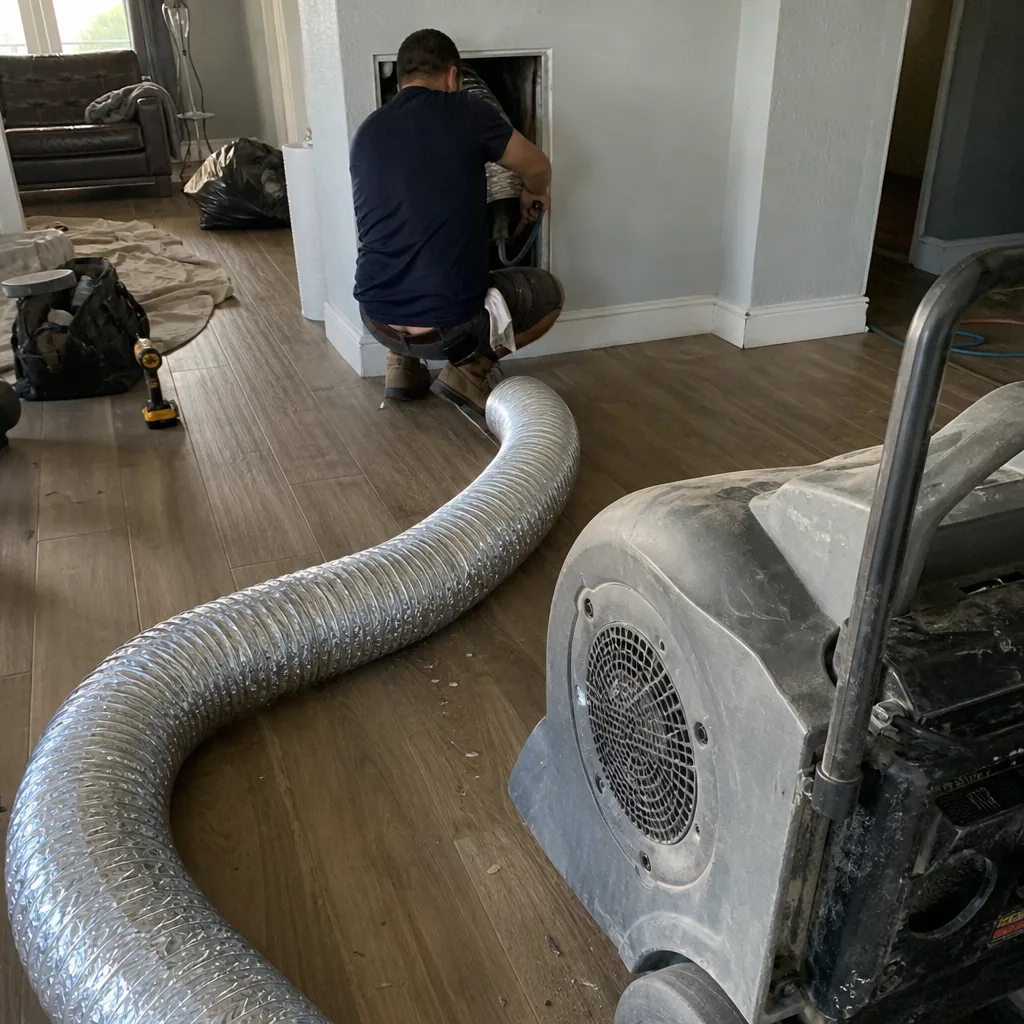 Before
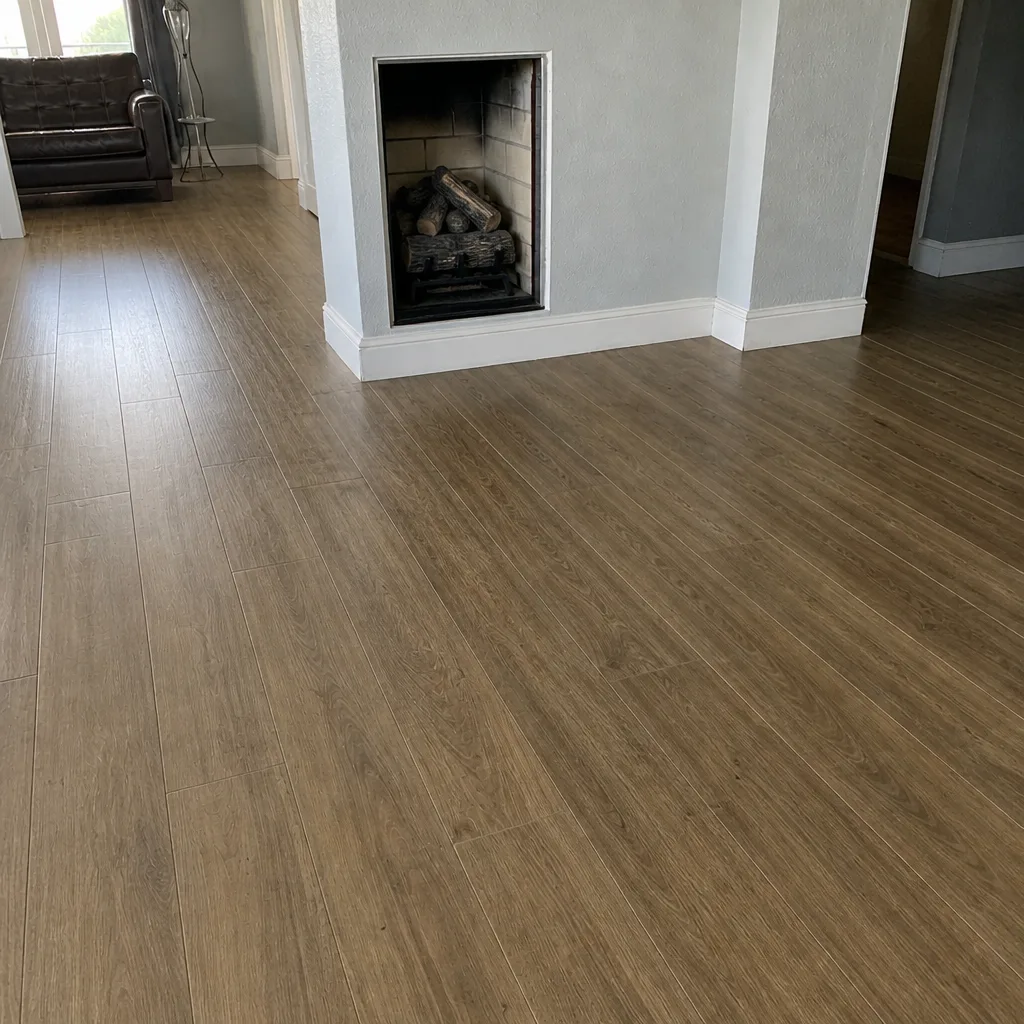 After
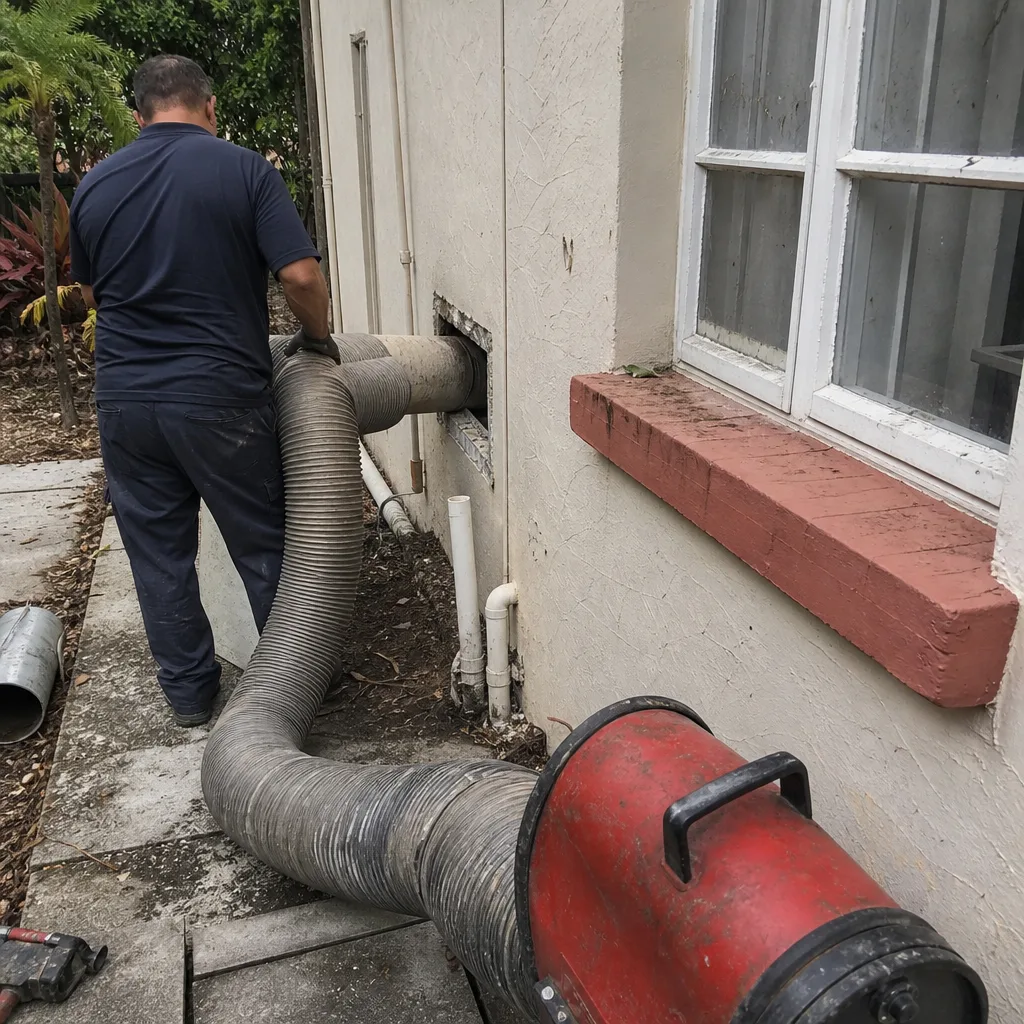 Before
 After
 Before
 After
Common Mistakes to Avoid
These are the pitfalls we see most often when homeowners approach duct cleaning themselves or try to evaluate a professional offer.
- Cleaning the visible part only and calling it done. Washing register faces and changing filters is worthwhile housekeeping but has nothing to do with the inside of the duct system. If those are the only tasks done, no duct cleaning has happened.
- Running a brush down a flex duct without extraction running. This is the classic humidity mistake in a Boca Raton home. Agitation inside a sealed system with no capture pulls whatever releases into the room or settles it into another branch.
- Pushing a spinning brush past the point of resistance. Flex duct has a thin inner liner. A caught brush twists or tears it, and the fix becomes duct repair, not cleaning. If a brush starts binding, the honest answer is to stop.
- Skipping the dryer vent because “it’s just lint.” Accumulated lint near the dryer heat source is a fire risk. A short straight run is a reasonable DIY job; anything with bends or vertical routing should go to a professional.
- Ignoring a musty smell after cleaning. If odor comes back after the vents have been cleaned, the source is inside the system. That’s a case for professional inspection, and possibly duct repair, not another round of DIY.
- Buying the coupon price without a written scope. A low headline number with no clear scope often becomes a different invoice once the technician is on site. Ask for one flat price per system, in writing, before work begins.
- Skipping filtration equipment. If your home has a Honeywell or Aprilaire filter housing on the return, that equipment needs service too. Cleaning the ducts without addressing the filter can leave the system half-covered.
When to Call a Professional
Call a professional when the problem is inside the duct system, when the humidity is part of the picture, when duct damage is suspected, or when the dryer vent run isn’t a short straight reach. Those are the four situations where a professional cleaning does work homeowner tools cannot.
Ashton Air Duct Cleaning offers free estimates in Boca Raton – call (888) 894-0255. We use professional-grade Rotobrush and Nikro systems, we offer duct repair alongside cleaning, and dryer vent cleaning is part of the core service, not an add-on. If you’ve been quoted a coupon price somewhere else and it doesn’t come with a written scope, ask what’s included. We’ll show you exactly what the estimate covers and give you one flat price per system, agreed before work starts. Call (888) 894-0255. We answer 24/7. Fast dispatch from 7am to 7pm, Sunday through Friday.
Frequently Asked Questions
Air duct cleaning in Boca Raton typically costs between $300 and $700 for a standard whole-home system, with larger homes or systems requiring duct repair often landing between $500 and $1,200. The exact number depends on the number of branches, the condition of the ducts, and whether repair work is included. Beware of teaser offers well below that range; they usually become much larger invoices once the technician is on site. Call (888) 894-0255 for an exact quote – estimates are free.
Cheap quotes usually reflect a very narrow scope or a bait-and-switch model, not a better deal. A low figure often covers clearing the plenum only, or one trunk line, or a surface pass with no agitation inside the branches. Once the technician arrives, the price grows. The protection against this is a written estimate that names the scope: how many branches, whether the air handler is included, and whether repair work is quoted separately. One flat price per system agreed before work starts is the standard to ask for. Call (888) 894-0255 for an exact quote – estimates are free.
Ask for before-and-after photos of your own ducts, not stock images. A professional cleaning should include visual documentation of the inside of the system before and after the work. Ask the technician to show you what was pulled from the ducts and where. If your home has a Honeywell or Aprilaire filter housing, they should also confirm the filtration side was inspected. Call (888) 894-0255 for an exact quote – estimates are free.
For most Boca Raton homes, professional duct cleaning every three to five years is a reasonable interval, with dryer vent cleaning on a separate schedule – typically annually for households that run the dryer often. Homes with pets, recent renovation, or a household member with allergies or respiratory sensitivity may benefit from more frequent service. The right answer depends on what’s actually in the system, which is why a professional inspection is worth doing before scheduling recurring work. Call (888) 894-0255 for an exact quote – estimates are free.
You can clean register faces, replace return filters, and clear a short straight dryer vent run yourself. You can’t clean the inside of a duct system with a shop vac or brush kit because consumer equipment can agitate debris but cannot hold the entire system under negative pressure while extracting. In a humid climate, agitating debris without proper extraction puts dust and spores back into the living space. Call (888) 894-0255 for an exact quote – estimates are free.
It can. The combination of warm, humid air and organic dust in a duct system creates conditions that support mold growth in some homes. Disturbing settled debris with a brush while extraction can’t keep up releases particulate into the air stream. That doesn’t mean every DIY attempt causes a problem, but it does mean the risk profile in Boca Raton is higher than in a dry climate. If you’ve noticed a musty smell or a return of dust after a DIY attempt, that’s the point to call in professional equipment and possibly duct repair. Call (888) 894-0255 for an exact quote – estimates are free.
The Bottom Line
DIY duct cleaning isn’t a matter of skill. It’s a matter of equipment capability. Consumer tools handle register faces, filters, and short straight dryer vents well, and there’s no reason to pay someone for those. The interior of the duct system – where debris accumulates, where humid air creates moisture issues, where a leaking joint bleeds conditioned air – needs negative-pressure equipment and an inspection that only comes with a professional visit. If your home has visible debris at multiple registers, a musty smell, a recent renovation, or a home purchase with unknown service history, the ROI on professional cleaning is straightforward. Add duct repair to the list when the system shows damage, and treat the dryer vent as a fire-safety service rather than an afterthought.
To schedule a free estimate in Boca Raton, call (888) 894-0255. We answer 24/7. Fast dispatch from 7am to 7pm, Sunday through Friday. Ashton Air Duct Cleaning handles cleaning, dryer vent work, and duct repair with professional-grade equipment, so the whole system gets serviced in one visit rather than handed off between contractors.
Written by the team at Ashton Air Duct Cleaning.